Make Historic Hamilton Fireplaces Safe and Stunning
Restoring or adding a fireplace in a historic Hamilton home is about more than looks. You want a cozy focal point that fits the age and character of the house, but you also need it to work safely every time you light it. Old chimneys, shifting brick, and past repairs can all affect how well a fireplace vents and how long it will last.
Choosing the right installer matters even more in older homes. The walls, floors, and chimneys were built in a different era, with different codes and different materials. A fireplace that seems fine at first glance could hide serious issues behind the plaster or brick. As a local chimney and fireplace company serving Hamilton and the greater Cincinnati area, we see these details every day and know how to bring old fireplaces up to modern standards without losing their charm.
Understanding Hamilton's Historic Homes and Fireplaces
Hamilton has a rich mix of housing styles, and each era brings its own fireplace challenges. Many homes date back to Victorian and early 20th-century construction, with tall masonry chimneys and ornate mantels. Others are mid-century homes with simpler, lower-profile fireplaces that were often updated over time.
Common issues we see in older Hamilton-area homes include:
- Unlined or partially lined chimneys that allow heat and smoke into the brick
- Cracked, spalling, or missing mortar joints inside the flue and on the chimney exterior
- Hearths that are too small or too shallow for current clearance rules
- Old coal or oil-burning fireplaces that were "converted" with quick fixes or DIY work
In many historic houses, the fireplace was altered several times as heating systems changed. A wood-burning box might have had a gas line added, then later an insert placed inside. Each change can leave behind hidden gaps, weak spots, or vents that are no longer safe. That is why a true structural assessment, both inside and outside the chimney, matters more than a new coat of paint on the mantel.
Modern fire and building codes are written to protect your home from smoke damage, carbon monoxide, and chimney fires. Older fireplaces rarely meet those rules without some level of upgrade. A proper inspection can reveal what needs to be repaired or rebuilt so that any new unit you install is supported, vented, and safe to use.
What Sets Great Fireplace Installers Near Hamilton Apart
Not every contractor is a good choice for a historic Hamilton fireplace. You want someone who understands both how old chimneys were built and how modern systems are supposed to perform. That blend of old and new knowledge is what helps keep your project on track and your family safe.
Key things to look for when comparing fireplace installers near Hamilton include:
- Proper licensing and insurance for chimney and fireplace work
- Formal training with gas, wood, and electric systems
- Experience working in homes of similar age, layout, and style
- Clear, detailed written estimates that explain the work step by step
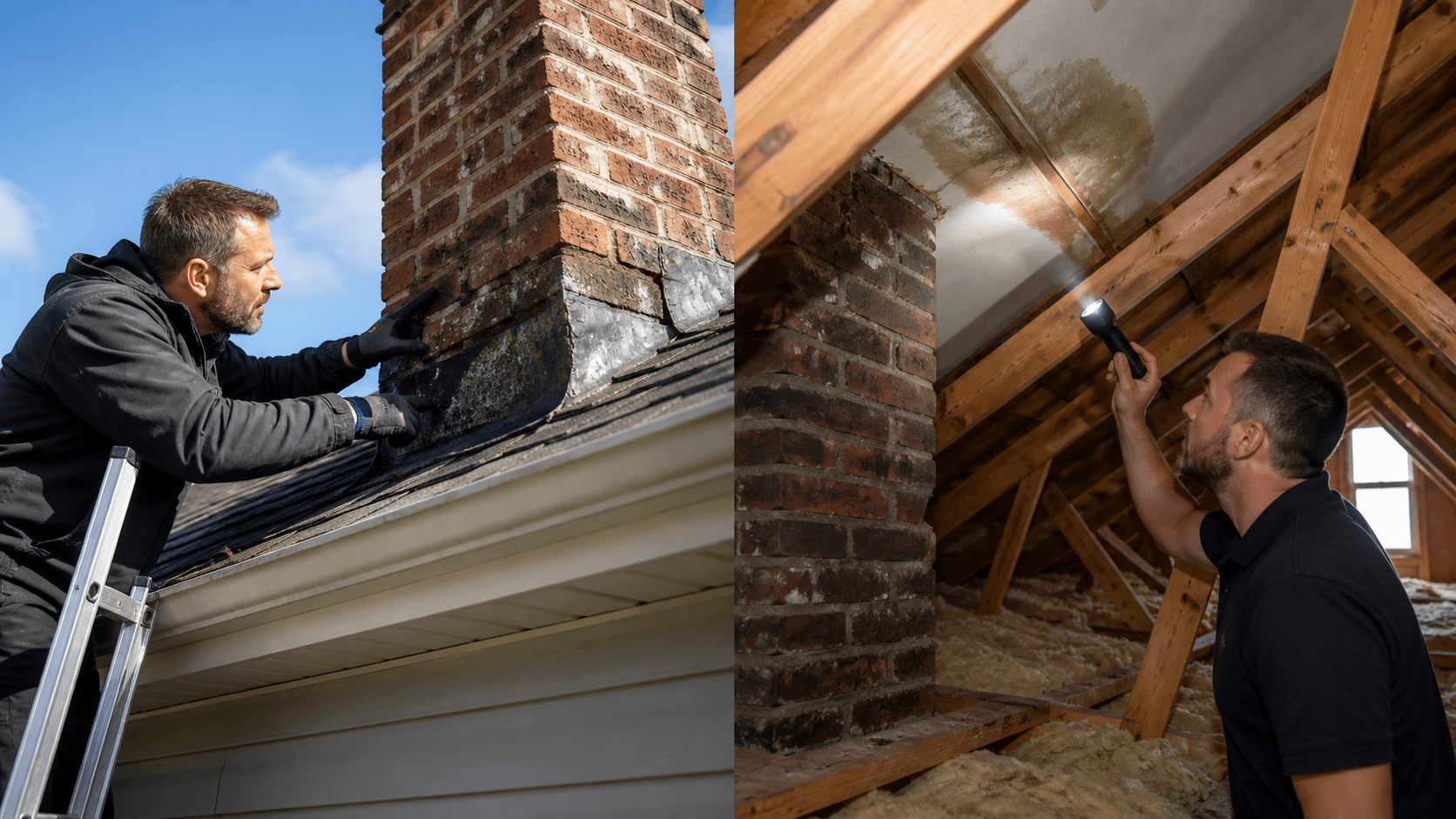
A reputable installer will not rush straight to installing a new unit. First, they will perform an in-depth inspection of the firebox, smoke chamber, flue, and chimney crown. They will look at the roofline, attic, and surrounding framing to check clearances and signs of past smoke or water damage. Then they will walk you through options that fit your fireplace opening, your fuel choice, and your long-term goals for the room.
Good communication is just as important as good technical work. When an installer takes time to explain what they see, why it matters, and how they plan to fix it, you can make informed decisions that respect your home's history and your budget.
Balancing Charm, Efficiency, and Safety in Old Homes
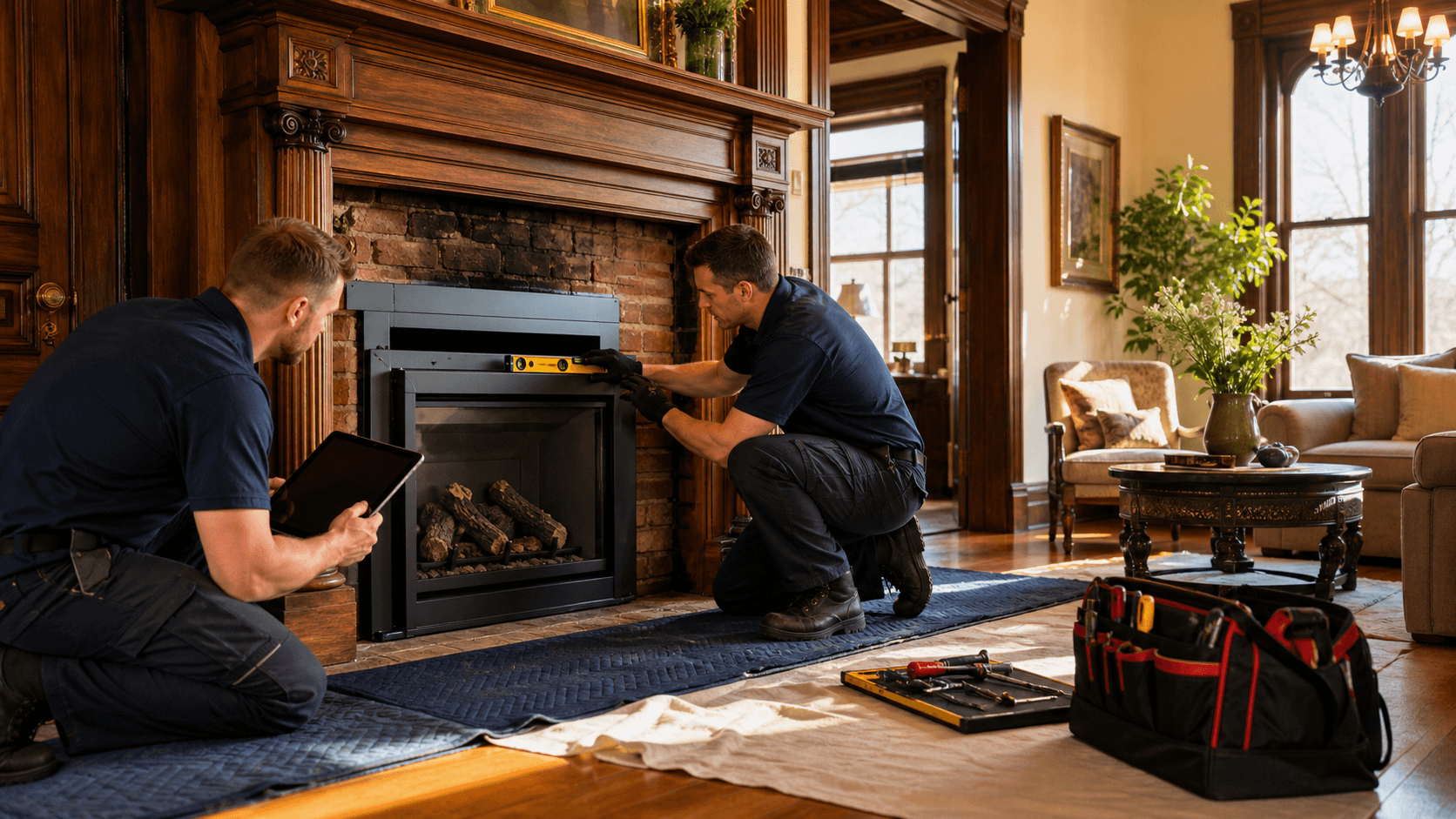
One of the big questions in a historic home is how to keep the original look while upgrading the inside of the fireplace. Many Hamilton homeowners want to keep the old brick surround, the carved wood mantel, or the vintage tile that gives the room its character. That is usually possible, as long as the structure behind it is sound and the clearances are safe.
Common upgrade paths for older masonry fireplaces include:
- Wood or gas inserts that slide into the existing opening and vent through a new liner
- New factory-built fireplaces framed into a wall, often used when the old chimney is beyond repair
- Gas log sets that keep an open look while adding convenience and cleaner burning
Each option has trade-offs. Inserts can improve efficiency and reduce heat loss up the chimney. Factory-built units can be easier to vent properly and control with tight clearances. Gas logs can keep a traditional open-fire feel, but they still need correct venting and combustion air.
In historic homes, venting is often the trickiest part. Old chimneys may be too large, too damaged, or lined with materials that no longer meet code. A careful installer will consider:
- Whether the existing flue size matches the new appliance
- How to add or repair liners without damaging original brick
- Proper clearances to wood framing, floors, and mantels
- How repairs will look from the street and inside the room
The goal is to keep the beauty of the original masonry while giving you a fireplace that lights cleanly, vents correctly, and does not put stress on an aging structure.
Seasonal Planning for Fireplace Projects in Hamilton
Fireplace and chimney projects take time, especially in older Hamilton homes that need extra care. Warmer months are often the best time to get inspections, masonry repairs, and installations done. There is less weather risk for outdoor work, and you are more likely to finish before everyone is trying to get ready for the first chilly nights.
In the greater Cincinnati area, Northern Kentucky, Southeast Indiana, and Dayton areas, weather can change quickly. Cold, wet conditions can slow mortar curing and limit when crews can safely be on the roof. Planning ahead helps avoid delays and last-minute stress.
A typical project timeline might look like this:
- Initial chimney and fireplace inspection
- Review of findings and design choices for the new unit
- Permits and approvals, when required by local codes
- Masonry repair, liner installation, and prep work
- Final installation, testing, and safety checks
Starting earlier gives you more time to think through style choices, fuel types, and how you want to use the fireplace day to day. By the time cooler weather returns, your system can be ready to use without rushing any safety steps.
Comparing Fireplace Installers Near Hamilton the Right Way
When you are ready to move forward, it helps to compare fireplace installers near Hamilton with a simple checklist. This keeps the focus on quality and long-term support, not just on who can start first.
Things to review as you compare companies:
- Local references from homeowners in older or historic houses
- Before-and-after photos of similar fireplace and chimney projects
- Proof of insurance and any required licensing
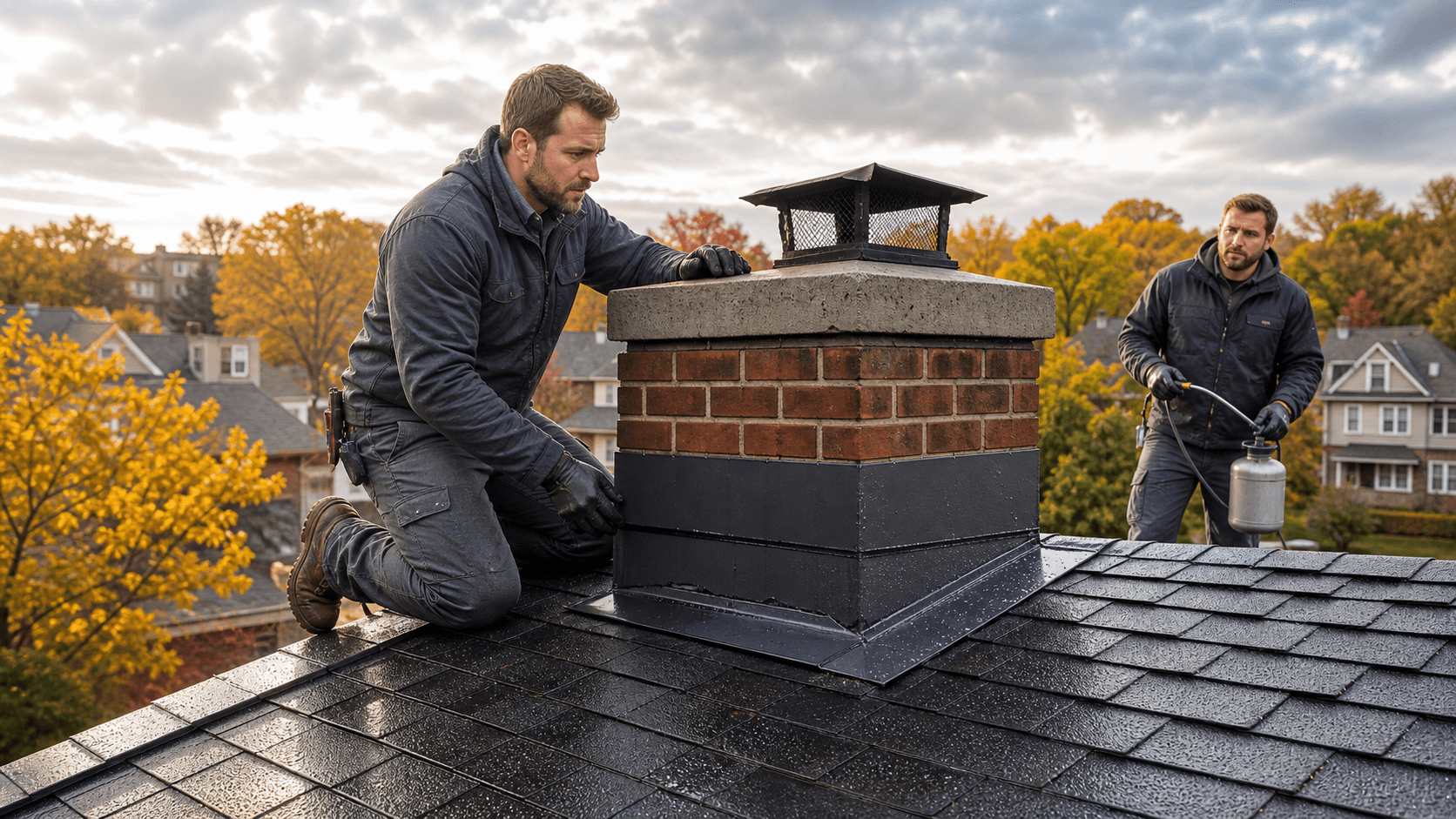
- Clear explanation of how they handle liners, venting, and leak repairs
- Written information on warranties for labor and materials
It also helps to ask direct questions, such as:
- How often do you work in homes built in the same era as mine?
- What is your process if you find hidden damage behind the fireplace?
- How do you address water entry and chimney leaks before installing new equipment?
- What kind of ongoing sweeping, inspection, and maintenance services do you provide?
Fireplaces and chimneys are not "one and done" systems. They need care year after year. Working with an installer who also handles sweeping, inspections, and leak repair means you have a partner who knows your system from the inside out and can help it perform safely over the long term.
Bring New Life to Your Hamilton Fireplace This Year
A historic Hamilton home deserves a fireplace that looks like it belongs there and works the way it should. With careful planning, a proper inspection, and an installer who understands old houses, you can enjoy a warm, efficient, and code-compliant fireplace without losing the details that make your home special.
At Chimney Works, we work on chimneys, fireplaces, and leak repairs across Hamilton and the surrounding metro areas, and we know how much these features mean to homeowners. When you choose experienced fireplace installers near Hamilton who respect both safety and style, you can feel confident every time you light a fire and settle in for a cozy evening.
Get Started With Your Project Today
If you are comparing options for fireplace installers near Hamilton, we can help you plan a solution that fits your home, budget, and style. At Chimney Works, we take the time to understand your space so your new fireplace looks great and works safely for years to come. Reach out with your questions or schedule a time to talk by using our contact page.