Restore Peace of Mind After a Fireplace Scare
Noticing something off with your fireplace can make your stomach drop. A thin crack in the firebox, a loose brick, a new brown stain around the opening, or a little bit of smoke curling into the room is enough to make anyone in Loveland feel uneasy, especially when cooler nights are on the way. Even when the issue looks small, it still sits in the back of your mind every time you think about starting a fire.
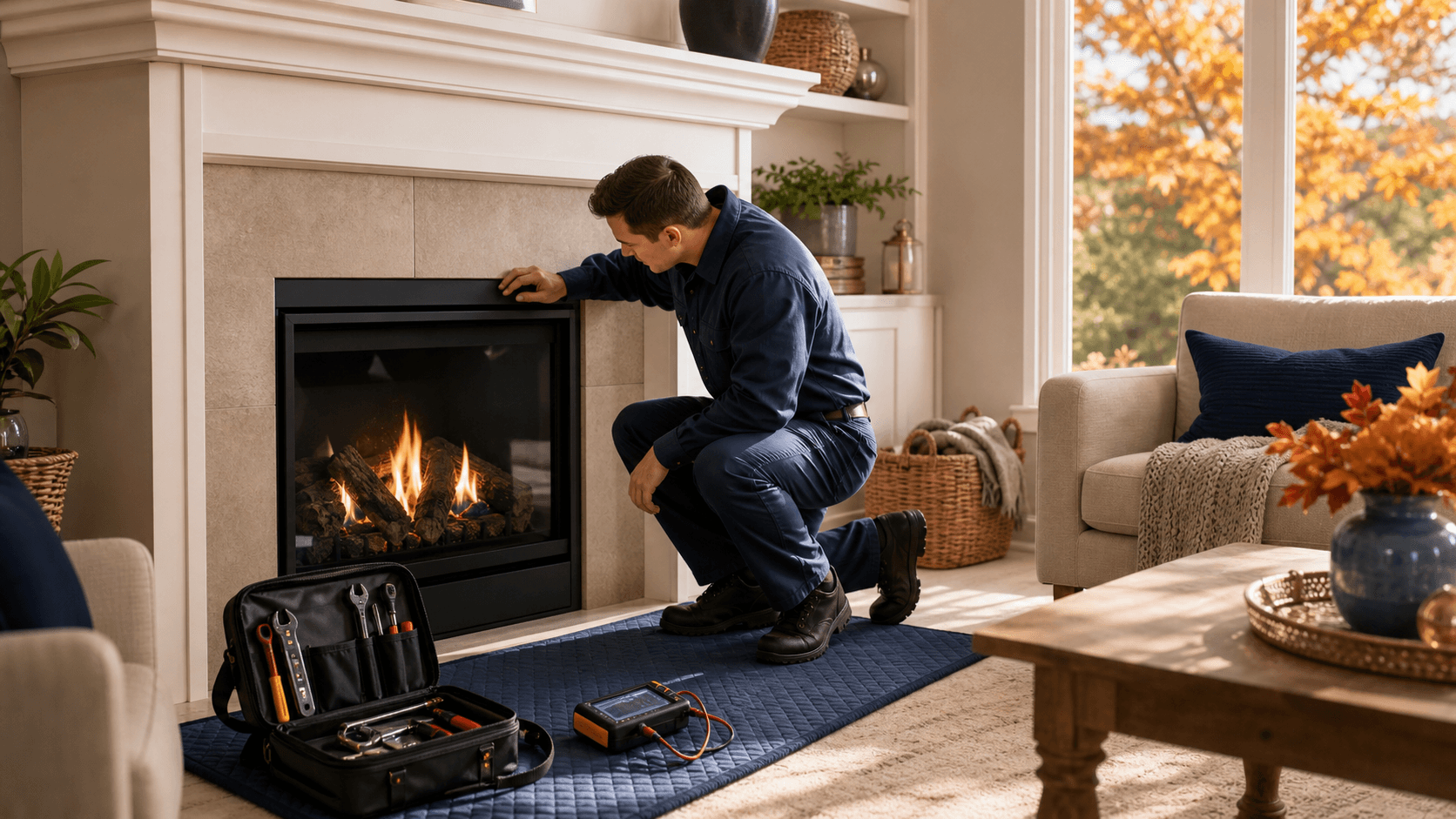
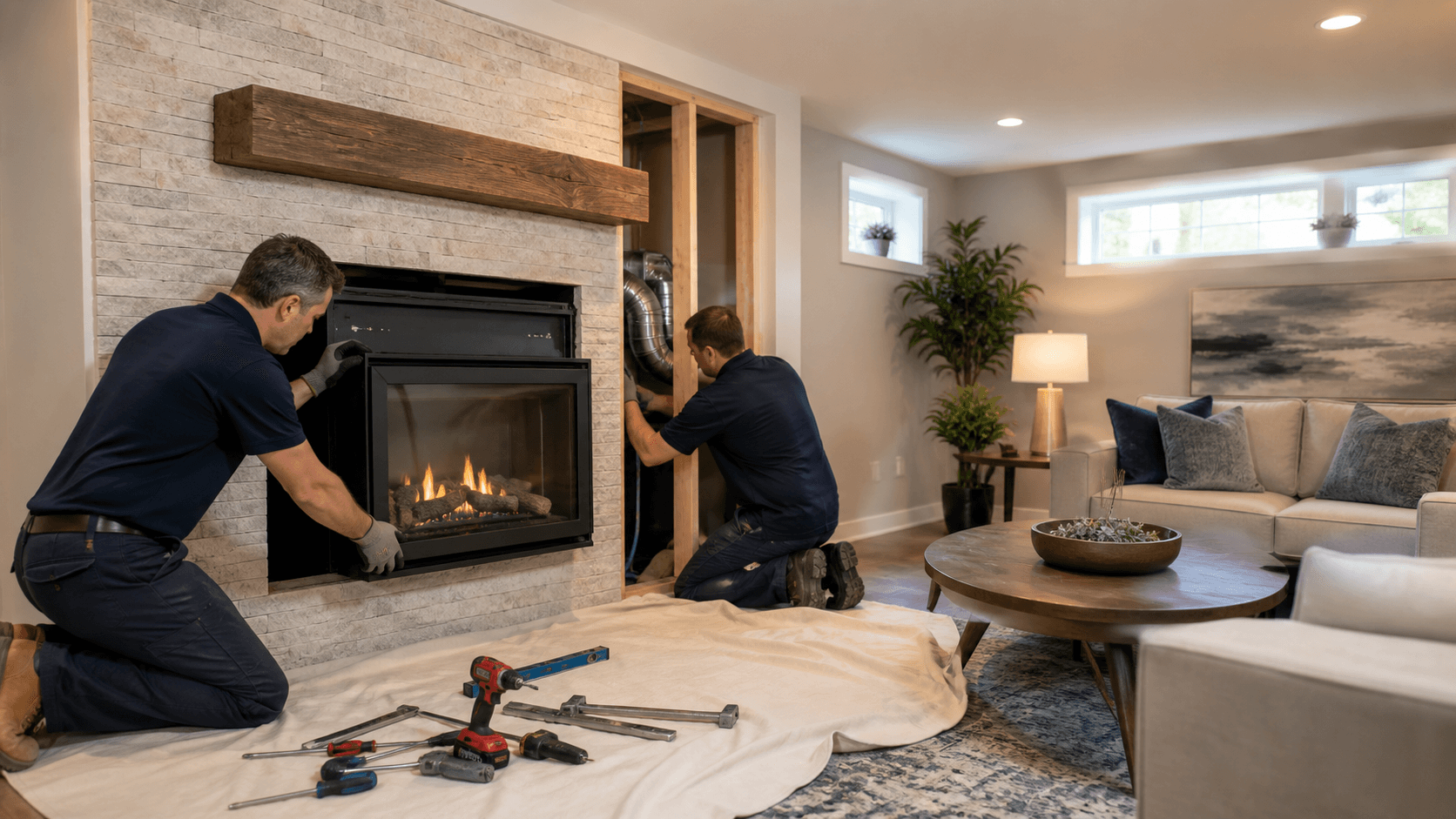
Taking care of minor problems early with professional fireplace repair in Loveland helps you stop worrying and start planning for cozy evenings again. Quick action keeps a small issue from growing, helps your fireplace run better, and supports a safer, more comfortable home. We are going to look at what really counts as "minor," which signs you should never ignore, why professional repair matters, and how a company like Chimney Works steps in before fall and winter heating season really kicks in.
What Counts as "Minor" Fireplace Damage, Really?
When we visit homes around Loveland, many people point out things they feel are "no big deal," such as:
- Small hairline cracks in the firebox or hearth
- One or two cracked or chipped firebricks
- Light water stains or faint discoloration near the firebox
- A damper that is sticky, squeaky, or harder to open and close
- Slight smoky smells even when the fireplace is not in use
Some of these are mostly cosmetic at first. A single chipped brick might not change how the fireplace burns right away. Light staining might look ugly but not feel serious. The tricky part is that the same signs can also be early warnings of deeper issues hiding out of sight.
For example, cracks that slowly spread can point to heat stress or settling. Odors can be a hint of creosote buildup, moisture in the chimney, or even animals that have nested in the flue. A damper that is suddenly harder to move could be rusting from small leaks higher up. From the room, it is hard to tell if you are dealing with a simple touch up or a problem that touches the chimney structure.
That is why a professional inspection is so helpful. We look at where the damage is, how big it is, what materials are affected, and what is happening higher in the system. That way, you know for sure whether something is truly minor or a sign of something more serious.
Hidden Risks of Ignoring Small Fireplace Issues
It can be tempting to shrug off a tiny crack or an odd smell and plan to deal with it "later." The problem is that fireplaces and chimneys work with high heat, smoke, and weather. Small flaws tend to grow when they are exposed to all three.
Here are some risks that come with waiting too long:
- Heat and embers can escape through gaps or loose mortar and reach nearby wood framing
- Moisture from summer storms and fall rain can sneak into hairline cracks and freeze, making them wider
- Metal parts like dampers and firebox components can rust once water gets in
- A slow leak can stain ceilings and walls near the chimney over time
There are also indoor air concerns. A little smoke that sometimes drifts into the room might not seem big at first. But that smoke can mean poor draft, partial blockage, or a flue that is not pulling like it should. In more serious cases, this kind of problem can increase the chance that carbon monoxide and other byproducts stay in your living space instead of going outside.
In our area, storms, temperature swings, and humidity all put extra stress on chimney materials. The sooner cracked mortar, damaged brick, or early leaks are handled, the less chance they have to quietly damage the chimney from the inside out.
Why Professional Fireplace Repair in Loveland Matters
When something looks small, people often think about a quick patch from the hardware store. The trouble is that many common products are not made for the high heat, smoke, and moisture that fireplaces and chimneys deal with all the time. A repair might stick for a short while, then fail right when you need the fireplace most.
Professional fireplace repair in Loveland offers a different approach. Trained technicians use materials that are designed for:
- High temperatures inside the firebox and flue
- Constant heating and cooling cycles
- Outdoor conditions at the top of the chimney
We also bring a trained eye to the whole system. When we check a "small" crack, we also look at the flue, chimney crown, flashing at the roofline, and the rest of the firebox. That helps catch hidden problems like early flue damage, crown cracks, or small flashing gaps that can turn into larger leaks.
Local experience matters too. Older homes in the greater Cincinnati and Loveland area may have chimneys built with different methods and materials than newer houses. Weather patterns here, from long rainy spells to freeze-thaw cycles, affect chimneys in specific ways. Knowing those patterns helps us suggest repairs that hold up over time instead of just masking the surface.
How Chimney Works Evaluates and Repairs Minor Damage
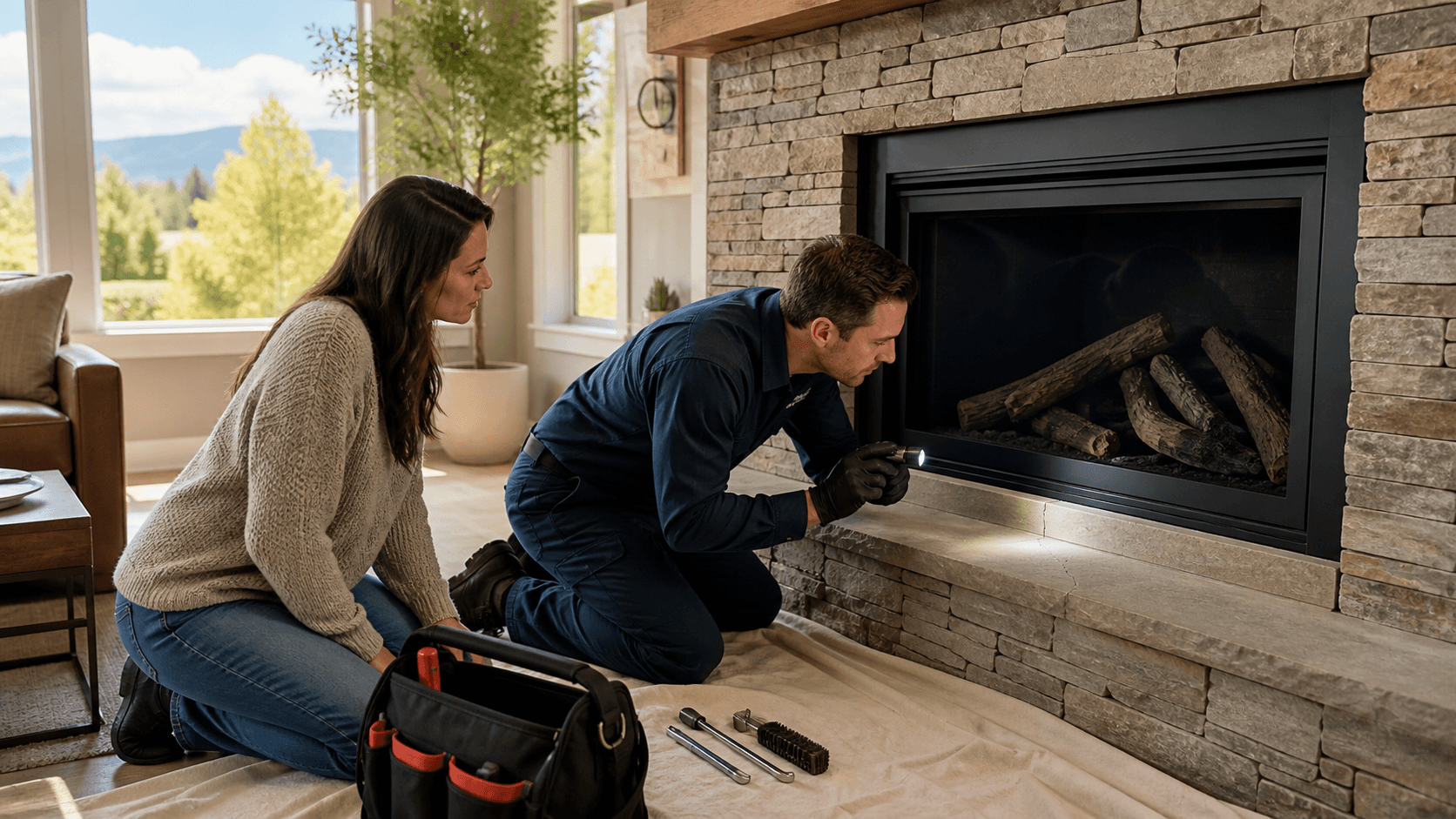
When you contact Chimney Works about a concern, our goal is to give you clear answers so you can feel confident using your fireplace again. A typical visit starts with a friendly conversation about what you noticed and when it started. From there, we perform a visual inspection of the firebox and surrounding area, then move up to the chimney and roofline as needed.
Often, we will:
- Take photos of cracks, stains, or gaps so you can see what we see
- Recommend a video inspection of the flue interior when appropriate
- Explain what is damaged in plain language and how it affects safety or performance
For minor issues, common repair solutions include:
- Tuckpointing or repointing loose or missing mortar joints
- Replacing cracked or spalling firebrick in the firebox
- Sealing small cracks in the chimney crown before they widen
- Addressing light flashing leaks that are starting to stain nearby ceilings or walls
- Adjusting or repairing a sticky or rusted damper
Safety and transparency guide every step. We document our findings, follow current codes and standards, and let you know if additional services like chimney sweeping, installing a chimney cap, or adding waterproofing could help prevent future problems. The goal is not just to fix what you can see, but to support a safer, longer-lasting system overall.
Timing Fireplace Repair Before Fall and Winter
Many homeowners in Loveland start thinking about the fireplace when they feel that first cool breeze. By that time, repair schedules can already be filling up. Taking care of small issues in late summer or early fall gives you more flexibility, and it also gives us more time to address anything we find before you want to light regular fires.
Weather plays a big part too. In our region, fall rains can turn a tiny chimney leak into a much bigger headache. Water that drips through a small crack all season long can lead to new stains, damaged drywall, or weakened masonry by the time winter is over.
It often makes sense to plan ahead and combine services. Many homeowners choose to:
- Have an annual chimney sweeping and inspection done in the same visit
- Take care of minor repairs before they stop you from using the fireplace later
- Talk through any upgrades needed for comfort, like better draft or smoke control
By handling these steps before the cold really settles in, you can enjoy your fireplace with more confidence and fewer surprises, all season long.
Get Started With Your Project Today
If you have noticed smoke issues, damaged masonry, or draft problems, we are ready to help restore your fireplace to safe, reliable operation. At Chimney Works SEO, our technicians provide professional fireplace repair in Loveland tailored to your home's specific needs. Reach out today to discuss your concerns, schedule an inspection, or request an estimate, and we will walk you through the next steps. You can also contact us with any questions about repair options or timing.