Enjoy a Cleaner, Safer Pellet Stove This Winter
A pellet stove is a steady, budget-friendly heat source for many homes in Lebanon, OH. When winter settles in and the wind picks up across Warren County, those little pellets keep the house warm and cozy without a lot of fuss. But even when the flame looks good, things can be quietly building up in the vent system.
Ash, fine soot, and light creosote slowly collect in the pipe and chimney parts every time the stove runs. Over time, that buildup can lead to weak performance, smoky smells, and real safety concerns if it is not cleaned out. Small venting issues can also hide until the first cold night, when the stove struggles right when you need it most.
We are going to walk through how pellet stove venting works, why it gets dirty, warning signs you should not ignore, and why summer is the perfect time to get your system checked. We will also share a simple off-season checklist for pellet stove owners in Lebanon and explain how professional cleaning compares to DIY efforts, so your system is ready to go when you press that start button in fall.
How Pellet Stove Chimneys Work and Why They Get Dirty
Pellet stoves are different from traditional wood fireplaces. Instead of relying only on natural draft, they use an exhaust fan to push gases out through a smaller flue system. The fire is more controlled and burns pellets in a burn pot, which means lower visible smoke out the top. But it also means a lot of very fine fly ash that can travel into the venting.
A typical pellet stove vent system can include:
- Vent pipe that carries exhaust from the stove to the outside
- A wall thimble where the pipe passes safely through the wall
- Elbows and horizontal runs to get around framing and reach the exterior
- A termination cap or connection to a chimney liner that releases gases outdoors
Buildup tends to collect in a few key spots:
- Elbows and bends where air slows down
- Long horizontal runs where ash can settle
- The termination cap, where outside air meets warm exhaust
What builds up is mostly ash and soot, with a light layer of creosote in some systems. Low-quality pellets, damp fuel, or running the stove on low for long periods can cause more residue. If the pellets do not burn completely, more material sticks to the vent walls.
In Lebanon, we deal with temperature swings, humidity, and freeze-thaw cycles. On cold, damp days, exhaust can cool off faster in the pipe, which lets more residue cling to the metal. When the vent cools down between burn cycles, moisture in the air can also mix with ash, making a sticky layer that is harder to remove.
Warning Signs Your Pellet Stove Vent Needs Cleaning
Most pellet stoves will keep running long after the vent needs attention, just not very well. Paying attention to early warning signs can keep a small issue from turning into a shutdown in the middle of a cold snap.
Performance red flags include:
- The stove is harder to start or takes longer to get going
- Frequent shutdowns even though you are using good pellets
- A lazy, dark, or small flame that does not look strong
- Reduced heat output even when the feed rate looks normal
You might also notice changes in comfort and safety, such as:
- Stronger exhaust or smoky odors in the room
- Smoke or fumes when you open the stove door
- Blackened or hazy glass that gets dirty faster than usual
- Soot streaks or dark stains around the outside vent cap
Many modern pellet stoves are smart enough to warn you. You may see:
- Error codes on the control panel
- A vacuum switch tripping because air flow is restricted
- "Clean vent" or similar service messages popping up often
If you live in or near Lebanon and spot any of these signs, it is time to have the vent system cleaned and inspected by someone who works with pellet stoves regularly. Pellet vents have different needs than larger wood stove chimneys, and they can plug more quickly if ignored.
Summer Chimney Cleaning and Maintenance for Pellet Stoves
Late spring and summer are excellent times for chimney cleaning in Lebanon, OH. The weather is usually dry, snow and ice are not a problem, and there is plenty of time to handle any repairs before you need steady heat again. Schedules also tend to be more flexible compared to the busy fall season.
Letting ash and residue sit in the stove and vent all summer can cause problems:
- Ash can absorb moisture from humid air and turn corrosive
- Metal parts inside the vent or stove can start to rust
- Masonry around the vent can stain from damp soot
- Odors can build up and spread when the house is closed up with AC running
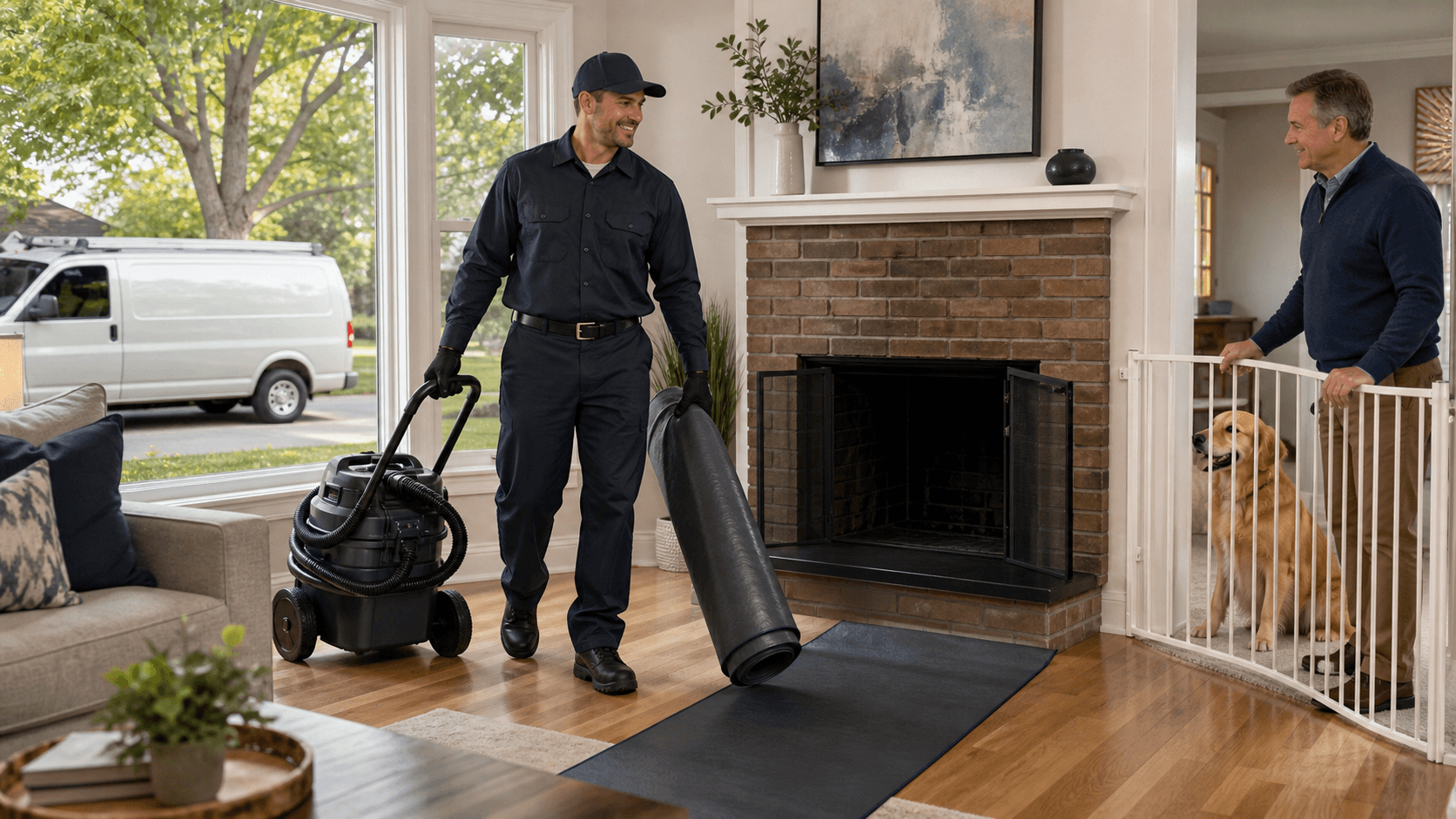
A professional summer cleaning and inspection for a pellet system often includes:
- Brushing and vacuuming the vent pipe from stove to termination
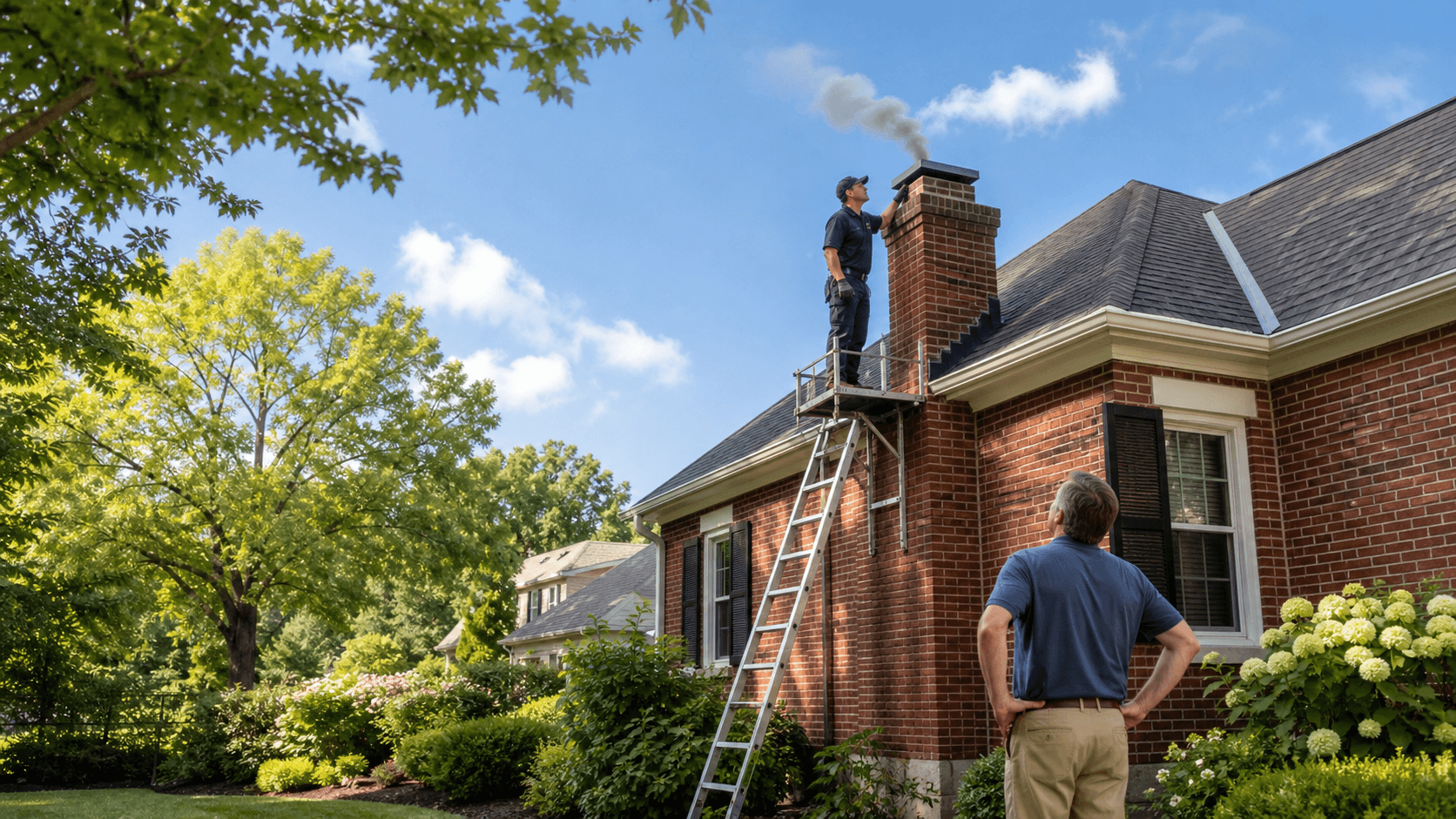
- Cleaning the cap or chimney connection and checking for blockages
- Checking draft and air flow to see if the exhaust fan is doing its job
- Inspecting gaskets, door seals, and joints in the vent for leaks
- Confirming safe clearances between vent parts and nearby combustibles
Having this work done during the off-season gives you peace of mind. When that first cool night shows up, you can simply load the hopper, press start, and enjoy steady heat without worrying about what is hiding in the vent.
Summer Maintenance Checklist and Professional vs. DIY Cleaning
There are simple things many homeowners can safely handle between professional visits, especially inside the stove itself. Here is a basic summer checklist for pellet stove care.
Interior stove tasks:
- Empty and gently vacuum the ash pan with an ash-safe vacuum
- Clean the burn pot and make sure the air holes are open
- Wipe down the firebox walls so you can see any cracks or damage
- Look at door and glass gaskets for gaps, fraying, or hard spots
- Make sure blower intakes and room air grills are free of dust
Venting and exterior checks:
- Look along visible vent pipe for rust, peeling paint, or discoloration
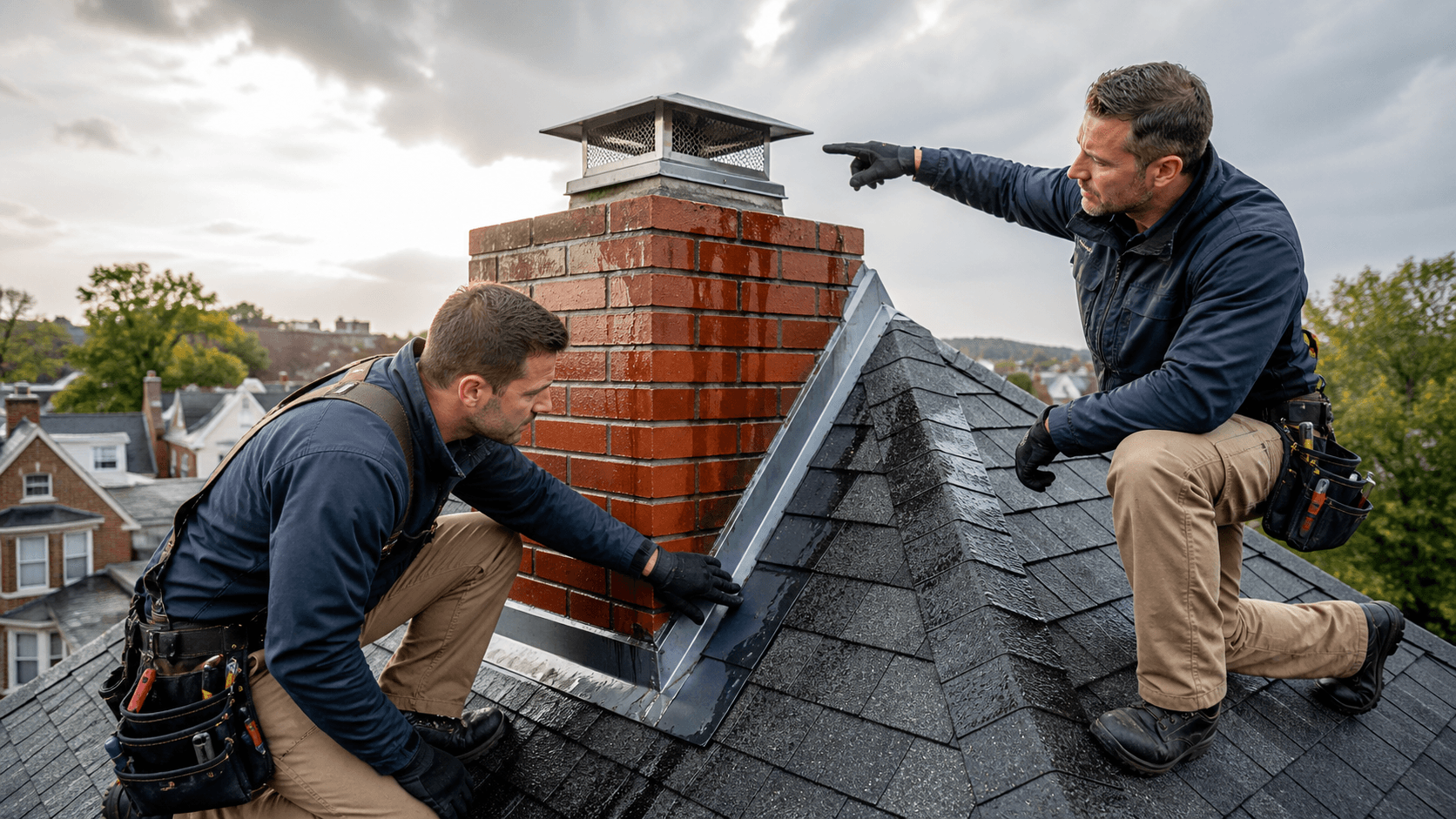
- Make sure the outside termination cap is firmly attached and clear of nests or debris
- Check the siding or masonry around the vent for dark streaks or stains that might point to leaks
Fuel and storage tips:
- Store pellets off the floor in a dry area away from damp concrete
- Get rid of any bags that got wet or feel swollen. They can cause clinkers and extra ash.
- Plan to buy quality pellets before the peak of heating season to avoid rush and limited choices
Even with careful upkeep, pellet stove vents are not a simple DIY project. Household vacuums are not built for fine ash and can blow dust back into the home. Basic brushes can push debris deeper into the vent or damage seams. It is also easy to miss hidden blockages, small corrosion spots, or draft issues that affect safety.
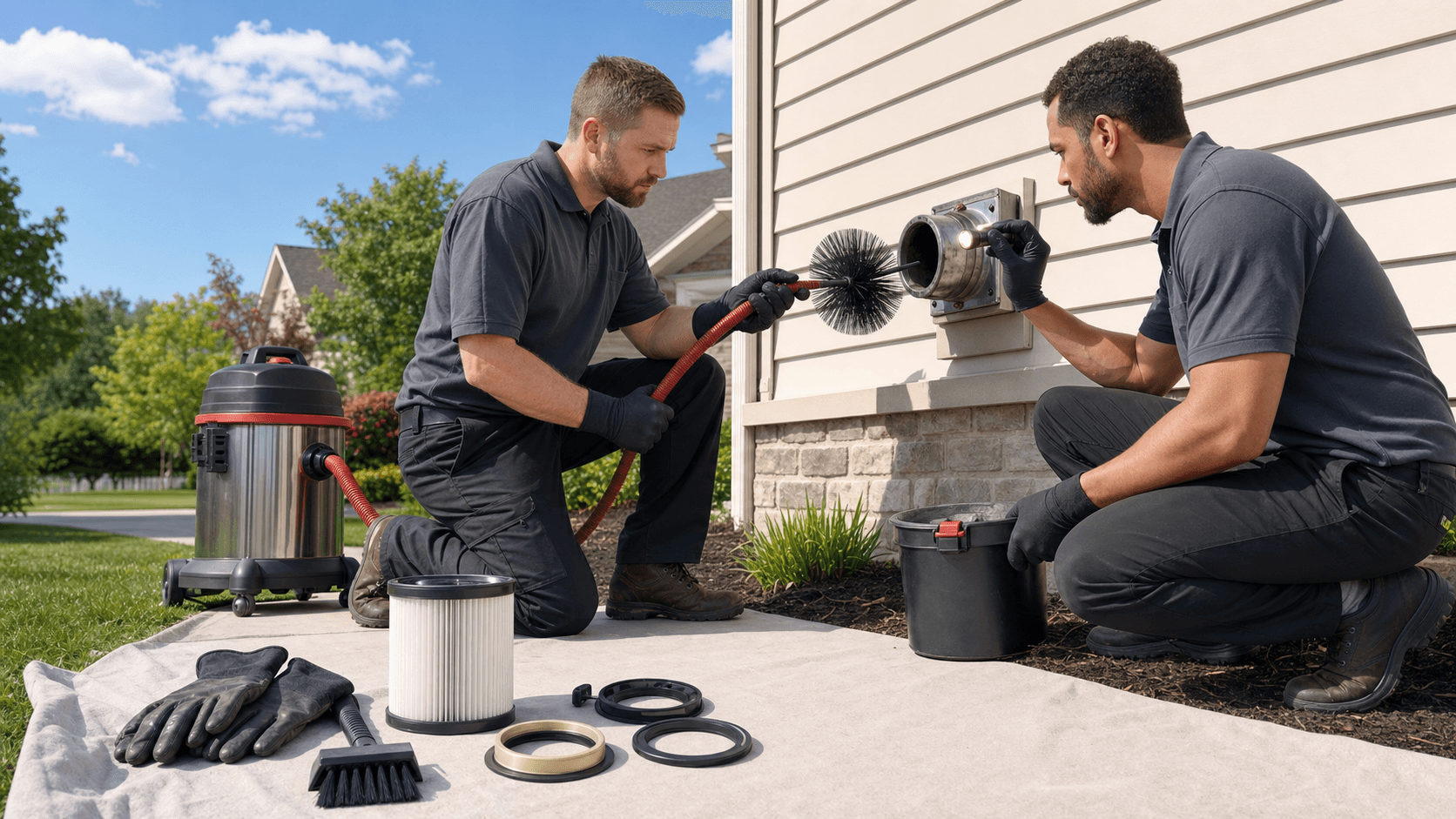
A professional sweep will use:
- Soot-rated vacuums with proper filters
- Vent brushes sized for pellet pipe and elbows
- Lighting and inspection tools to check the full path
They will also look at the entire system, including clearances around the vent, the termination setup outside, and the stove's combustion air path. Regular professional chimney cleaning in Lebanon, OH for pellet stoves, plus simple homeowner tasks like ash pan care and basic visual checks, gives the best mix of safety, strong performance, and long-term reliability.
Schedule Your Pellet Stove Cleaning Before Fall Arrives
When warm weather hits in Lebanon, it can feel strange to think about pellet stoves and chimneys. But that is actually the smartest time to get your system cleaned and inspected. You avoid the fall rush, have plenty of time to handle any needed repairs, and know your stove is ready for the very first cool evening.
At Chimney Works, we work with pellet stoves, vent systems, and fireplaces across Lebanon, Cincinnati, Northern Kentucky, Southeast Indiana, and the Dayton metro area. Our team is trained to deal with the fine ash and unique venting setups that come with pellet appliances. With regular care and smart off-season maintenance, your pellet stove can give you steady, efficient heat and a safer home for many winters to come.
Protect Your Home With Professional Chimney Care Today
If you are ready to prevent costly damage and keep your fireplace running safely, we are here to help at Chimney Works. Schedule your chimney cleaning in Lebanon, OH so our technicians can inspect, clean, and address any issues before they turn into major repairs. To request an appointment or ask questions about your specific chimney needs, simply contact us today.