Stop a Small Chimney Leak Before It Becomes a Disaster
A small chimney leak after a summer storm in the Cincinnati area can look harmless at first. Maybe you notice a tiny stain on the ceiling, or you catch a faint musty smell when the attic is warm. Then a few more storms roll through, the stain grows, the odor gets stronger, and by fall you are dealing with soft drywall and hidden mold.
Chimney leaks are sneaky because water rarely takes a straight path. It can slip past flashing, soak into brick, run along framing, and sit inside insulation before you ever see a drop inside your home. During humid weather, everything stays damp longer, which gives moisture more time to spread.
In this article, we will walk through how water moves from chimney flashing into your attic, into insulation, down into drywall, and finally into mold growth. We will talk about how fast each stage can happen and what signs to watch for before the damage spreads. We work with homes across Cincinnati, Northern Kentucky, Southeast Indiana, and the Dayton metro area, and we see this pattern over and over.
Catching a chimney leak early protects more than your comfort. It protects the structure of your home, the air your family breathes, and your budget. The sooner the leak is found, the simpler the repair and the better shape your fireplace will be in when you are ready to use it again.
How Cincinnati Weather Triggers Chimney Leaks
Summer weather in our region is hard on chimneys. Strong thunderstorms bring heavy, wind-driven rain that hits chimneys from the side. That water looks for any weak spot it can find. Hail can chip crowns and crack masonry, while long, soaking rains can work water into tiny gaps around flashing and brick joints.
Hot days and cooler nights also put chimneys and roofs under stress. As temperatures swing, materials expand and contract. Over time, that movement can:
- Open small gaps along flashing where the chimney meets the roof
- Widen hairline cracks in crowns and mortar joints
- Loosen sealants used during older repairs
- Let water slip under shingles or metal around the chimney
Certain parts of the chimney are especially likely to leak, such as:
- Flashing and counterflashing where chimney and roof meet
- Chimney caps that are missing or damaged
- Concrete crowns that are cracked or crumbling
- Masonry joints with aging or missing mortar
- Metal chase covers on factory-built chimneys that have rusted or bent
Many homes around Cincinnati, Northern Kentucky, Southeast Indiana, and Dayton have older roofs, steep pitches, and complex rooflines. Chimneys may sit in valleys or where roof sections meet, which makes water run toward them. Some homes also have a long history of patch repairs, and those quick fixes often break down first during summer storms. Taking care of chimney leak repair in late summer or early fall can stop problems before cold rains and early snow add even more moisture.
From Flashing to Attic: The Hidden Path of Water
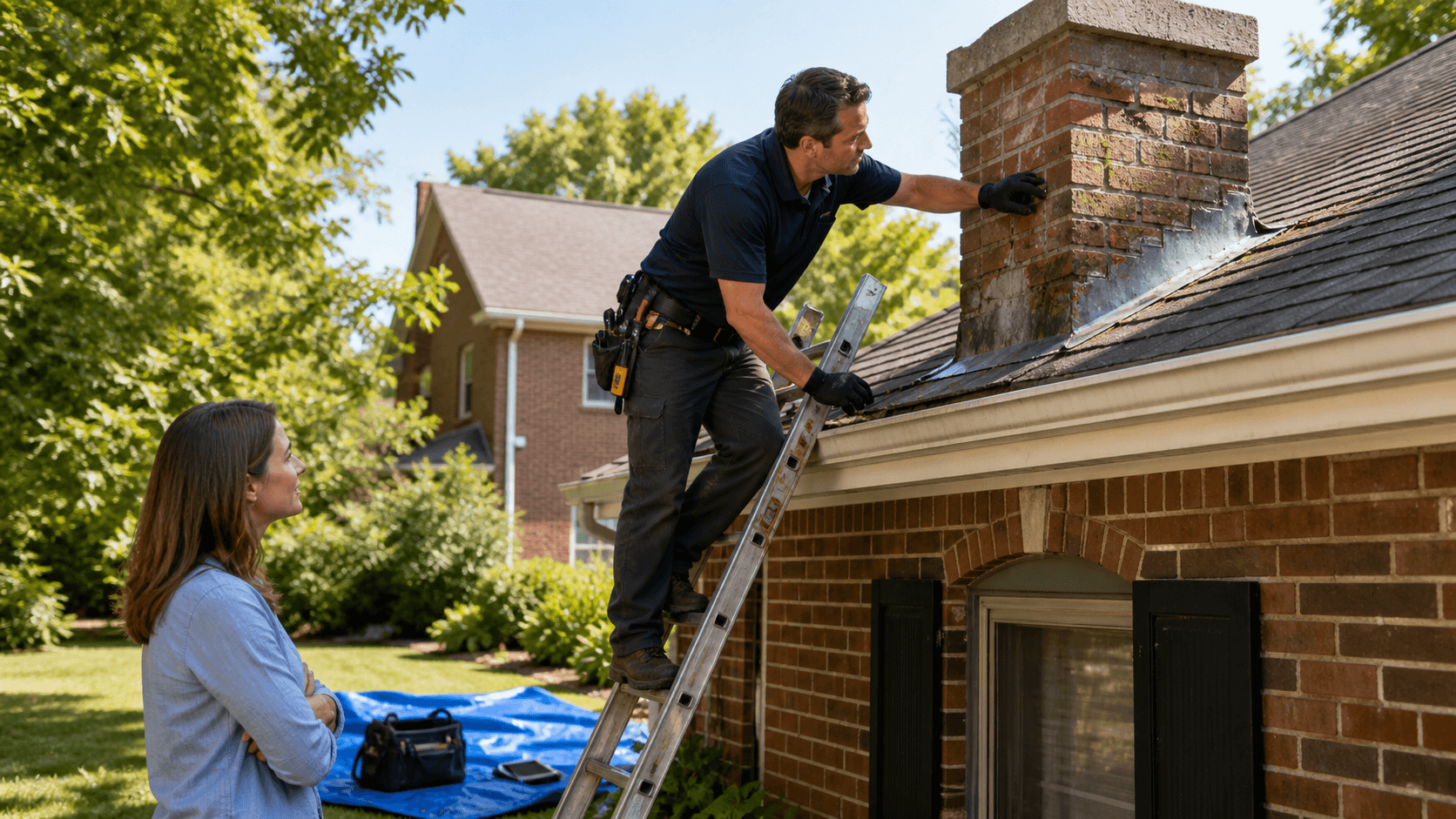
For most homes, the leak starts at the flashing. Flashing is meant to seal the gap between the chimney and the roof. When that flashing is rusted, nailed incorrectly, sealed with dried-out caulk, or installed without proper step and counterflashing, water finds its way in.
Water does not always drip straight down from the entry point. Instead, gravity and capillary action pull it along solid surfaces. Once water gets past the flashing, it can:
- Travel along the top of roof decking
- Run down rafters or chimney framing
- Follow nails, screws, or small gaps in wood joints
- Pool around low spots near the chimney base
This is why you might see a water stain several feet away from the chimney inside your home. The actual leak could be higher up the roof, but the water followed wood and fasteners before finally soaking through drywall.
The first couple of storms may only cause light damp spots in the attic. You might notice:
- Slightly darkened roof sheathing near the chimney
- Insulation that looks compressed or clumpy instead of fluffy
- Rust spots on metal plates, straps, or nails
- Faint water tracks on the sides of rafters or chimney framing
At this stage, water is already inside the structure, but it has not yet ruined finished ceilings or walls. A professional chimney inspection and chimney leak repair at this point can stop the damage while it is still limited.
When Attic Insulation and Drywall Start Taking on Water
Once leaks continue through several storms, attic insulation begins to suffer. Both fiberglass batts and blown-in insulation are meant to trap air. When they stay damp, they lose that ability.
Here is what happens:
- Fiberglass insulation loses its loft, so it no longer insulates well
- Cellulose insulation becomes heavy and clumpy, and can stay wet for a long time
- Damp insulation keeps nearby wood damp, which feeds mold and rot
- Odors may start to build up in the attic and drift into living spaces
As water keeps moving, it reaches the ceiling drywall below. Drywall is like a sponge. It absorbs moisture, spreads it out, and slowly shows signs on the visible side. You may see:
- Bubbling or peeling paint, especially near the chimney
- Yellow, tan, or brown stains that look like tide lines
- Soft spots or slight sagging around light fixtures or vents
- Hairline cracks that were not there before
This stage can show up within weeks to a few months of repeated summer storms, depending on how heavy the rain is and how big the leak has become. Secondary problems often follow, such as:
- Warped trim or baseboards near a chimney chase
- Swollen wood around access panels or stairwells
- Moisture near electrical boxes and recessed lighting, which raises safety concerns
Simply scraping, patching, and repainting the ceiling without fixing the leak will only hide the problem for a short time. The water will travel the same hidden path the next time it rains.
Mold Growth, Odors, and Long-Term Structural Damage
Warm, humid conditions in the Cincinnati area make mold very happy once building materials stay damp for more than a short period. Attics and wall cavities are dark and often poorly ventilated, which lets moisture hang in the air and on surfaces.
After a chimney leak has been active for a while, common signs of mold include:
- A musty or earthy odor in upstairs rooms or near the fireplace
- Allergy-like symptoms that seem worse after storms or in certain rooms
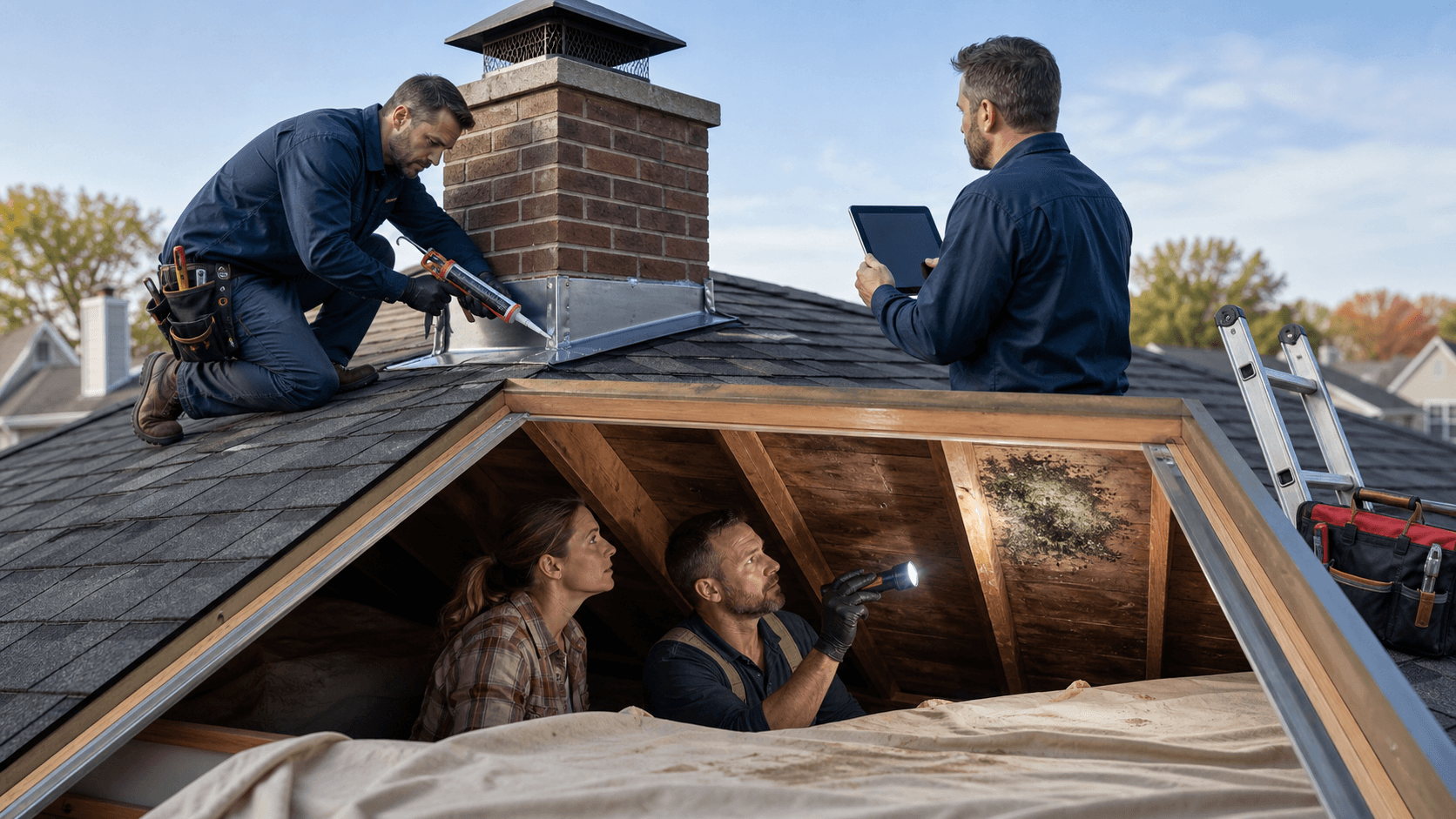
- Dark or fuzzy spots on attic sheathing, rafters, or the back of drywall
- Discoloration on insulation that has stayed wet too long
If leaks continue, structural damage can follow. Chronic moisture around the chimney can lead to:
- Roof decking that softens, warps, or starts to rot
- Rafters and ceiling joists that weaken over time
- Chimney masonry that flakes or crumbles as water freezes and thaws
- Wood-framed chases around prefab chimneys that decay from the inside out
At this point, the work needed to fix the home is far more involved. Mold remediation, structural repairs, insulation replacement, and new drywall all add up. Surfaces may need to be opened up so that all damaged material can be removed and rebuilt. A full-service chimney company can help trace the leak source, repair the chimney itself, and coordinate with other pros when larger repairs are needed.
Protect Your Home with Proactive Chimney Leak Repair
The best time to stop chimney leaks is before they reach your living space. Summer and early fall are good times for homeowners in the Cincinnati, Northern Kentucky, Southeast Indiana, and Dayton areas to look for early signs of trouble and get a professional check.
Simple checks you can do between storms include:
- Safely looking in the attic for dark spots, damp insulation, or musty odors
- Checking ceilings and upper walls near the chimney for new stains or bubbling paint
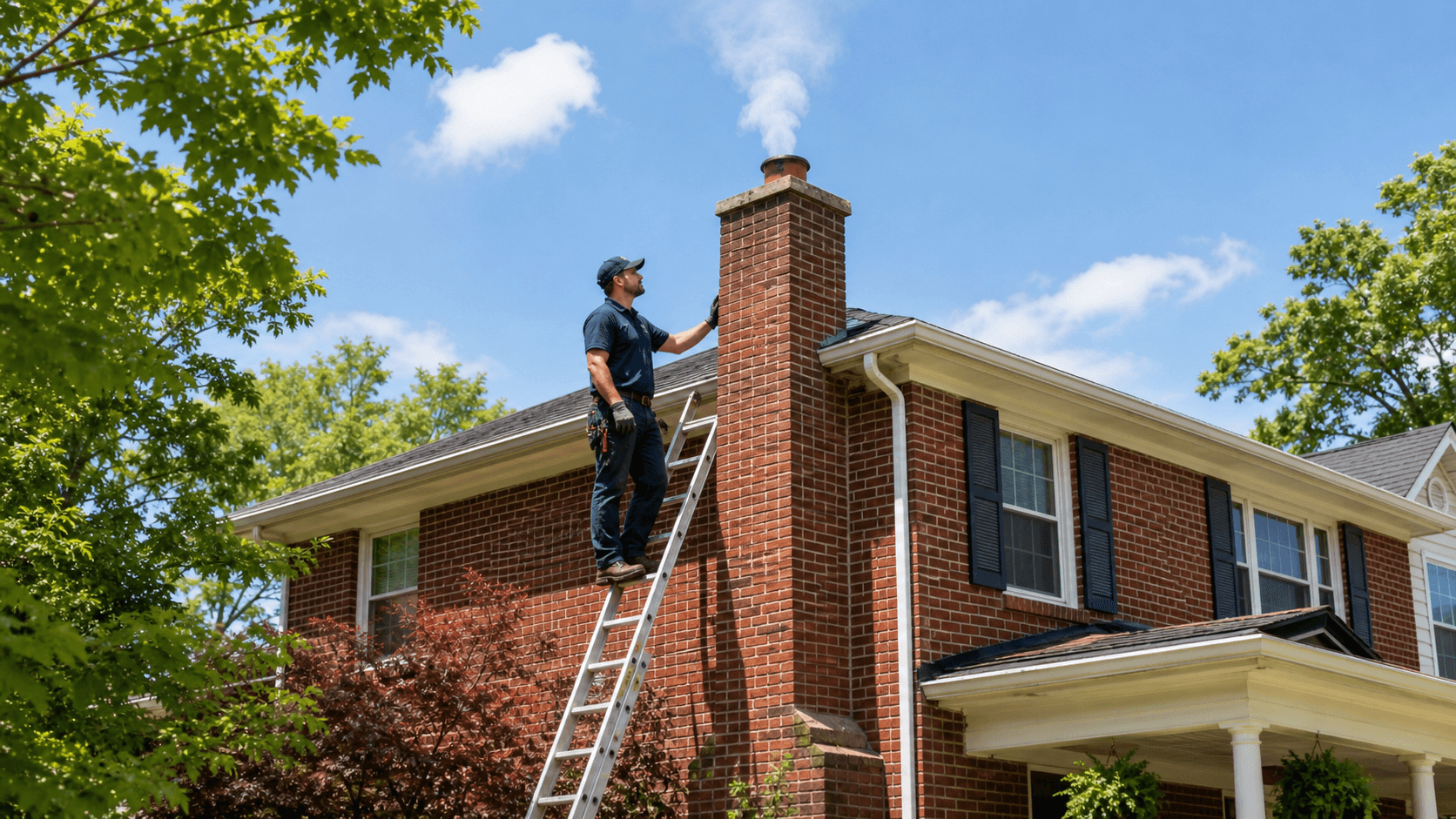
- Inspecting the outside of the chimney from the ground with binoculars for cracked crowns, missing caps, or visible gaps at the flashing
A professional evaluation by a company like Chimney Works typically includes a close look at:
- The full chimney structure, inside and out, as conditions allow
- Flashing, caps, crowns, masonry joints, and chase covers
- Signs of past or active water entry inside attic areas around the chimney
- A clear plan to repair the leak source so new water cannot enter
When chimney leak repair is handled promptly, you protect your insulation and drywall, reduce the chance of mold growth, and help prevent long-term damage to your roof and framing. Your chimney and fireplace are more likely to be safe, dry, and ready when the first cool evenings arrive and you want to enjoy a fire again.
Protect Your Home With Expert Chimney Leak Solutions
If you are seeing water stains, damp odors, or crumbling brick around your fireplace, our team at Chimney Works is ready to help before the damage gets worse. We specialize in precise chimney leak repair that targets the source of the problem and helps protect your home from future issues. Reach out today to schedule an inspection so we can explain your options clearly and provide a detailed estimate. If you prefer, you can also contact us with any questions or to request an appointment.