Summer Smoke Signals You Should Never Ignore
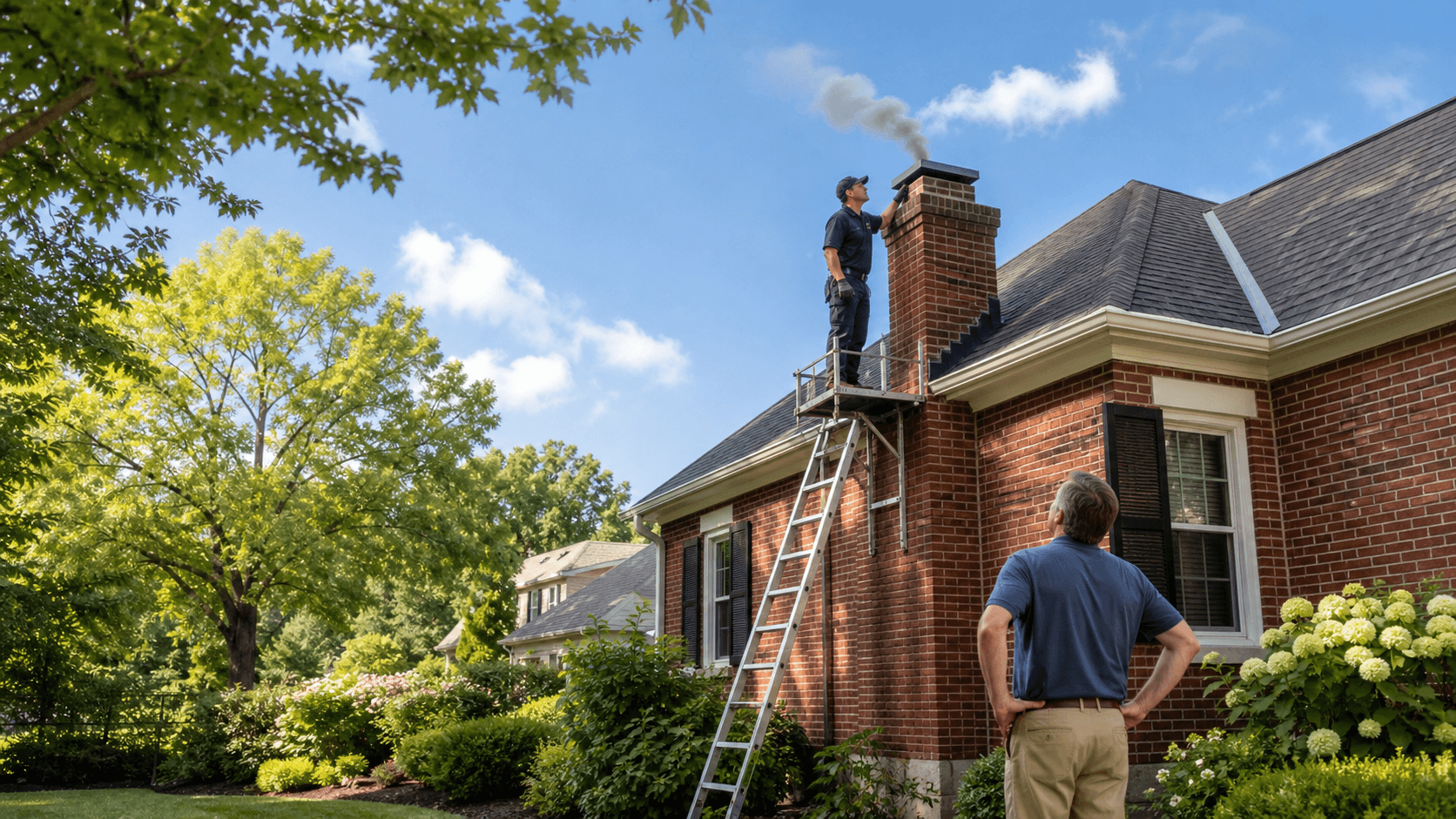
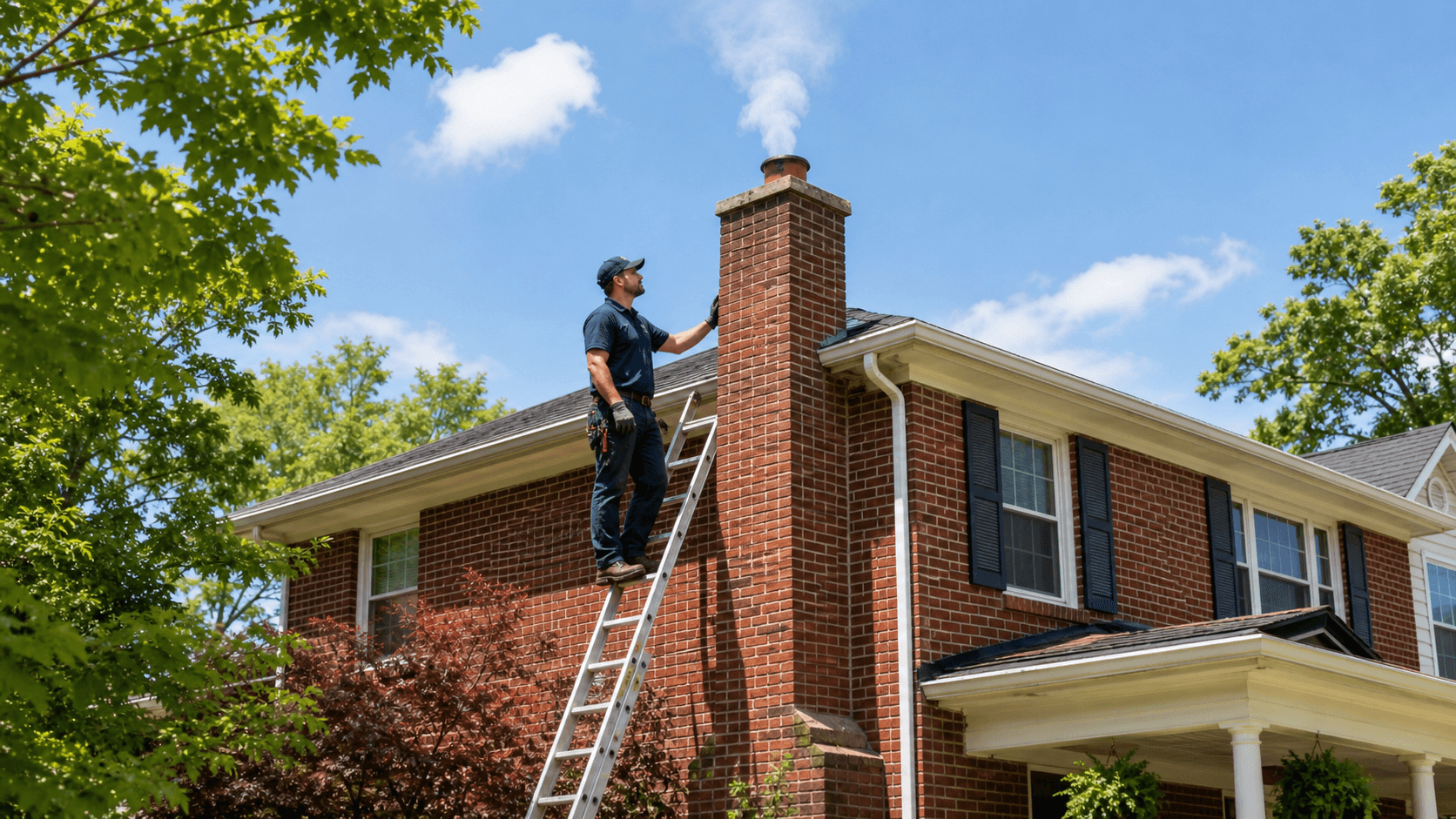
Seeing smoke near your chimney or smelling a strong smoky odor in the middle of a hot Cincinnati summer is confusing and a little alarming. You are not burning a fire. The AC is running, yet something smells like a campfire in your living room. That is your home telling you something is not right inside the chimney.
Summer is actually one of the best times to notice hidden chimney smoke problems in Cincinnati and the surrounding areas. Heat, humidity, and AC use can pull odors and even a hint of smoke back into the house. In this article, we will explain why this happens, what is normal, what is not, and when it is time to have a professional inspection done before the first cool night of fall.
Why You Notice Chimney Smoke More in Summer
On cold winter days, warm air from a fire usually rises up and out of the chimney with a steady draft. In summer, the whole airflow picture inside your home changes. The air inside is cooler from the AC, while the air outside is hot and heavy, especially in July and August around Cincinnati, Northern Kentucky, Southeast Indiana, and the Dayton area. That difference in temperature can actually pull air down the chimney instead of pushing it out.
This is often called a reversed draft. Instead of smoke and odors going up, the smoky air moves down and leaks into your living room, basement, or any room the chimney passes through. You might not see thick smoke, but you will catch a strong smell when the air pressure shifts.
A few local climate factors make chimney smoke problems in Cincinnati stand out in summer:
- High humidity makes odors feel stronger and stickier in the air
- Fast-moving summer storms push air and moisture into tiny gaps and cracks
- Sudden temperature swings make drafts unstable and more likely to change direction
On top of that, many homes in our area are tighter than they used to be. New windows, better insulation, and strong weatherstripping keep your cooled air inside, which is good for comfort but can make your house act like a closed box. When you turn on powerful kitchen or bathroom exhaust fans, or a big attic fan, those fans need air from somewhere. If the house is sealed tight, they can start pulling air down the chimney to replace what they push out.
That is why you might notice:
- A smoky or sooty smell when the AC kicks on
- Odors that get stronger when fans or the dryer are running
- A brief whiff of smoke smell when a storm front moves through
Common Summer Chimney Smoke Problems in Cincinnati
If you are noticing smoke or strong odors with no fire burning, there is usually a reason inside the chimney system itself. A few issues show up again and again in our area during the warm months.
One of the biggest causes is leftover creosote. Creosote is the dark, sticky or flaky byproduct that clings to the inside of the flue after winter burning. When sunlight heats the chimney bricks and metal in summer, that creosote can warm up and release very strong smells. The odor often gets described as:
- Smoky or burnt
- Sharp and tar-like
- Like a campfire that never quite went out
Another common problem is animals and debris. Summer is prime time for birds, raccoons, and other wildlife to explore open chimney tops. Nests, leaves, twigs, and even broken masonry can partly or fully block the flue. Even if you are not burning, these blockages:
- Trap old smoke and odor inside the chimney
- Make reverse draft problems more likely
- Can push smells into nearby rooms when the wind shifts
Hidden moisture is another big factor. Heavy summer storms can let water seep into tiny gaps in the crown, flashing, or masonry. When that moisture mixes with soot and creosote, it can create odors that smell musty, sour, or like a wet, smoky basement. You might see or smell this after several days of storms or after a big downpour.
Smoke, Smells, or Stains That Mean Call Now
Not every light odor means an emergency, but some warning signs should never be ignored. If you notice any of these, your chimney need attention soon:
- Actual smoke drifting into a room from the fireplace or the area around it
- Strong smoke smell on hot days, even with no fire and no recent fire
- New dark, oily, or rusty stains around the fireplace face or on nearby walls
- Smoke alarms chirping or going off sometimes with no clear reason
These signs can point to serious draft problems, flue damage, or heavy creosote buildup. They can also mean your chimney is not venting gas appliances like furnaces or water heaters as it should. Poor chimney draft can let carbon monoxide and other fumes build up indoors.
Gas fireplaces and gas appliances are often thought of as "clean," but they still need a clear, correctly sized flue. If part of the chimney is blocked or damaged, those gases may not escape the way they should. That is why strange smells near a gas fireplace or around the chimney in summer are a concern, even when everything looks off and unused.
Some issues can wait a short time, like a mild creosote odor without any stains or smoke. Others are more urgent. Plan to call for an inspection right away if:
- You see smoke or hazy air indoors
- Odors are strong enough to bother you daily
- You see new staining, damp patches, or crumbling brick around the chimney
Quick attention now can often keep a small problem from turning into a big repair when you are ready for your first fire.
How a Professional Chimney Inspection Solves Summer Smoke
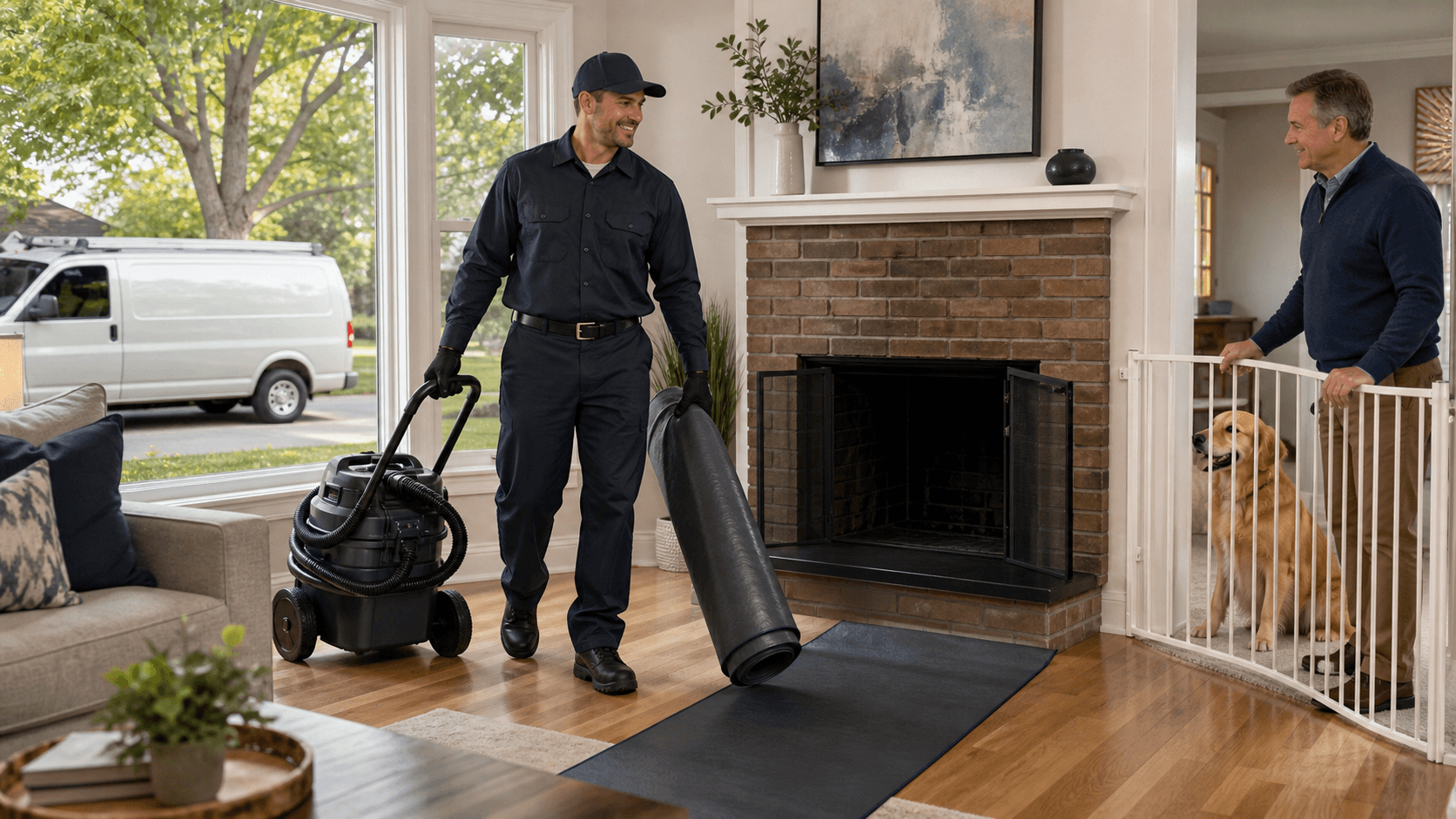
A professional inspection looks at your chimney as a full system, not just the visible fireplace. When we perform an inspection, we typically:
- Check the firebox, damper, and smoke chamber for soot, cracks, and blockages
- Look inside the flue for creosote buildup, nesting materials, or damaged liners
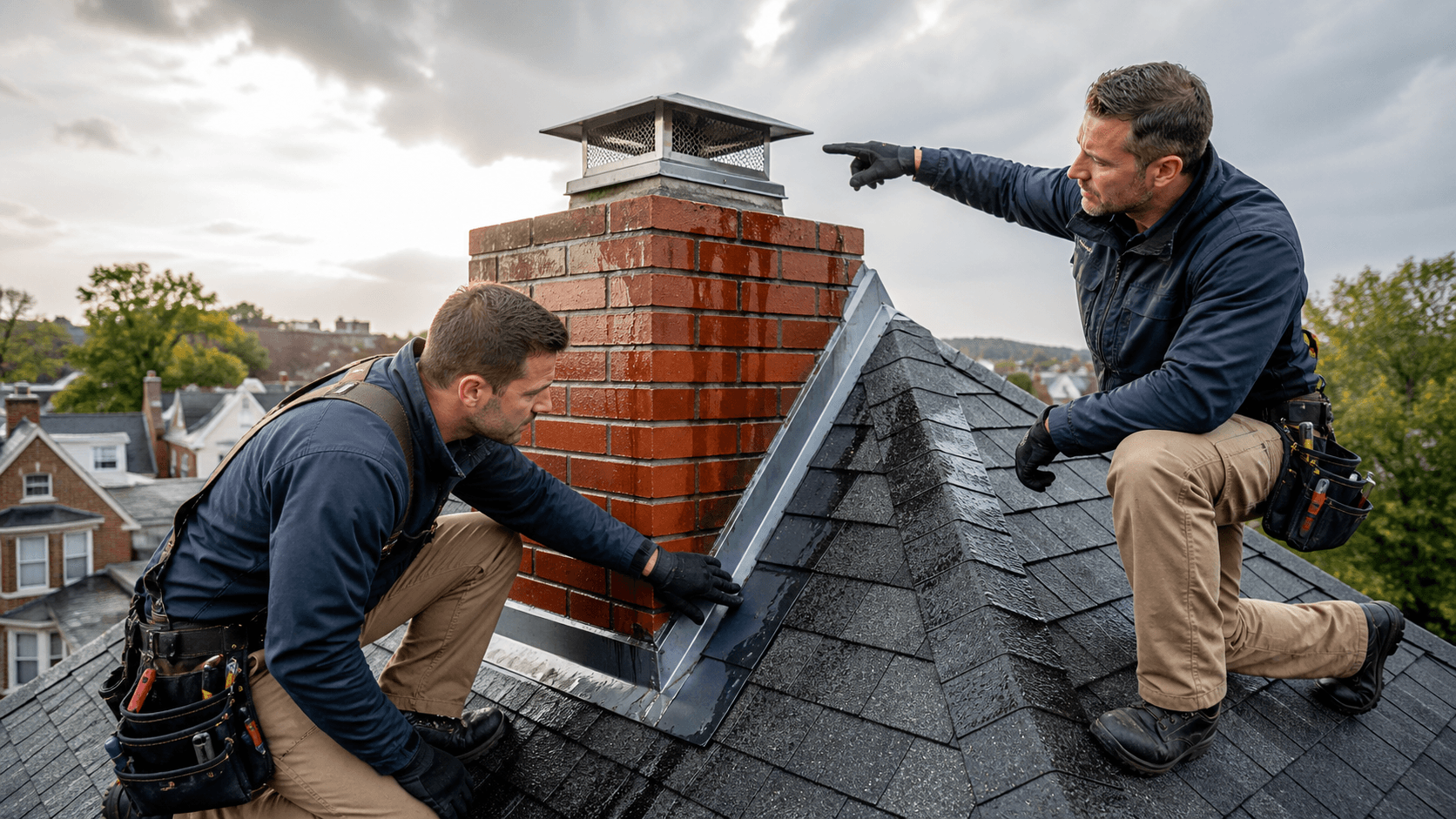
- Inspect the chimney cap, crown, and masonry for gaps that let in water or animals
- Confirm that connections to stoves, inserts, furnaces, or water heaters are secure and sized correctly
Once we know what is going on, we can match a fix to the issue. Some common solutions that help with chimney smoke problems in Cincinnati include:
- Sweeping the flue to remove creosote that is causing strong odors
- Installing or repairing a chimney cap to keep out rain, leaves, and animals
- Relining a damaged or improperly sized flue so it vents cleanly
- Repairing the crown, bricks, or mortar to stop water leaks that mix with soot
Summer is a smart time to handle this work. Schedules are usually more flexible, and weather delays tend to be shorter. Repairs can be completed before temperatures drop, so you are not waiting during peak fall and winter demand. You also gain peace of mind, knowing the system is ready for safe, steady use when you want your first cozy fire.
Make This the Summer You Fix Your Chimney Smoke
If you are smelling smoke or noticing stains when the fireplace is cold, do not brush it off just because it is warm outside. Chimney issues rarely fix themselves. They usually grow over time, especially as storms, heat, and humidity keep working on the outside while old soot and creosote sit inside.
A simple way to get started is to keep a short note over a week or two. Write down:
- What you smell or see, and how strong it is
- What the weather is doing when it happens
- Whether fans, the dryer, or the AC were running at the time
- Any recent storms, loud animal sounds near the chimney, or debris you have noticed
Those notes give a chimney professional helpful clues about what might be going on inside your system. At Chimney Works, we work every day with homeowners across Cincinnati, Northern Kentucky, Southeast Indiana, and the Dayton metro who are seeing the same summer smoke questions you are having now. With a careful inspection and the right repairs, we can help track down the source of the smoke or odor and get your chimney ready for safe, clean use when cooler weather returns.
Protect Your Home From Dangerous Chimney Smoke Issues
If you are noticing smoke backing up into your living space or lingering odors from the fireplace, we can help you pinpoint and fix the root cause. Our experienced team has solved countless chimney smoke problems in Cincinnati, restoring safe, efficient performance to local fireplaces. Reach out to Chimney Works so we can inspect your system, explain what is going on in clear terms, and recommend the right solution. To schedule service or ask a question, simply contact us today.