Summer Smoke Signals Many Cincinnati Homes Ignore
Summer is usually when fireplaces are out of sight and out of mind. The windows are closed, the AC is running, and no one is thinking about wood fires. That calm break from heating season is exactly when small chimney smoke issues like odors, weak draft, or hidden damage often start to grow. By the time cooler weather shows up, those small problems can turn into thick smoke, strong smells, or even unsafe conditions.
In our humid Cincinnati summers, trouble often hides in the background. Heavy air, storms, and constant AC use can mask early signs that a chimney is not venting the way it should. When we catch those signs now, we can protect indoor air quality, keep your home more comfortable, and help your system be ready to work hard again once temperatures drop.
Hidden Summer Signs Your Chimney Is Not Venting Right
Even when you are not burning a fire, your chimney still "breathes." If that airflow is off, you may notice small clues long before smoke rolls into the room.
Watch for signs like:
- A faint "campfire," smoky, or tar-like smell on muggy days
- Odors that get stronger right after a summer rain
- Smells that seem worse when the central AC kicks on
You might also spot:
- Slight haze or "foggy" air near the fireplace opening
- Mild eye, nose, or throat irritation when you sit near the hearth
- New stains, dark marks, or yellowish discoloration around the firebox
These are often early hints of poor draft or backdrafting, where air moves the wrong way and brings chimney gases back into the home instead of sending them outside. When you open windows or turn on fans, the symptoms may fade, so it is easy to blame the weather or the AC and move on. Then, when you light the first fire of the season, the same issues show up as thick smoke, a strong burning smell, or difficulty getting the fire to "pull" correctly.
If you notice the same smell or irritation returning again and again in summer, that is usually your cue that something inside the chimney needs attention.
How Summer Weather Makes Smoke Problems Worse
Cincinnati and the surrounding areas get hot, heavy air in summer. That weather can make an already weak chimney draft even weaker.
Here is how the season can work against your chimney:
- Temperature inversions keep warm, dirty air trapped close to the ground, which can push chimney fumes back toward the house
- High humidity makes the air feel heavy, so smoke and fumes do not rise as easily
- Warm indoor air from the AC can be at odds with outside air, making the chimney less able to "pull" upward
Your home's systems also compete with your chimney. When the AC runs, the house is sealed up tight. Bathroom fans, kitchen range hoods, and even clothes dryers pull air out of the house. Your home needs to replace that air from somewhere, and an open fireplace or leaky damper can be the easiest path. That can pull outdoor air, and sometimes chimney air, down into your living space.
Storms are another factor. Strong winds and fast pressure changes can:
- Push air down the chimney
- Knock loose old creosote and soot
- Break up animal nests or debris that then shift and block the flue
After a big storm, some homeowners notice new odors or a smoky smell near the fireplace. That is often a sign that weather has changed something inside the flue.
Common Summer Causes of Chimney Smoke and Odors
Most summer chimney smoke problems in Cincinnati trace back to a few common causes, many left over from last heating season.
Creosote buildup is a big one. When you burn wood, it leaves behind:
- Creosote, which can be flaky, sticky, or shiny and tar-like
- Soot that clings to the flue walls
- Ash and small bits of debris in the firebox and smoke shelf
In summer heat, creosote and soot can warm up, and give off strong odors even when you are not using the fireplace. Add humidity, and those smells can become sharper and more bitter. Some homeowners describe it as a hot, smoky, or asphalt-like smell that seems to come and go.
Blockages are another problem. Without a proper chimney cap or with a damaged one, it is easy for things to get inside:
- Bird or animal nests
- Twigs, leaves, and seeds
- Roofing material or loose masonry pieces
These blockages can cause smoke backup, musty odors, and can raise the risk of a chimney fire when you eventually light a fire. They also hold moisture, which can speed up damage to the flue.
Masonry cracks, worn mortar joints, and damaged liners let water creep into the structure. Over time, this can lead to:
- Crumbling bricks or flue tiles
- Rusted metal fireboxes or dampers
- More odor as wet creosote breaks down and smells stronger
A missing or broken chimney cap makes all of this worse by letting in rain, animals, and debris. Even if you do not see damage from the yard, problems can be growing where you cannot see, inside the flue or behind the walls.
Summer Inspections That Prevent Fall Fireplace Headaches
Late summer tends to be a smart time to have your chimney checked. You are not using the system much, so we can inspect, clean, and repair without rushing to get a cold house warm again. It is also easier to solve problems before you are ready to start those first cozy fires.
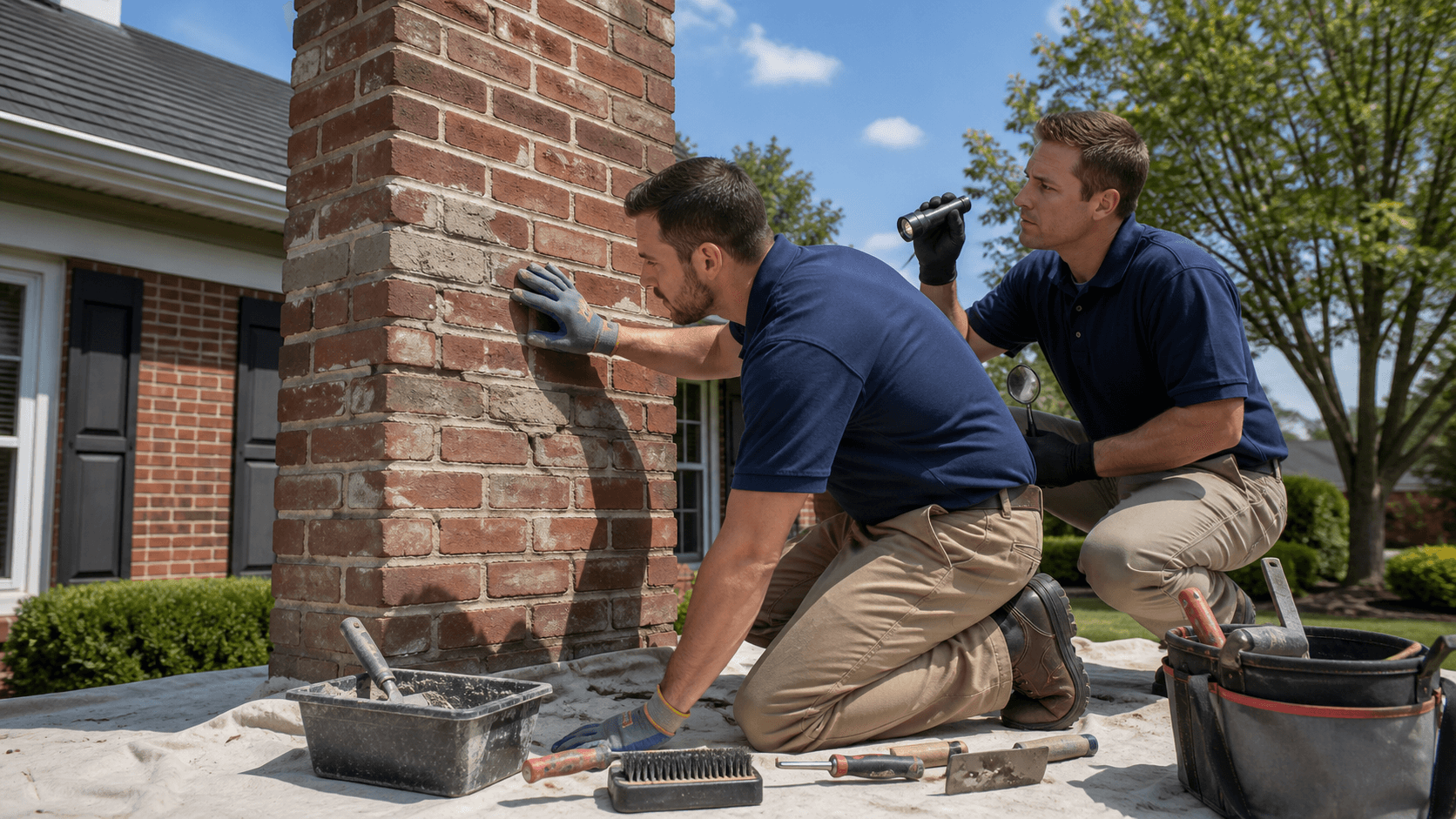
A professional inspection from a company like Chimney Works typically includes:
- A camera scan of the flue to look for cracks, blockages, and hidden buildup
- Checking the liner, damper, and smoke chamber for damage or heavy creosote
- Looking at the chimney cap, crown, and visible masonry for gaps or wear
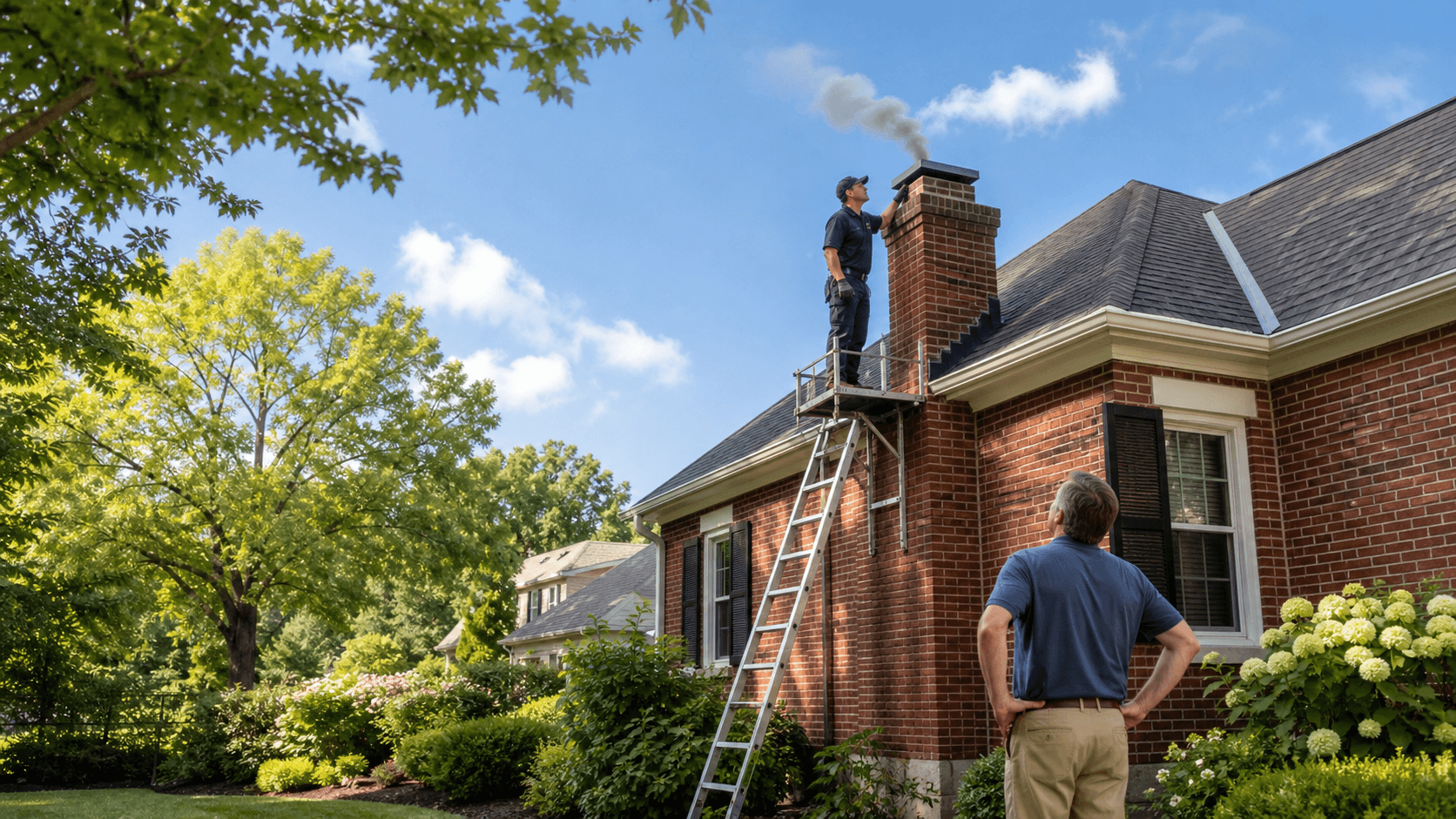
- Verifying that the chimney is drafting the right way and not pulling air down instead of up
When needed, we often suggest pairing that inspection with preventive work such as:
- Sweeping out creosote and soot left from last winter
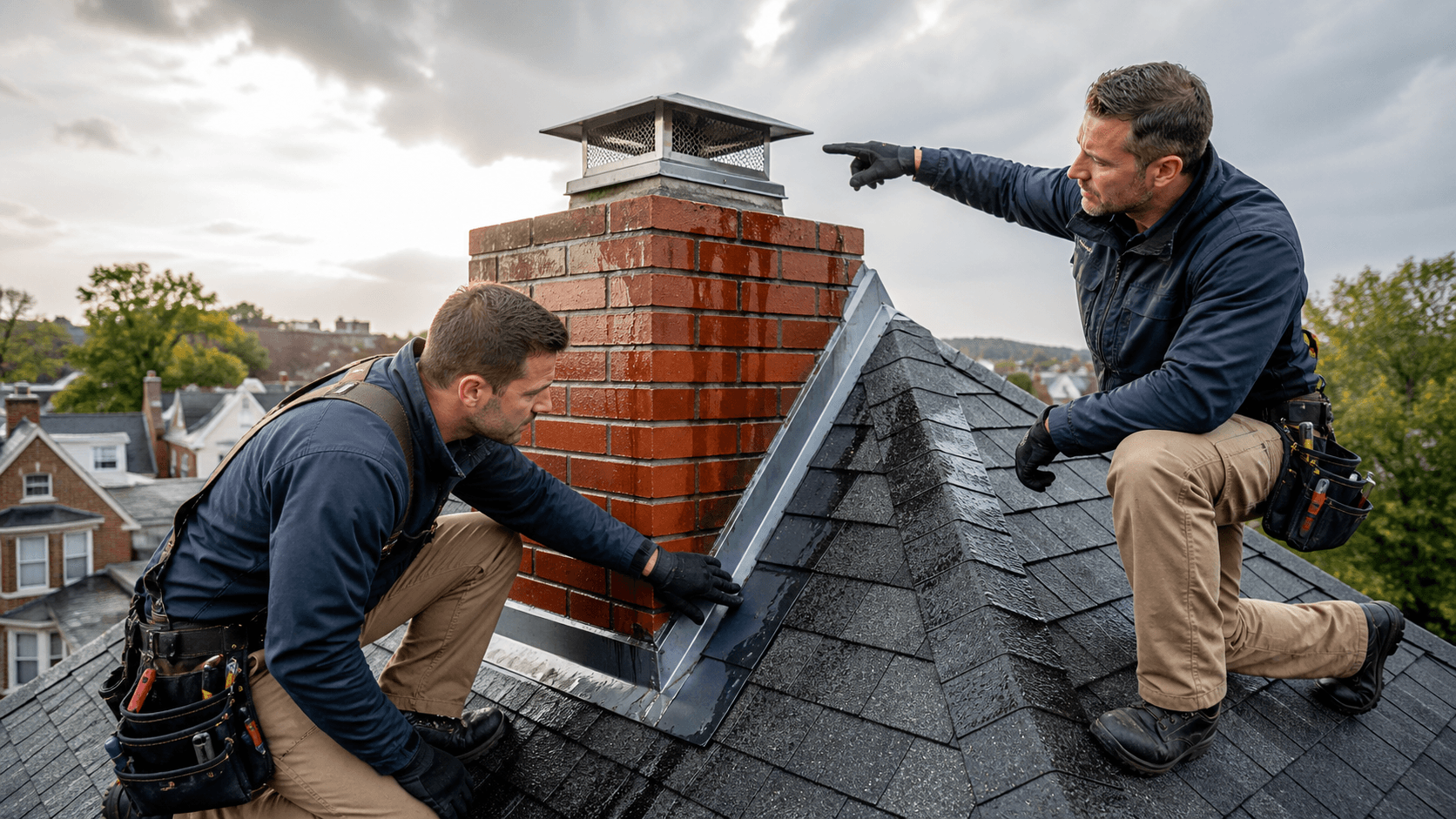
- Installing or replacing a cap to keep rain and animals out
- Repairing or sealing a damaged crown to keep water off the bricks
- Addressing minor masonry issues before they grow into larger cracks
Catching and fixing these issues in summer helps stop smoke and odors before you ever light that first fire.
Get Your Chimney Smoke Ready Before Temperatures Drop
Summer is not usually when people think about chimney smoke problems in Cincinnati, Northern Kentucky, Southeast Indiana, or the Dayton metro area. But those warm, humid months are often when the earliest warning signs show up. Faint odors, light haze, or small stains around the fireplace are not just annoyances. They are your chimney's way of asking for help.
At Chimney Works, we want your home to feel safe, clean, and comfortable every season. By treating summer smoke and odor clues as early warnings, not something to ignore, you can head into fireplace season with cleaner indoor air, fewer surprises, and a chimney that is ready to work the way it should.
Protect Your Home From Dangerous Chimney Smoke Issues Today
If you are dealing with chimney smoke problems in Cincinnati, we can inspect your system, pinpoint the cause, and provide reliable solutions that keep your home safe and comfortable. Our experienced team at Chimney Works SEO will check everything from your flue and damper to ventilation and drafting to make sure smoke goes where it should. To schedule service or ask a question, simply contact us and we will help you take the next step.