Get Cozy by Fall with the Right Gas Fireplace Team
A gas fireplace is one of the easiest ways to make your Hamilton-area home feel warm and welcoming when the air starts to cool off. It gives you fast, steady heat with the push of a button, without hauling wood or cleaning up ash. If you want that comfort ready for the first real cold snap, the planning needs to start early.
Early September is a smart time to line up your project. Installers near Hamilton, Cincinnati, NKY, SE Indiana, and Dayton start to fill their fall calendars quickly. By choosing your gas fireplace team now, you give yourself time to plan, pick the right unit, and get everything installed before the first hard frost hits.
When you are comparing fireplace installers near Hamilton, local knowledge matters. Your crew should understand area homes, typical construction styles, and regional code requirements. That way, your fireplace is not only cozy, it is safe, reliable, and set up the right way for our climate.
Why Now Is the Perfect Time for a Gas Fireplace Upgrade
Getting a gas fireplace set up before temperatures drop gives you more options and less stress. Early fall usually brings shorter wait times, more product choice, and fewer scheduling headaches than late fall or winter.
Here are a few reasons the timing works so well:
- Installers are not yet at peak demand, so you have better flexibility on dates
- Suppliers tend to have stronger stock before winter rush orders start
- You have time to plan around other home projects or family events
A gas fireplace can also help with comfort in the shoulder seasons. On cool evenings when it feels too chilly for comfort but not cold enough to run the furnace all day, you can:
- Take the edge off a cool living room or family room
- Reduce how often your main heating system cycles on
- Focus heat in the rooms where you spend most of your time
When your unit is installed in the fall, you can break it in slowly. You can learn the controls, remote features, and safety basics while the weather is still mild. If something needs a tweak, you are not dealing with it during the coldest week of the year.
What to Look for in Fireplace Installers Near Hamilton
Not all fireplace installers offer the same level of skill or service. When you are comparing fireplace installers near Hamilton, it helps to know what to look for so you feel confident with the crew working in your home.
Key things to check include:
- Proper licensing for gas work and fireplace installation
- Current insurance coverage to protect you and your property
- Manufacturer training or experience with the type of unit you want
Local experience is also important. Installers who regularly work in Hamilton, Cincinnati, NKY, SE Indiana, and Dayton are more likely to be familiar with:
- Area building codes and inspection requirements
- Common framing styles and wall constructions in local homes
- Regional venting and gas line rules
Take a few minutes to read recent reviews and look at job photos. Pay attention to comments about cleanliness, communication, and follow-through. You want a team that shows up when they say they will, keeps you informed, and leaves your home tidy at the end of the project.
Safety, Codes, and Fuel Lines You Cannot Ignore
Gas fireplaces are safe when they are planned and installed correctly. The flip side is that rushed or sloppy work can create serious problems. That is why your installer should be focused on safety from the very first visit.
Important safety steps include:
- Sizing gas lines correctly so the fireplace gets a steady fuel supply
- Pressure and leak testing all new and existing lines before final start-up
- Verifying that vents are the right size, length, and material
- Making sure carbon monoxide alarms are present and working in the home
Professional installers also follow local codes and permitting rules. Around the Hamilton and greater Cincinnati region, this can include:
- Pulling permits where required before work starts
- Following clearance and venting rules for walls, mantels, and ceilings
- Meeting rules for gas shutoff valves and access points
Good installers coordinate with gas utilities, local inspectors, and homeowners to keep the process smooth. They plan where the gas line will run, how it will be supported, and how it will be tested. They also walk you through the basics of safe operation so you feel comfortable using the new system.
Matching Your Fireplace to Your Home and Lifestyle
Before anyone cuts into a wall or runs a gas line, you will need to choose the type of fireplace that fits your space and how you plan to use it. The right fit is about more than looks, although style does matter too.
Things to think about include:
- Room size and ceiling height
- Whether you have an existing chimney or not
- How much heat you want the unit to provide
- Your preferred style, such as modern, traditional, or rustic
There are three common types of gas units you may consider:
- Direct-vent: Uses a sealed system with a vent to the outside, good for many family rooms and additions, offers a balance of safety, efficiency, and real flame appearance
- Vent-free: Vents exhaust into the room and has specific code and placement limits, not allowed in all areas, requires careful discussion of pros and cons
- Gas inserts: Installed into an existing wood-burning fireplace to update the look and improve efficiency without a full rebuild
A professional installer near Hamilton can walk through your home and help you sort through options. They can suggest locations, help you understand controls like wall switches and remotes, and explain how each type of unit will feel in daily use.
How Chimney Works Simplifies Your Fall Fireplace Project
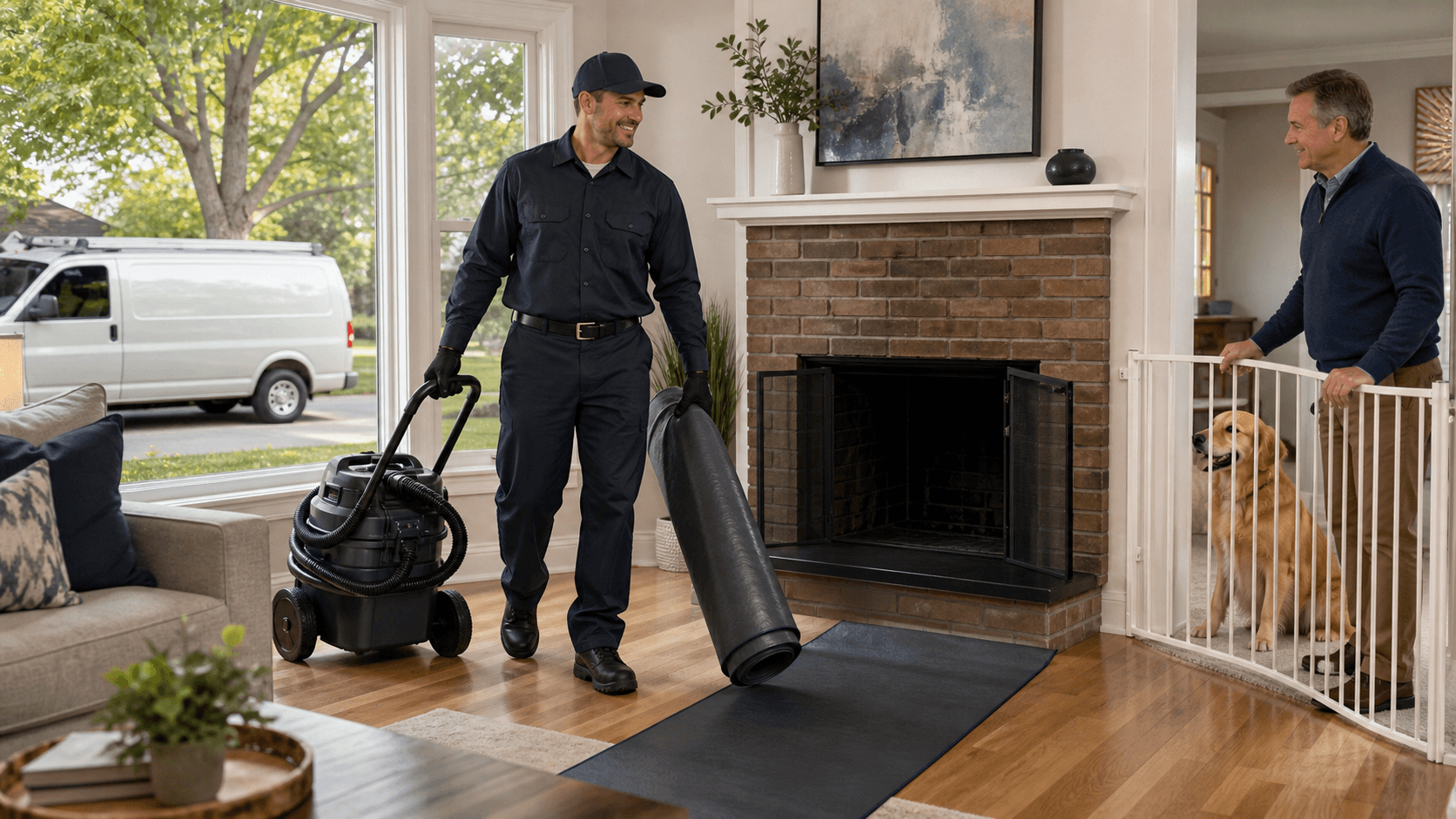
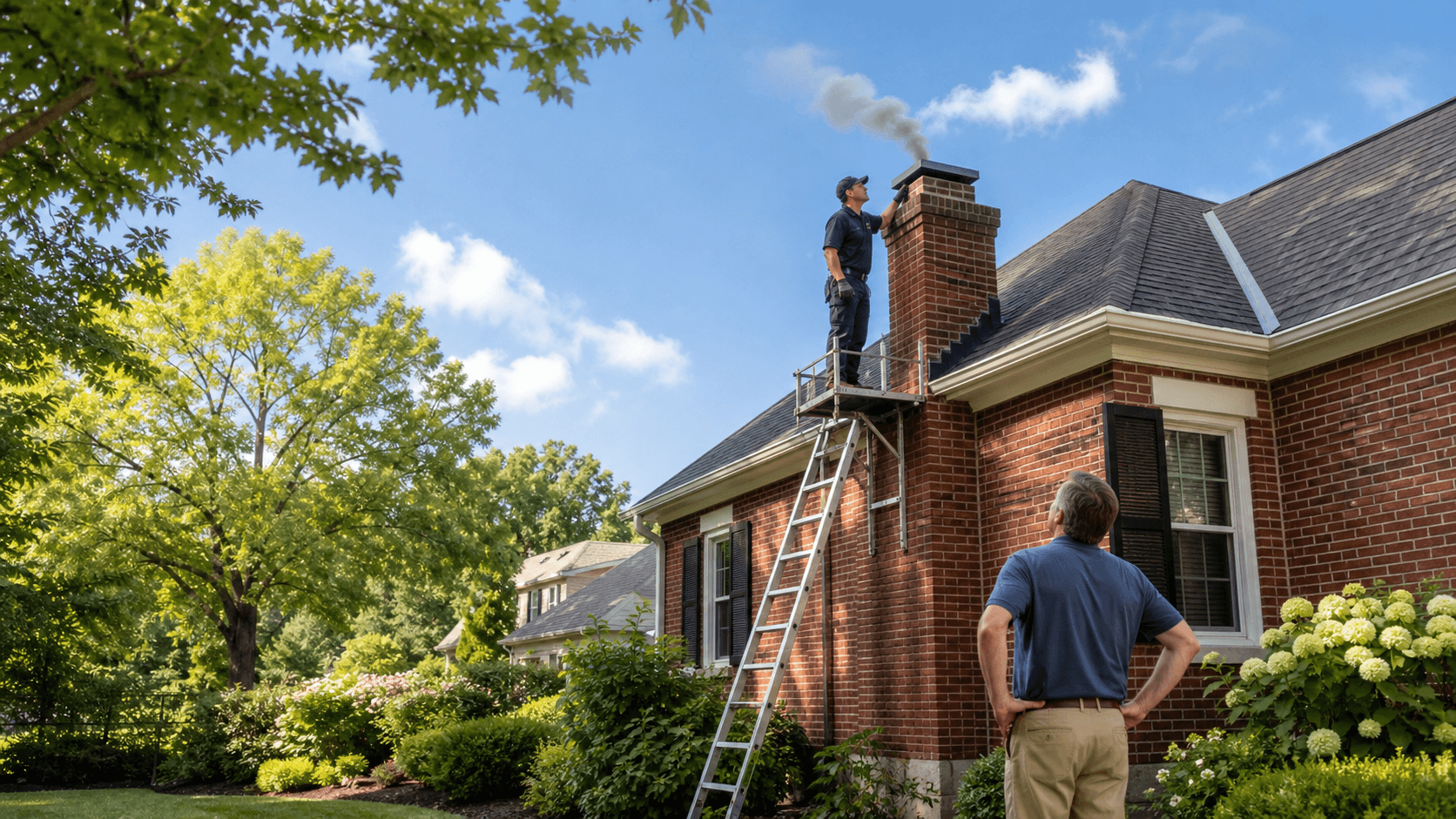
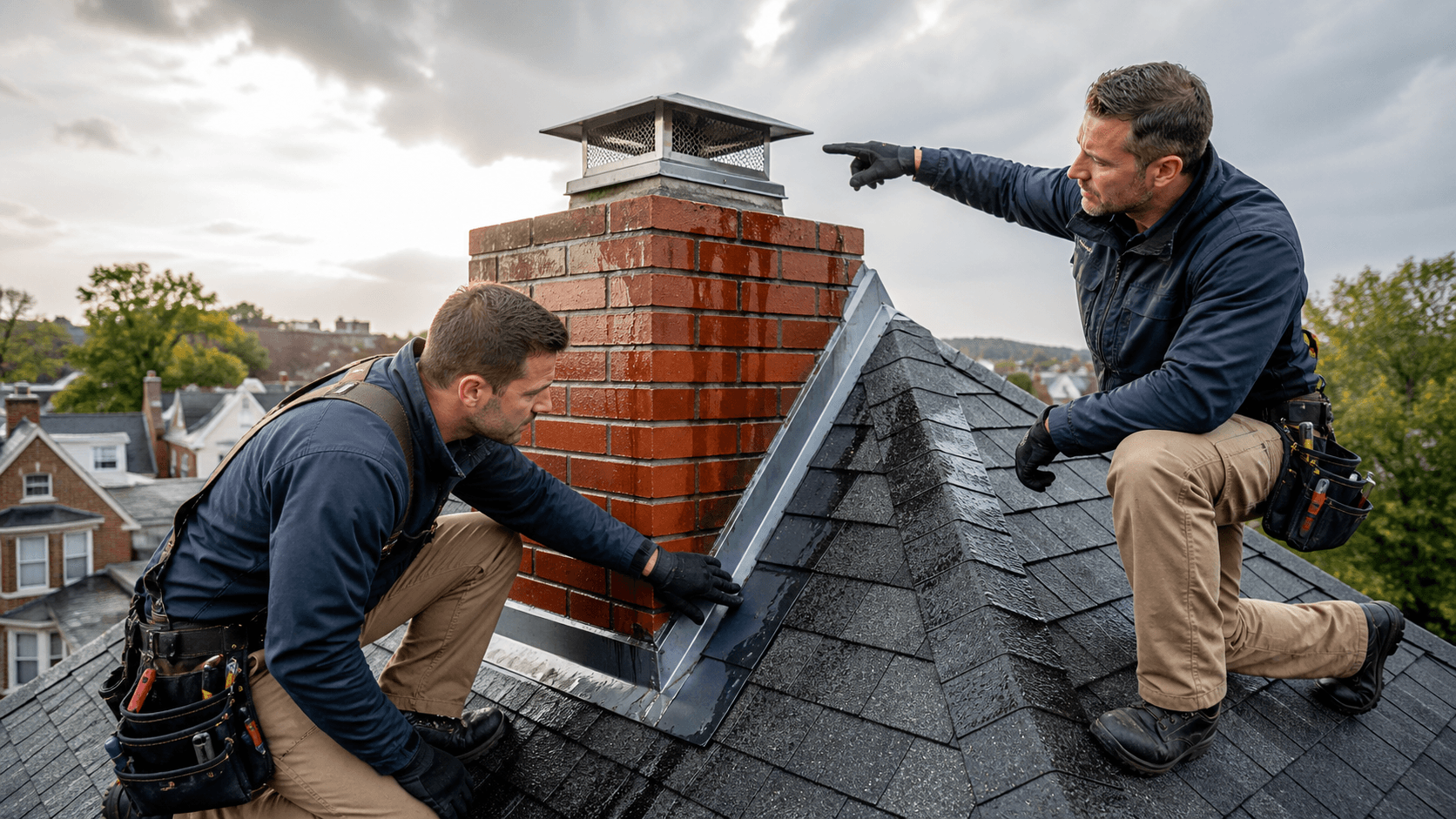
Chimney Works provides chimney and fireplace services for homeowners in the greater Cincinnati, NKY, SE Indiana, Hamilton, and Dayton areas. We help with gas fireplace installations along with chimney sweeping, repairs, leak diagnostics, and more, so we understand how all the parts of your system work together.
When we handle a gas fireplace project, we usually follow a clear, step-by-step process:
- In-home assessment to review your space, venting options, and gas access
- Product recommendations that fit your home layout and style goals
- A written estimate that explains the work and scope
- Professional installation, including venting and gas line connections
- A post-installation walkthrough so you know how to use and care for your new unit
Because we also offer chimney inspections, leak diagnostics, and maintenance, we can help protect your investment after the installation is complete. Regular service keeps your system running safely and helps you enjoy that cozy, steady heat every time you turn it on.
Get Started With Your Project Today
If you are comparing options for fireplace installers near Hamilton, we can walk you through the process, from inspection to a finished, working fireplace. At Chimney Works, we focus on safe installations that match your home, budget, and timeline. Tell us what you are planning and we will recommend the best approach and a clear estimate. Have questions or want to schedule an appointment now? Just contact us and we will follow up promptly.