Stop Guessing and Book the Right Chimney Service
Smoke smell in your living room, a brown ring on the ceiling by the fireplace, or a fire that never seems to draw right are more than a small headache. These are warning signs that something inside your chimney is not working safely or correctly. If you live in Greater Cincinnati, Northern Kentucky, Southeastern Indiana, or the Dayton area, you feel it as the evenings start to cool and you want that fireplace ready.
The tricky part is knowing what to ask for. Should you book a chimney inspection, a chimney sweep, or a leak diagnostic? Each visit is built to solve different problems. If you pick the wrong one, you may waste time, spend money twice, and still have smoke, water, or draft issues after the visit. In some cases, real fire hazards stay hidden.
We want to make this simple. By the end of this guide, you will know which service fits your symptoms so you can ask for the right kind of help the first time.
When You Need an Immediate Chimney Inspection in Cincinnati
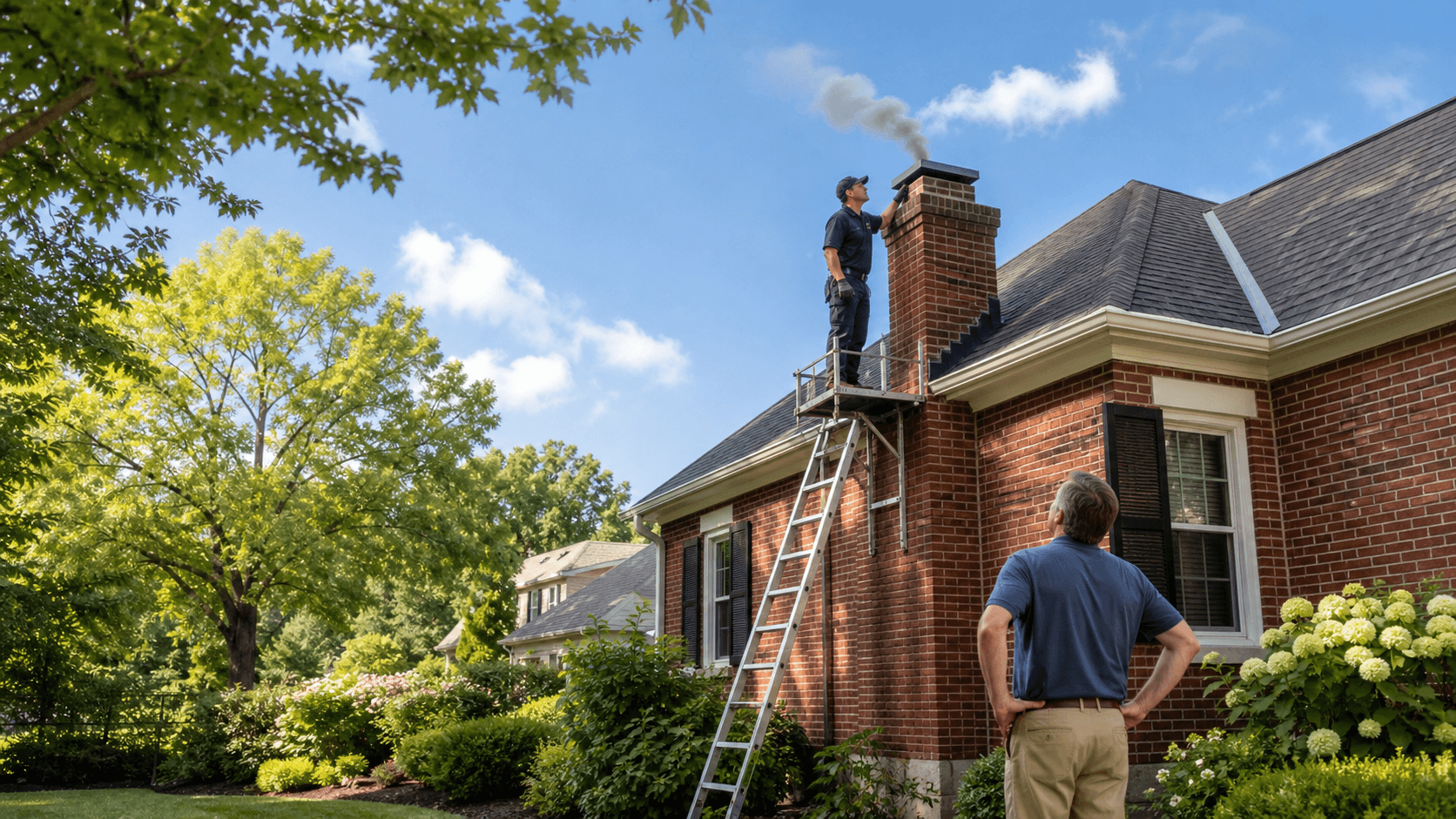
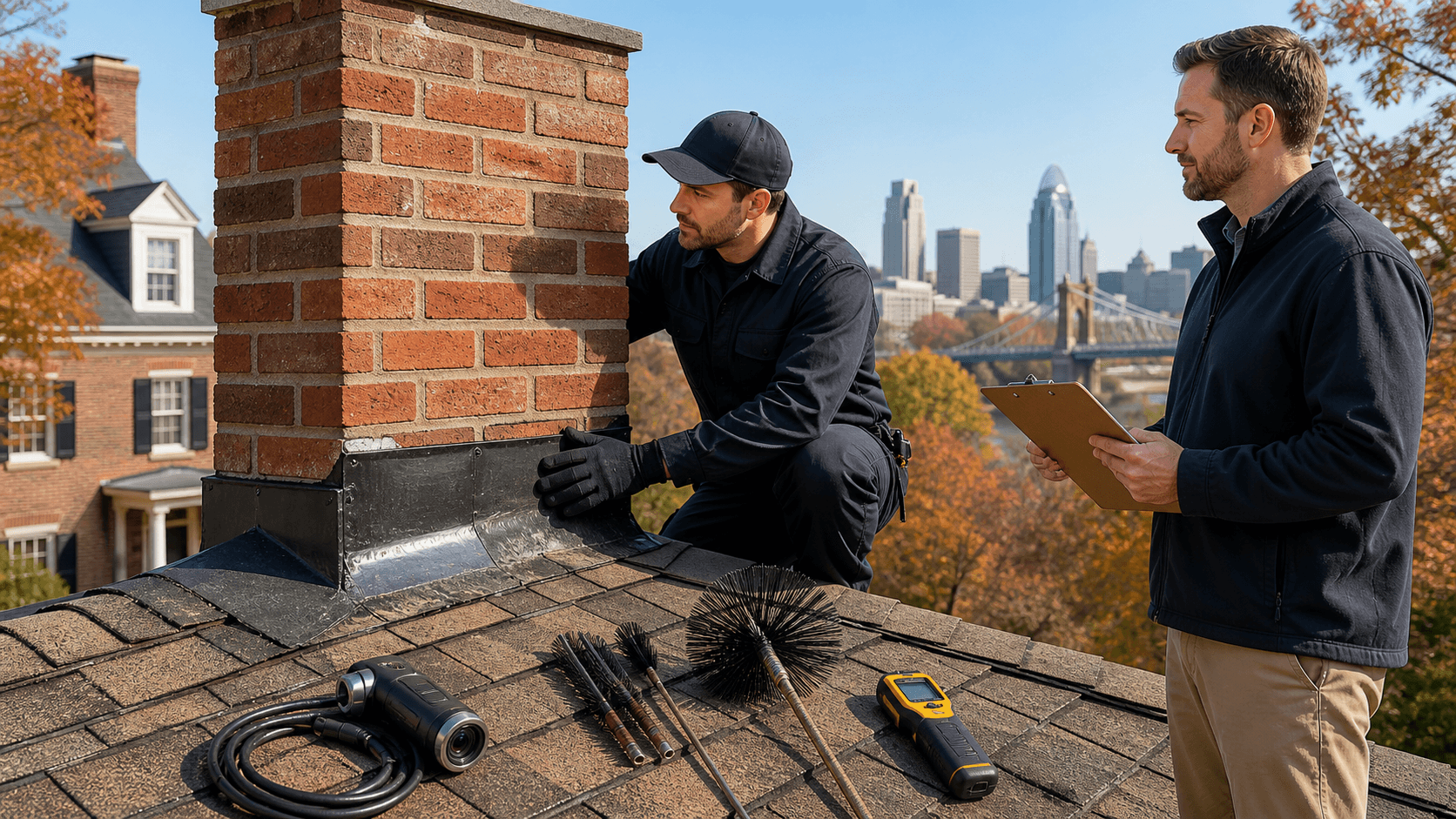
A chimney inspection is a full health check for your fireplace and chimney system. During an inspection, a trained technician looks at key parts of the system, including:
- The firebox, damper, and smoke chamber
- The flue, often with a camera inside the chimney
- The chimney structure above the roofline
- The clearances to nearby building materials where that is accessible
There are different levels of inspection, from basic visual checks to more in-depth reviews with special tools. The goal is always to find hidden damage, blockages, or construction problems that could lead to fire, smoke, or carbon monoxide issues.
You should schedule an immediate chimney inspection in Cincinnati in several common situations. This includes using an existing fireplace for the first time, responding to a known chimney fire or a strong roaring sound during a past fire, preparing for a home purchase or sale that involves a fireplace or wood stove, or dealing with ongoing smoke odor, poor draft, or puzzling performance problems.
An inspection focuses on safety and code concerns. It can reveal cracks, gaps in the liner, loose bricks, or clearance issues that you cannot see from your living room. That is especially important before heavy fall and winter use.
After the inspection, you will know what is really needed. Sometimes you just need a chimney sweep. Other times, the report may point to repairs, relining, or even changing the type of appliance you use. Because our area sees plenty of rain, humid summers, and freeze-thaw cycles in colder months, local knowledge helps us spot trouble areas that show up often in Greater Cincinnati and nearby communities.
What a Chimney Sweep Fixes and What It Doesn't
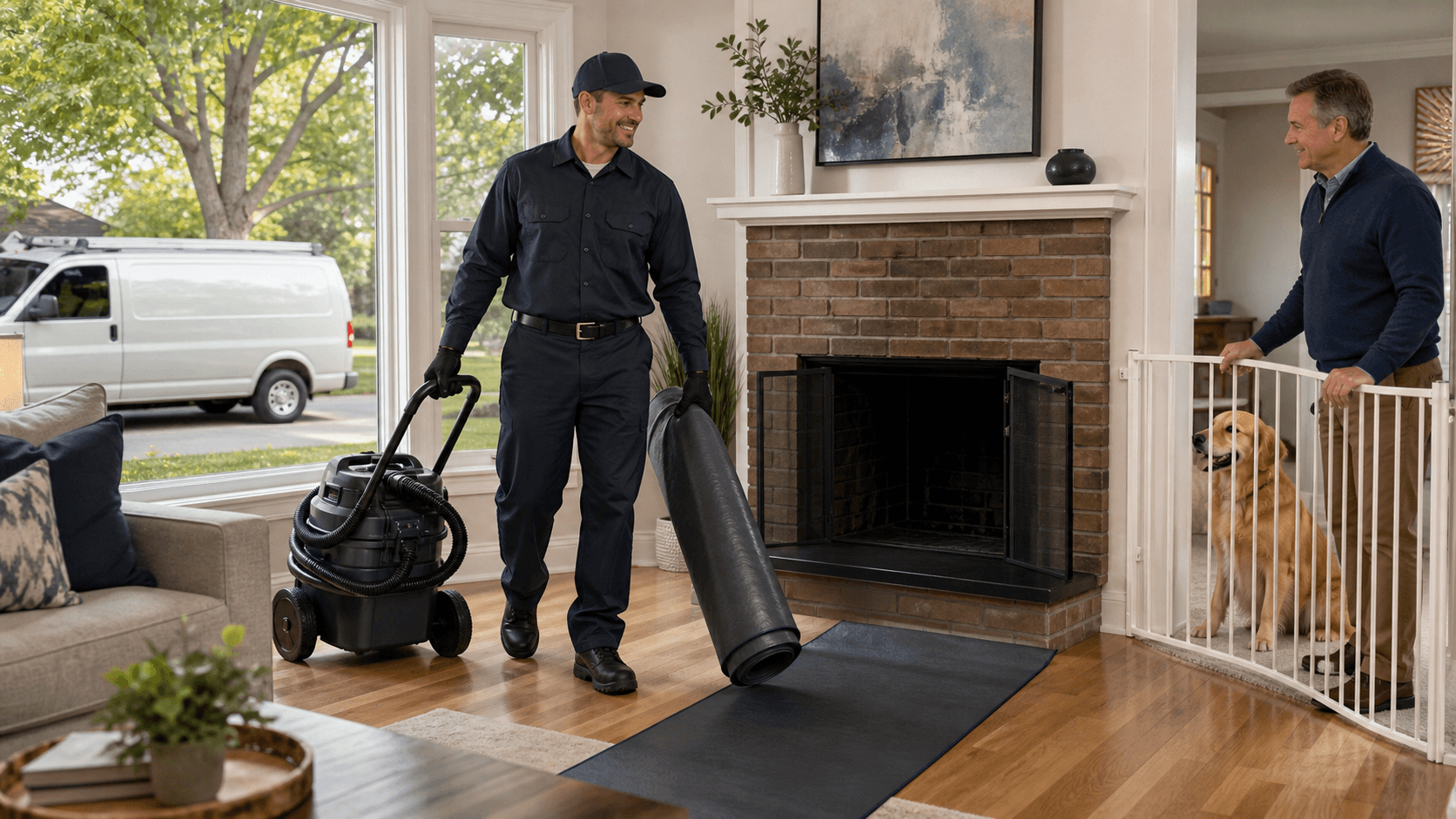
A chimney sweep is all about cleaning out what fire leaves behind. A proper sweep means we:
- Remove soot and creosote from the flue and smoke chamber
- Clear out small blockages like leaves or animal nests
- Brush and vacuum in a way that protects your home from mess
- Check that the flue is open and clear for normal operation
Sweeping often helps when you have noticeable black soot or shiny creosote inside the firebox, mild smoke spilling into the room right after lighting a fire, or fires that seem a little sluggish after months of regular burning. It is also the right choice when a fireplace or stove is simply due for yearly maintenance.
A cleaner flue usually drafts better. That can reduce smoke backup and lower the chance of a chimney fire caused by heavy creosote buildup. It also makes it easier to see the interior surfaces if a later inspection is needed.
But a chimney sweep cannot fix the kinds of issues that come from damage, water entry, or design limitations. Cleaning alone will not address the following:
- Structural cracks in the tiles or masonry
- Water leaks at the crown, cap, or flashing
- Loose or crumbling bricks and mortar
- A warped or missing liner
- Design flaws like a chimney that is too short or a flue that is the wrong size
If you have serious smoke problems, damage, or water coming in, cleaning alone will not solve it. That is why we usually suggest regular sweeping along with periodic inspections, especially before or after the high-use season in the Cincinnati and Dayton metro areas.
Leak Diagnostics for Water Stains and Musty Smells
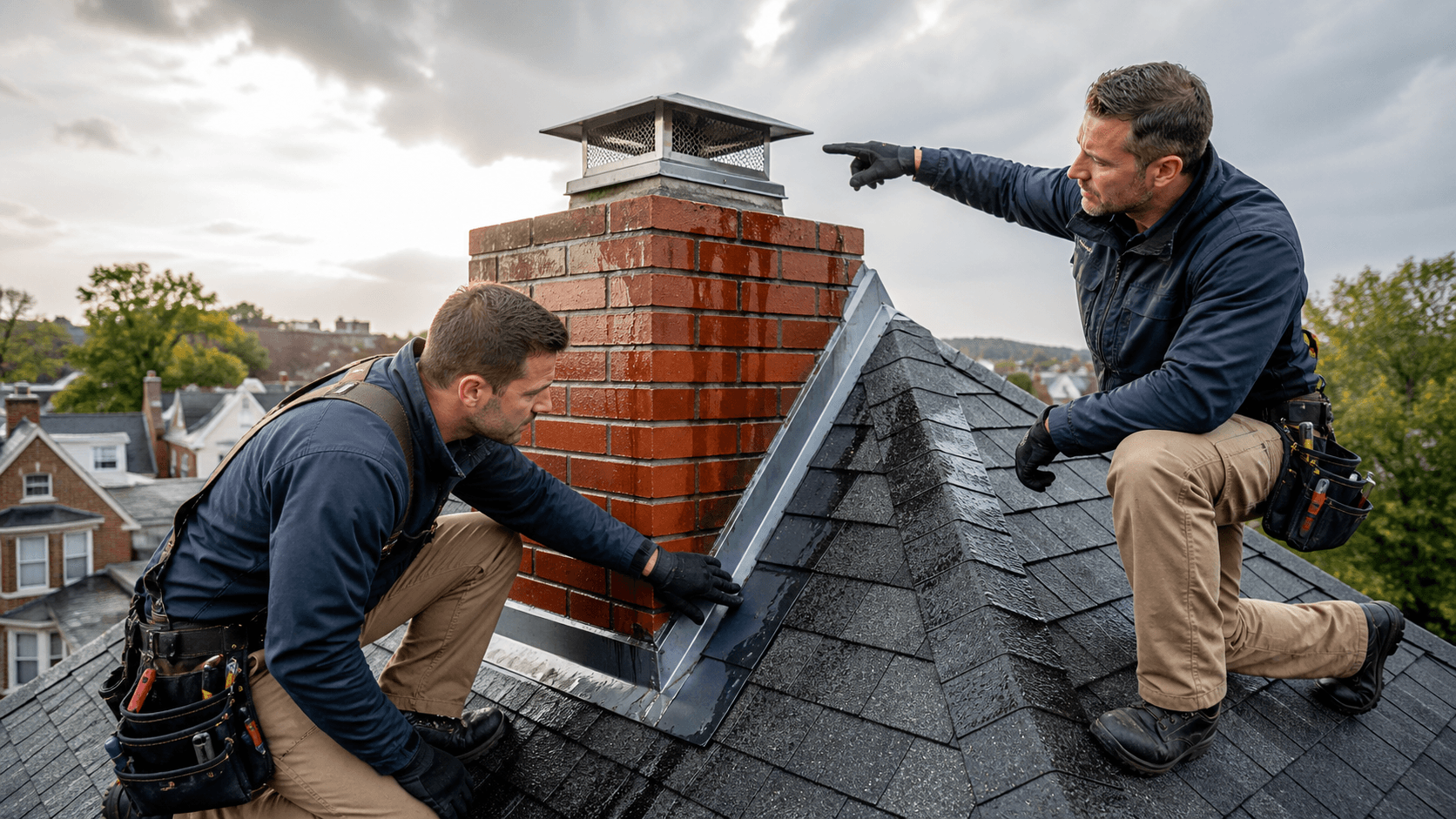
A chimney leak diagnostic is different from a general inspection. It is a focused visit meant only to figure out where water is getting in and how it is traveling through your home. During a leak diagnostic, we look closely at:
- The crown and chimney cap
- Flashing where the chimney meets the roof
- Brick, stone, or siding, including mortar joints
- Metal chase covers on factory-built chimneys
- The attic or ceilings near the chimney path
You probably need a leak diagnostic instead of a simple sweep if you notice yellow or brown water stains on ceilings or walls near the fireplace, peeling paint or bubbling drywall around the chimney, rust on the damper, firebox, or any metal parts, or a musty, damp smell that shows up especially after rain. Exterior signs also matter, including flaking or spalling brick on the outside of the chimney.
Water and chimneys do not mix well, especially in an area with wet weather and temperature swings. Small leaks can quickly turn into larger structural problems once colder weather brings freezing, thawing, and more moisture.
During a leak diagnostic, we use visual checks, moisture tracing, and roof and attic reviews to separate chimney leaks from general roof leaks. Once the entry points are found, common solutions can include:
- Crown repair or rebuilding
- Masonry waterproofing
- New or repaired flashing
- Proper chimney cap installation
- Tuckpointing loose mortar joints
- Replacing a damaged chase cover
The key is finding the true source instead of just painting over stains inside the house.
Matching Your Chimney Symptoms to the Right Service
If you are still unsure which visit to request, match your main symptom to this simple guide. It is a quick comparison that helps you book the service that fits what you are seeing:
- Smoke odor when the fireplace is not in use, unknown fireplace history, after severe storms, or right after buying a home: request an inspection
- Thick soot, visible creosote, or smoke backing up after a season of regular use: request a chimney sweep
- Water stains, musty or wet smells, rust, or peeling paint near the chimney: request a leak diagnostic
Sometimes, we may suggest a combination based on what you report and what we observe on site, such as:
- An inspection plus a sweep if the chimney is both dirty and showing signs of performance problems
- An inspection plus a leak diagnostic if there are water stains and we suspect deeper damage inside the structure
Draft problems can be tricky, and this is where an inspection really matters. Poor draft might come from several different causes, including:
- Simple creosote buildup that a sweep can handle
- A blocked cap or animal nest
- Negative air pressure inside the home
- A flue that is too short, too large, or too small for the appliance
During an inspection, we look at all these factors so we can tell you whether cleaning alone will help or if you need repairs or changes to the system design. We document our findings with clear notes and photos so you know what is going on before the heavy burning season starts.
Schedule the Right Chimney Visit Before Fall Arrives
Late summer is a smart time to deal with chimney smoke, water, or draft problems, while the weather is easier to work in and before the rush of calls that comes with colder nights. You get ahead of safety issues, protect your home, and head into the cooler months with more peace of mind.
The big takeaway is simple. Choose your visit type by symptom: safety or mystery issues call for an inspection, dirty buildup points to a sweep, and any sign of water calls for a leak diagnostic. With a full range of chimney services for the Greater Cincinnati, Northern Kentucky, Southeastern Indiana, and Dayton areas, Chimney Works can help you understand what is happening inside your system and what to do next.
Protect Your Home With a Fast, Professional Chimney Safety Check
If you noticed smoke issues, strange odors, or haven't had your chimney looked at in a while, now is the time to schedule an Immediate chimney inspection in Cincinnati. At Chimney Works SEO, we carefully check for hidden damage, blockages, and fire risks so you can use your fireplace with confidence. Reach out today to set up an appointment or ask questions through our contact page.