Stop Summer Chimney Leaks Before Fall Fireplace Season
Summer is one of the best times to catch chimney leaks around Cincinnati, Northern Kentucky, Southeast Indiana, and the Dayton area. Strong thunderstorms, high humidity, and the big temperature difference between your cool AC and the hot outdoors all put extra stress on your chimney. Any weak spots in the masonry, crown, or flashing start to show up as smells, stains, and strange white deposits.
When leaks go unnoticed all summer, they do quiet damage. By the time you are ready to light that first fire in fall, you can be dealing with soaked brick, mold, stained walls, and ceilings, and a fireplace that may not be safe to use. In this guide, we will walk through simple checks you can do at home, then help you tell when it is time to bring in a chimney leak repair professional.
Summer Storm Clues: Odors That Point to a Leak
Your nose is often the first warning system. Hot, sticky weather and pounding summer rain make hidden chimney moisture much easier to smell, even when you have not burned a fire for months.
Common chimney-related odors in summer include:
- A musty, damp, or moldy smell near the fireplace
- A campfire or smoky odor that gets stronger after a storm
- A "wet ash" or damp soot smell when the AC is running
- A sharp, tar-like smell coming from the firebox or damper area
These smells often come from water getting into the flue, smoke chamber, or chimney walls. When creosote or soot gets wet, it can give off a strong, sour smoke odor. Trapped moisture inside the masonry or behind walls can lead to mildew and mold smells. Because you are not burning a fire, those odors are not getting washed out by airflow, so they linger and feel stronger.
Here are quick at-home odor checks you can do after a hard rain:
- Stand close to the firebox and gently sniff around the opening
- Smell near and just above the damper area if you can see it from inside
- Walk along the wall where the chimney runs, especially on upper floors
- Notice if smells spike during or right after thunderstorms
It helps to keep a simple log. Jot down the date, time, weather, and where you notice odors. Patterns, like "musty smell in living room wall after every storm," are very useful clues for a chimney leak repair technician.
Stains, Peeling Paint, and Ceiling Spots to Watch
Water often leaves a mark before you ever see an actual drip. Interior stains and damage around the fireplace or near the chimney line are classic signs that water is finding a way in.
Inside your home, watch for:
- Yellow or brown rings or spots on ceilings near the chimney
- Peeling paint, bubbling drywall, or soft spots around the fireplace
- Dark streaks or fresh discoloration inside the firebox
- Warped trim, baseboards, or wood mantels that feel damp or swollen
Out in the yard, take a few minutes after a storm to scan the chimney from the ground. Things to note:
- Dark, wet-looking bands on the brick long after the rest of the house has dried
- Flaking or crumbling brick faces that look like they are shedding layers
- Rust streaks running down from the chimney cap or chase cover
Water can travel along framing and rafters, so a slow chimney leak sometimes shows up as a "mystery roof leak" several feet away. Catching these small signs early is far easier than waiting until insulation, framing, and finishes are all soaked and need major repair.
White Powder on Brick: Efflorescence and What It Means
If you see white, chalky, or crusty patches on your chimney brick, that is called efflorescence. In simple terms, it is a salt deposit. Water moves through the masonry, dissolves natural salts inside the brick or mortar, then brings them to the surface as it evaporates. The water leaves, the salts stay, and you see white powder or crust.
In our humid summers, chimneys tend to stay damp longer. That gives more time for water to keep pulling salts out over and over. Efflorescence itself is not the main problem; it is the warning sign that moisture is moving through your chimney instead of being kept out by good masonry and waterproofing.
For a quick at-home look:
- Check all sides of the chimney that you can see from the yard
- Look for white patches, streaks, or a light, dusty coating on the brick
- Brush a small, reachable area with a dry hand or cloth and see if it returns after more rainy days
- Note any bricks that are chipping, flaking, or breaking apart on the surface
When efflorescence keeps coming back, or you see it along with soft or spalling bricks, that is usually a sign the chimney needs professional attention. A chimney leak repair specialist can track down where water is entering and help protect the masonry before it weakens further.
Quick Weekend Checks You Can Do Safely
You do not need to climb on your roof or take anything apart to spot early warning signs. A simple weekend routine after a good storm can help you stay ahead of problems.
Try this basic checklist:
- Indoors, check the firebox, damper area you can see, and surrounding walls and ceilings for new stains, odors, or damp spots
- On each floor, walk along the path where the chimney runs and look for paint issues or bulging drywall
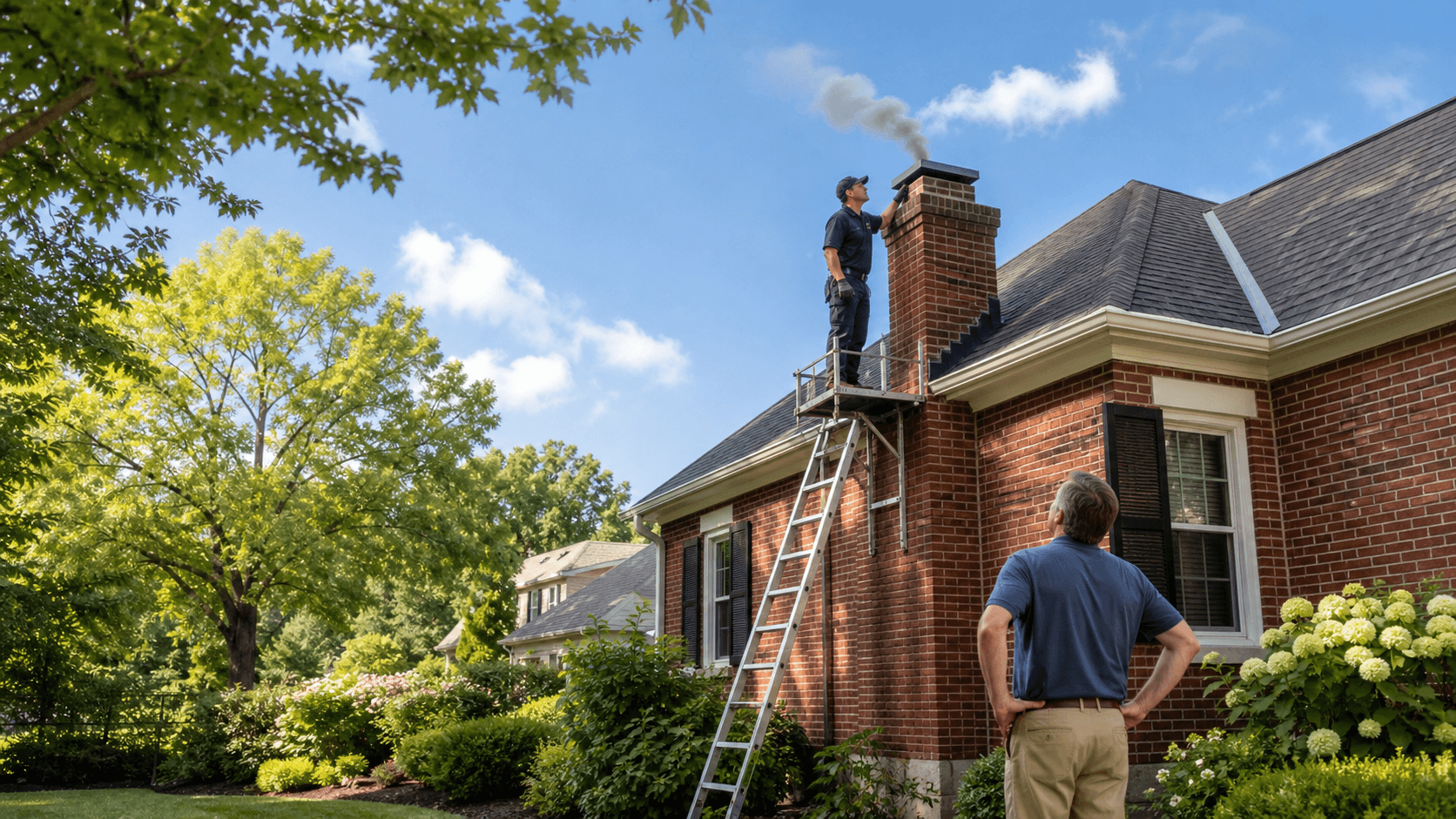
- Outdoors, stand in the yard with binoculars if you have them and scan the chimney from top to bottom
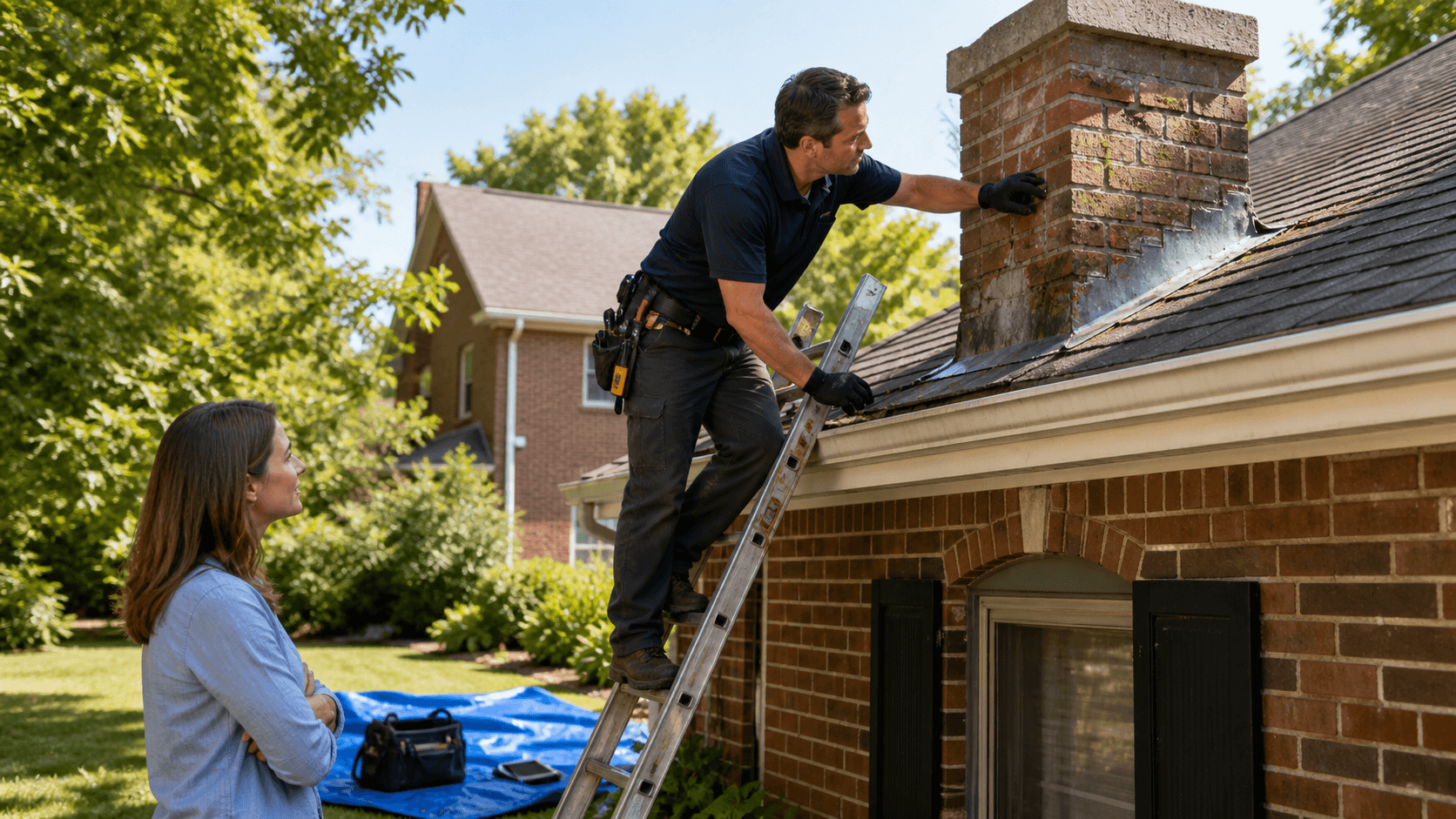
- Look at the crown area, visible bricks, and where the chimney meets the roof for cracks, gaps, or rusty streaks
- Take clear photos on your phone of anything that looks off, like new stains, white deposits, or damaged mortar
Safety is key. Keep these rules in mind:
- Do not climb on the roof or lean ladders in unsafe ways
- Do not stick your head deep into the firebox or reach up the flue
- Do not chip at brick, mortar, or the crown to "test" soft spots
- Do not set dehumidifiers or fans directly inside a dirty firebox, since they can move creosote dust into your living space
These checks are for watching and documenting, not fixing. Your notes and photos give a chimney technician a helpful starting point and can make the inspection and chimney leak repair process smoother.
When to Call a Pro for Chimney Leak Repair
Some warning signs mean it is time to bring in a professional, not just keep an eye on things. You should not wait if you notice:
- Musty or smoky odors that return after multiple storms
- New or growing ceiling stains near the chimney line
- Efflorescence that keeps coming back or spreads across more brick
- Visible brick cracks, missing mortar, or loose pieces of masonry
- Rusted metal parts inside the firebox, like doors, grates, or damper components
- Actual water dripping in the fireplace or puddles in the firebox
When we inspect a leaky chimney at Chimney Works, we focus on finding both the source and the path of the water. A professional visit might include:
- A visual and camera inspection of the flue to look for cracks or gaps
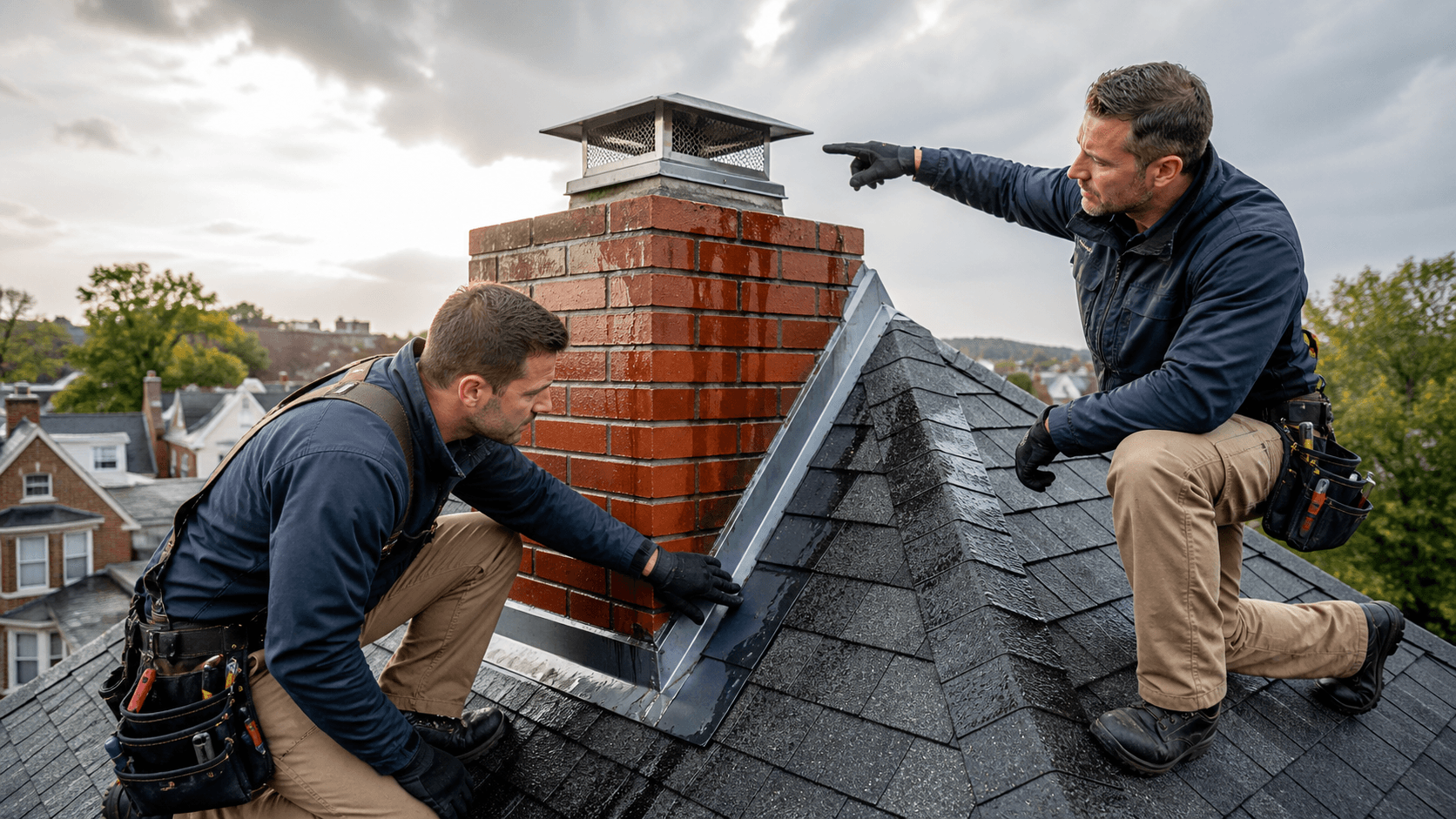
- A close look at the crown, cap, flashing, and exposed masonry
- Moisture checks on suspect areas, inside and outside
- Repair options tailored to your type of chimney, whether it is masonry or a factory-built system
Taking care of chimney leaks in late summer gives time for repairs and waterproofing before you are ready to use your fireplace again. That way, when cool weather arrives in the Cincinnati, Northern Kentucky, Southeast Indiana, and Dayton areas, your system is dry, safer to use, and ready for many more seasons.
Protect Your Home With Expert Chimney Leak Solutions
If you are seeing water stains, musty odors, or damage around your fireplace, our team at Chimney Works SEO is ready to help with trusted chimney leak repair. We will inspect your system, identify the source of the problem, and provide long-lasting repairs tailored to your home. Do not wait for a minor leak to turn into costly structural damage; reach out today through our contact page to schedule your appointment.