Summer Chill, Hidden Danger: CO Risks in Warm Weather
Carbon monoxide safety is not just a winter issue. In the Cincinnati area, late summer and early fall are prime times for hidden problems to show up in chimneys and vents. Even if you are not running your fireplace every day, your home can still be at risk from chimney carbon monoxide in Cincinnati.
Carbon monoxide, or CO, is often called the silent killer because it is colorless, odorless, and tasteless. You cannot see it, smell it, or taste it, and that makes it easy to miss until people start to feel sick. Any fuel-burning appliance that vents through a chimney or flue can create CO if something is wrong.
Chimneys, gas logs, and furnace flues all need a clear, safe path to move gases out of your home. When that path is blocked, damaged, or poorly designed, CO can leak indoors instead of going outside. That is why paying attention before cooler weather hits is so important for families in our area.
Why Chimney Carbon Monoxide in Cincinnati Peaks in Fall
Cincinnati weather tends to swing between warm days and cool nights as summer fades. Many homeowners start testing the heat on chilly mornings or turning on gas logs for a bit of comfort in the evening. This on-and-off use can expose problems that were hiding during the off-season.
Here is what often happens as the seasons change:
- The AC gets turned off and the furnace or boiler comes back on.
- Gas logs or fireplaces get used "just for a little while" on cool evenings.
- Damp, humid summer air has already worked on the chimney materials.
Those first few uses can push exhaust through flues that have sat unused for months. If there is a blockage, cracked liner, or hidden damage, CO may spill back into living spaces. You might notice a mild odor from the appliance, but you will not notice carbon monoxide itself.
Our area also has many older homes and historic masonry chimneys. With age, the liners, mortar joints, and chimney caps can weaken. Long periods of high humidity, heavy storms, and freeze-thaw cycles are hard on brick and clay. As that damage builds up, the risk of chimney carbon monoxide in Cincinnati homes goes up too, especially when heating systems first come back online.
How Chimney Problems Create Carbon Monoxide Indoors
Carbon monoxide issues almost always come down to one main problem: exhaust cannot get outside the way it should. Chimney and flue defects are a common cause. Over time, we often see:
- Cracked, broken, or missing chimney liners
- Blocked flues from bird nests, leaves, or fallen masonry
- Deteriorated brick and mortar that lets gases leak sideways
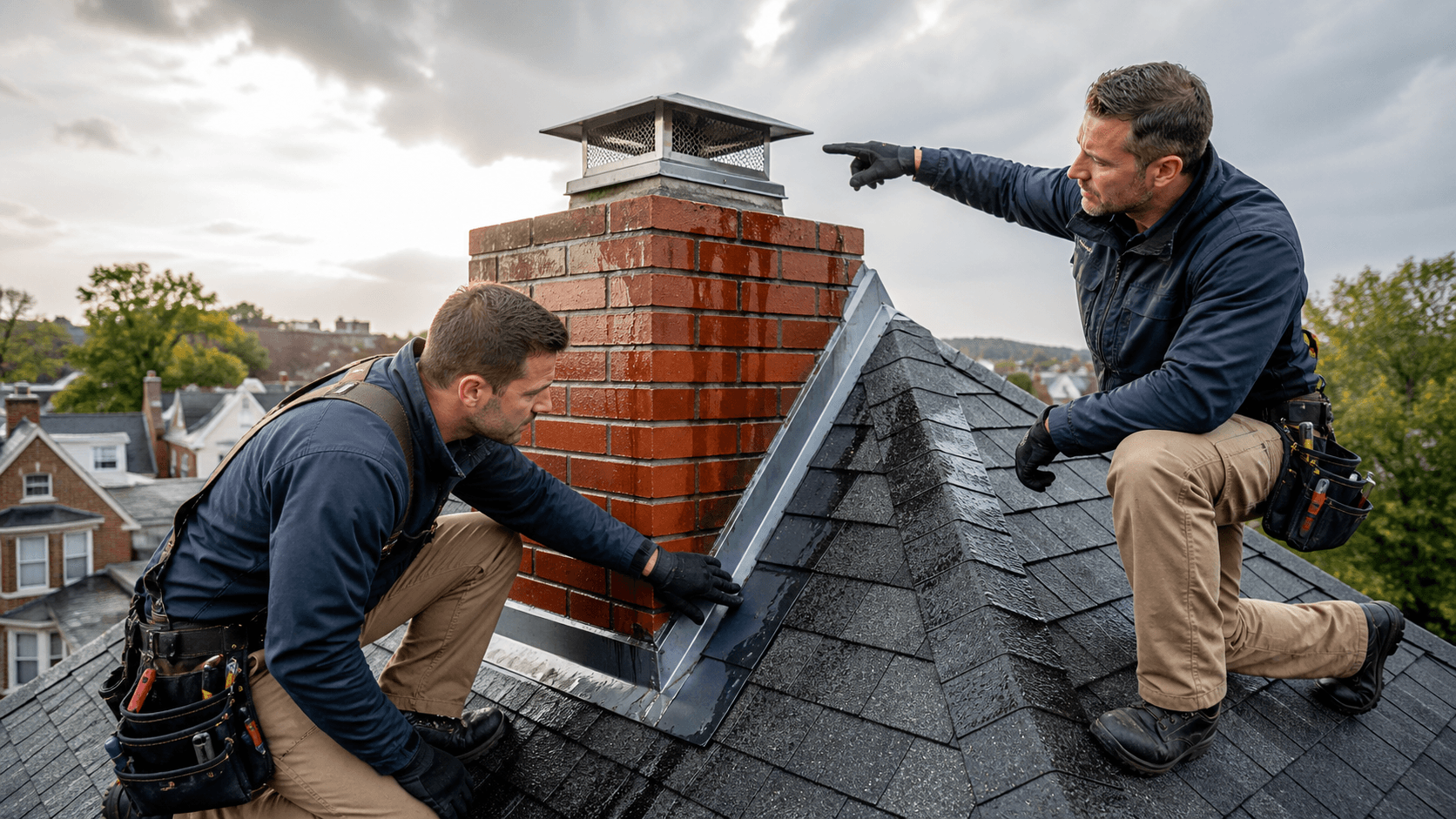
- Rusted, loose, or missing chimney caps that let water and debris in
Any of these problems can keep gases from rising and leaving the top of the chimney. Instead, those gases may slow down, swirl, and find the easiest way out, which can be into your home.
Modern homes in the Cincinnati area are also sealed tighter to save energy. That is good for comfort, but it can create negative air pressure. When powerful kitchen hoods, bath fans, or whole-house fans run, they pull air out. If the house cannot get enough fresh air from outside, it may pull air down the chimney or flue to balance things out. That backdraft can bring exhaust and CO along with it.
It is not only wood-burning fireplaces that need attention. Gas fireplaces, inserts, and furnace flues all rely on safe venting. If a vent pipe is undersized, loose, or sloped the wrong way, gases may not move out properly. Even if there is no strong smoke smell, you could still have a carbon monoxide problem building up over time.
Warning Signs of CO Trouble You Should Never Ignore
Carbon monoxide can be tricky because early signs can feel like a minor bug or just a long day. Many people first notice symptoms right when the weather turns cooler and heating appliances come back into use. Common signs of low-level exposure can include:
- Unexplained headaches, especially in certain rooms
- Nausea or an upset stomach that comes and goes
- Dizziness, lightheadedness, or feeling off-balance
- Fatigue or "flu-like" feelings that improve when leaving home
If those symptoms ease when you step outside or get worse when a fireplace, furnace, or gas log set is running, that is a red flag.
Your home and appliances may also give you clues. Pay attention to:
- Soot or dark staining around fireplaces, gas logs, or furnace vents
- Excess condensation on inside windows when appliances are running
- Stronger-than-usual odors from gas logs or other appliances
- Smoke that backs up into the room when the wind shifts
Any repeated smoke spillage, pilot lights that keep going out, or odd whooshing or whistling sounds from the flue should not be ignored. These signs are often more noticeable in late summer and early fall when you are just starting to use the system again. That is the ideal time to have a professional check the chimney and heating system before regular cold-weather use.
Summer and Fall Safety Steps for Peace of Mind
A smart way to lower the risk from chimney carbon monoxide in Cincinnati is to plan ahead during late summer or early fall. An off-season inspection gives time to find and fix issues well before the first real cold snap.
Some key safety steps include:
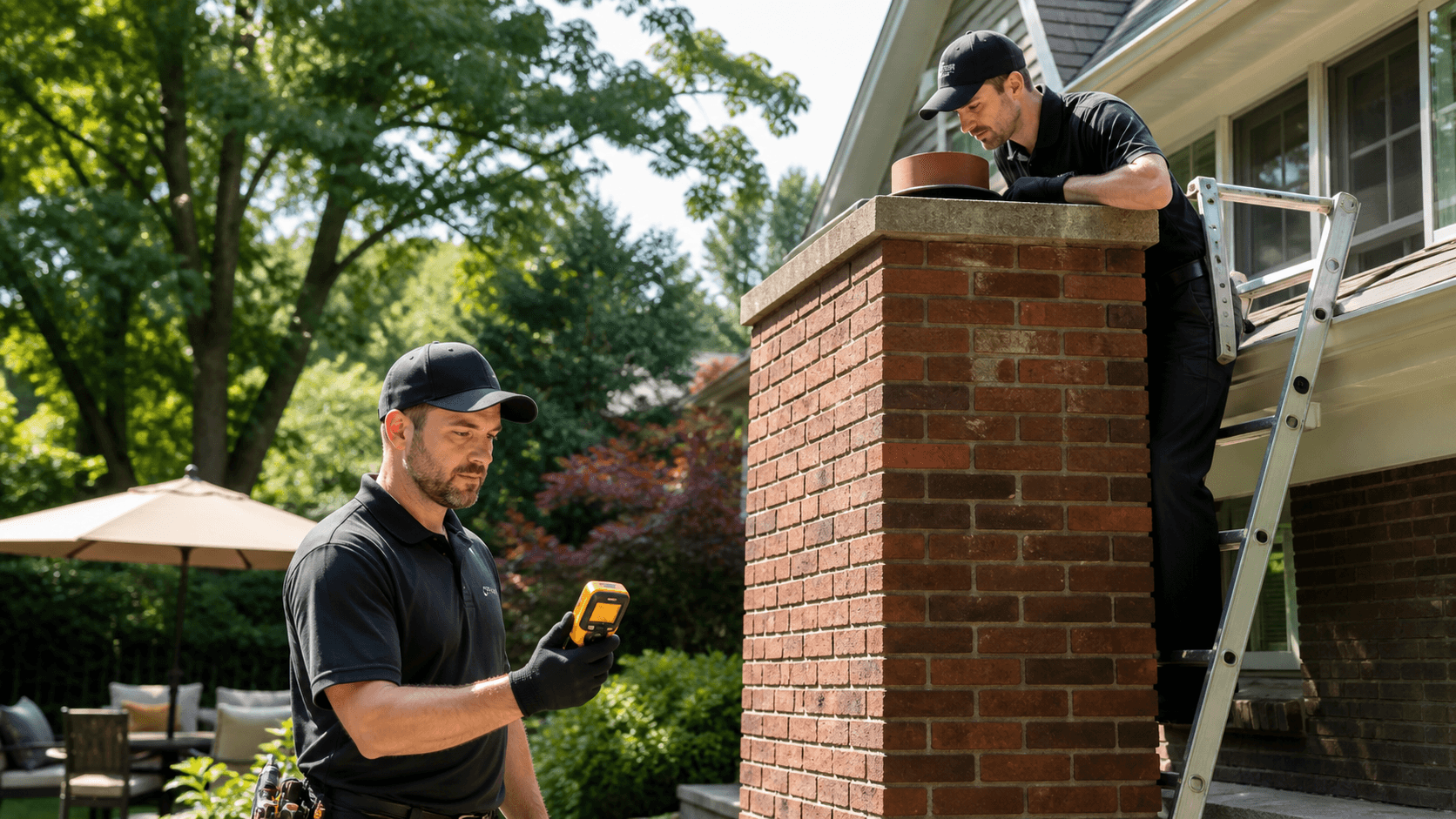
- Schedule a chimney inspection before steady heating use begins.
- Have HVAC and gas appliances serviced each year.
- Install carbon monoxide detectors on every level and outside bedrooms.
- Make sure appliances have enough combustion air, especially in tight homes.
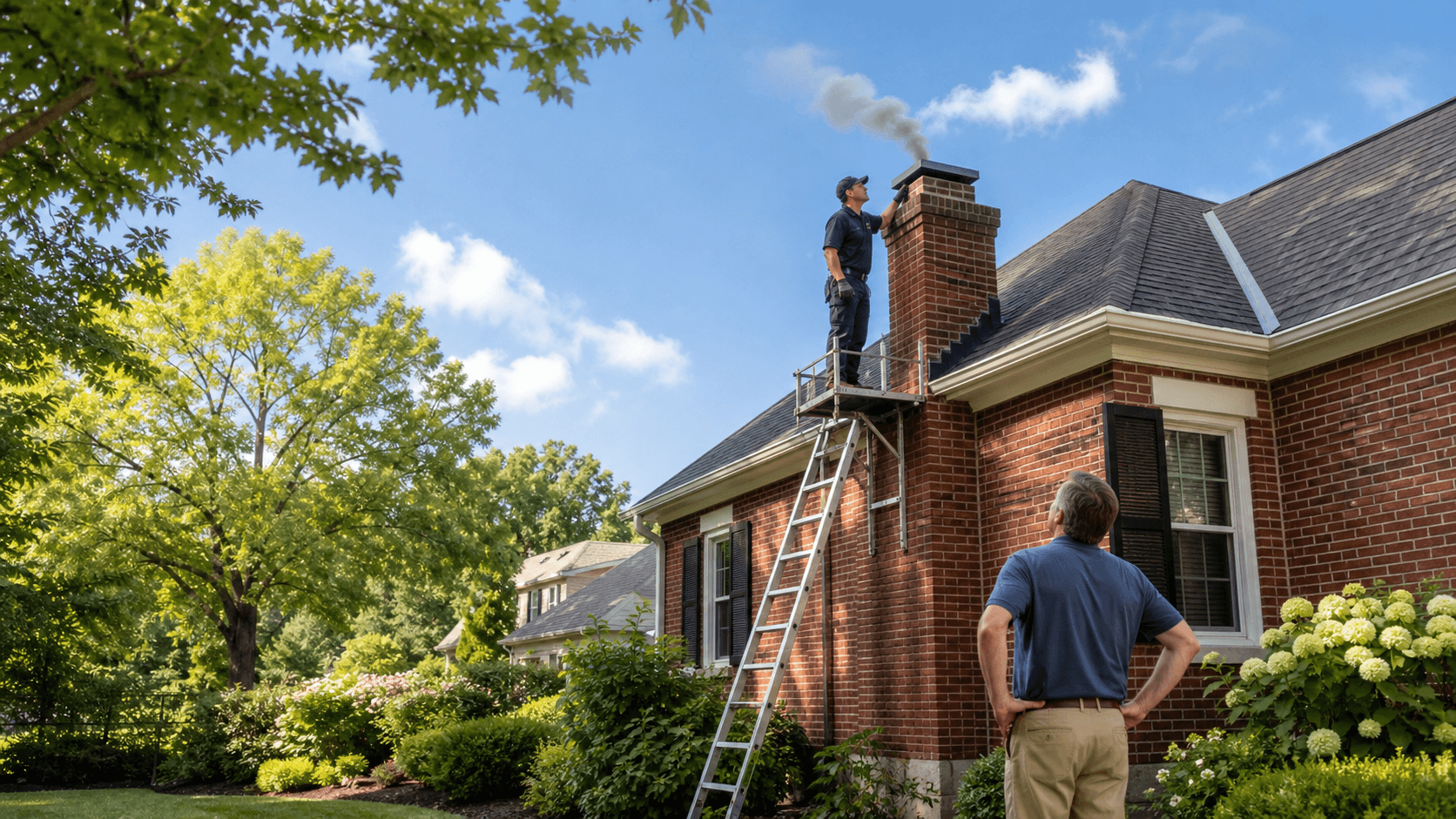
Homeowners can also build a few simple habits into their routine. Keep the firebox area tidy and free of heavy ash buildup. Open and close the damper only as directed for your system and confirm it is working, not stuck halfway. From the ground, glance up to see if the chimney cap looks straight, present, and secure. If something looks off, call a professional to take a closer look.
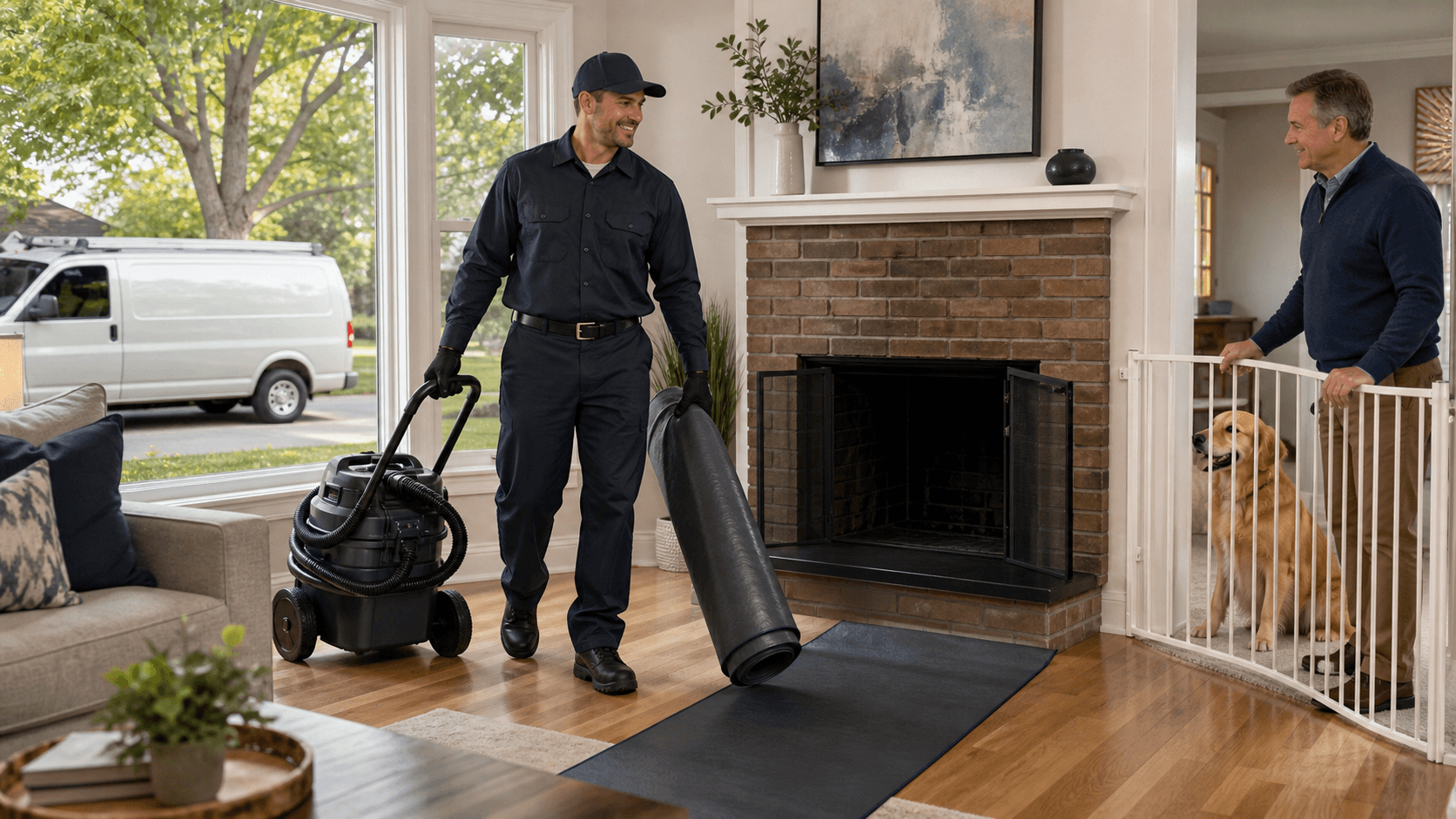
What you should avoid is DIY flue cleaning or patching chimney damage on your own. Chimney systems are more complex than they look, and quick fixes can hide bigger problems. A trained technician has the tools and knowledge to check areas you cannot see and to spot early warning signs. Regular professional sweeping is especially important for homes that burn wood, since creosote buildup adds to blockage and venting problems.
Protect Your Home Before the First Cool Night
As the air starts to cool across Cincinnati, Northern Kentucky, and Southeast Indiana, it is natural to think about cozy fires and a warm home. Before that first cool night hits, it pays to know that your chimney, fireplace, and flues are ready. A careful inspection and cleaning can uncover liner damage, loose masonry, or hidden blockages that might let CO enter your living spaces.
At Chimney Works, we focus on helping local homeowners keep their chimneys and fireplaces safe and reliable. When chimney systems are venting the way they should, you can enjoy your fireplace, stove, or furnace with more confidence as temperatures drop. Addressing chimney carbon monoxide in Cincinnati early, while the weather is still mild, gives you one less thing to worry about when real cold arrives.
Protect Your Home From Silent Chimney CO Risks Today
If you are concerned about the dangers of chimney carbon monoxide in Cincinnati, we are here to inspect, clean, and help ensure your system is venting safely. At Chimney Works, we use trained technicians and detailed evaluations to identify problems before they threaten your family's health. Schedule your service or ask questions about your specific chimney by using our contact page. Let us help you get peace of mind before the next heating season starts.