Spot Chimney Crown Trouble Before Winter Hits
A chimney crown problem usually starts small, then turns into a leak right when you need your fireplace most. For homes around Cincinnati, Northern Kentucky, Southeast Indiana, and Dayton, the crown has a big job. It helps keep rain, snow, and melting ice from soaking into the brick and running into your home.
As late August rolls in, the weather is still warm, but the cooler nights are not far behind. This is a smart time to think about chimney crown repair, before fall and winter heating season kicks in. You have time to notice early warning signs, talk with a pro mason, and get on the schedule before everyone else is trying to fix cold weather damage.
In this guide, we explain what a chimney crown is, what you can safely check from the ground, what work should always be left to a professional, and how long common repairs usually take in our local climate.
Understanding Chimney Crowns and Local Weather Stress
The crown is the concrete or masonry slab that sits on top of the chimney, around the flue. A well-built crown will:
- Be slightly sloped so water runs off
- Extend past the chimney brick so water drips clear of the sides
- Include a drip edge that breaks water away from the masonry
- Have a proper gap and seal around the flue so it can expand and contract
In the greater Cincinnati area, our weather is tough on crowns. We get hot, humid summers, cold winters, and quick temperature swings. Water seeps into tiny cracks, then freezes and expands. Over time, this freeze and thaw cycle can cause:
- Hairline cracks that slowly widen
- Spalling, where pieces of concrete pop off
- Gaps opening around the flue tile
When crown damage is ignored, that moisture has a clear path into the chimney structure. That can lead to leaks, damaged liners, stains on ceilings and walls near the fireplace, musty smells, and faster wear on the brick and mortar below. Fixing a crown early usually protects the rest of the system and can prevent bigger repairs later.
Safe DIY Checks You Can Do From the Ground
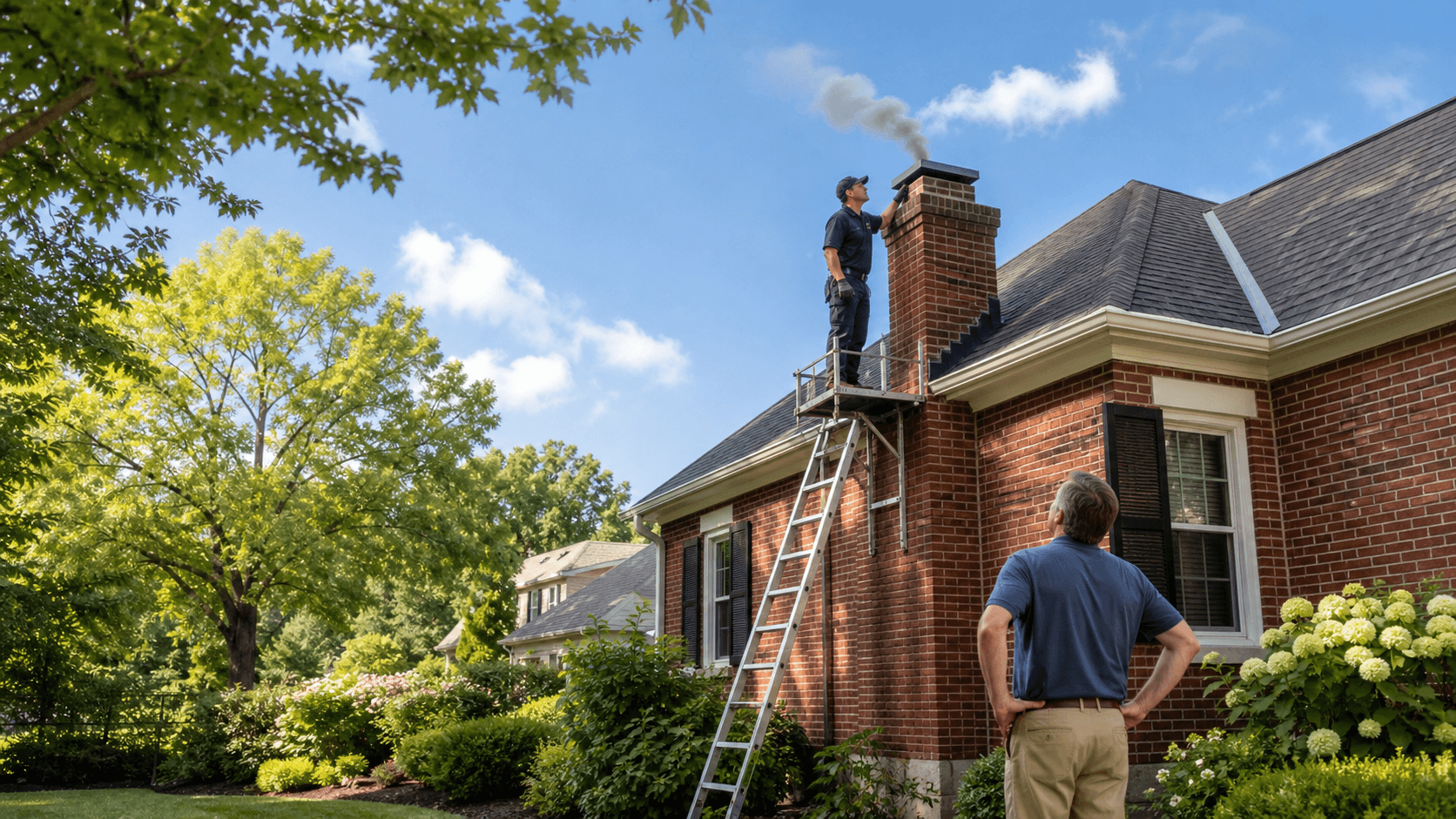
You do not need to climb on the roof to spot early trouble. There are a few simple, ground-level checks most homeowners can do safely.
From the yard, use a pair of binoculars and look at the top of the chimney. On a clear day, check for:
- Visible cracks across the surface of the crown
- Crumbling or missing edges
- Dark spots that might be pooled water
- A crown that looks flat instead of sloped
You can also watch for warning signs inside and around your home that might point to chimney crown repair needs:
- Water stains or bubbling paint on walls or ceilings near the chimney
- Rust on the damper, fireplace doors, or metal components
- Musty or damp smells after a rain
- Grit, small chunks of concrete, or sandy material in the firebox
- Dripping or trickling sounds inside the chimney during storms
If you spot anything, it helps to document what you see. You can:
- Take zoomed photos from different sides of the yard
- Note the date and recent weather in a notebook or phone
- Keep track of new stains or odors after each major rain
This record makes it easier for a chimney professional to understand what is happening and how long it has been going on.
What You Should Never DIY on a Chimney Crown
While simple checks from the ground are fine, work on the crown itself is not a DIY project. Roofs can be steep, high, and slick with late summer dew or after a brief shower. Without proper fall protection, one slip can be serious.
Beyond safety, chimney crown repair needs the right skills, tools, and materials. Tasks that must be left to trained masons or chimney technicians include:
- Evaluating the structure of the crown, chimney brick, and flue tile
- Chiseling out damaged or loose concrete
- Forming and pouring a new crown slab
- Rebuilding shoulders or upper chimney courses
- Sealing the flue opening with the correct products
There are also common DIY mistakes that cause more harm than good in our freeze and thaw weather. These include:
- Smearing generic caulk into cracks on top of the crown
- Painting on hardware store "waterproof" products that trap moisture
- Using the wrong mortar mix or just smearing mortar over old cracks
- Trying to level a flat crown with random patch material
These quick fixes can hold water in the crown instead of shedding it. When temperatures drop, that trapped moisture expands and can split the crown even more.
How Pros Diagnose Chimney Crown Damage in Cincinnati
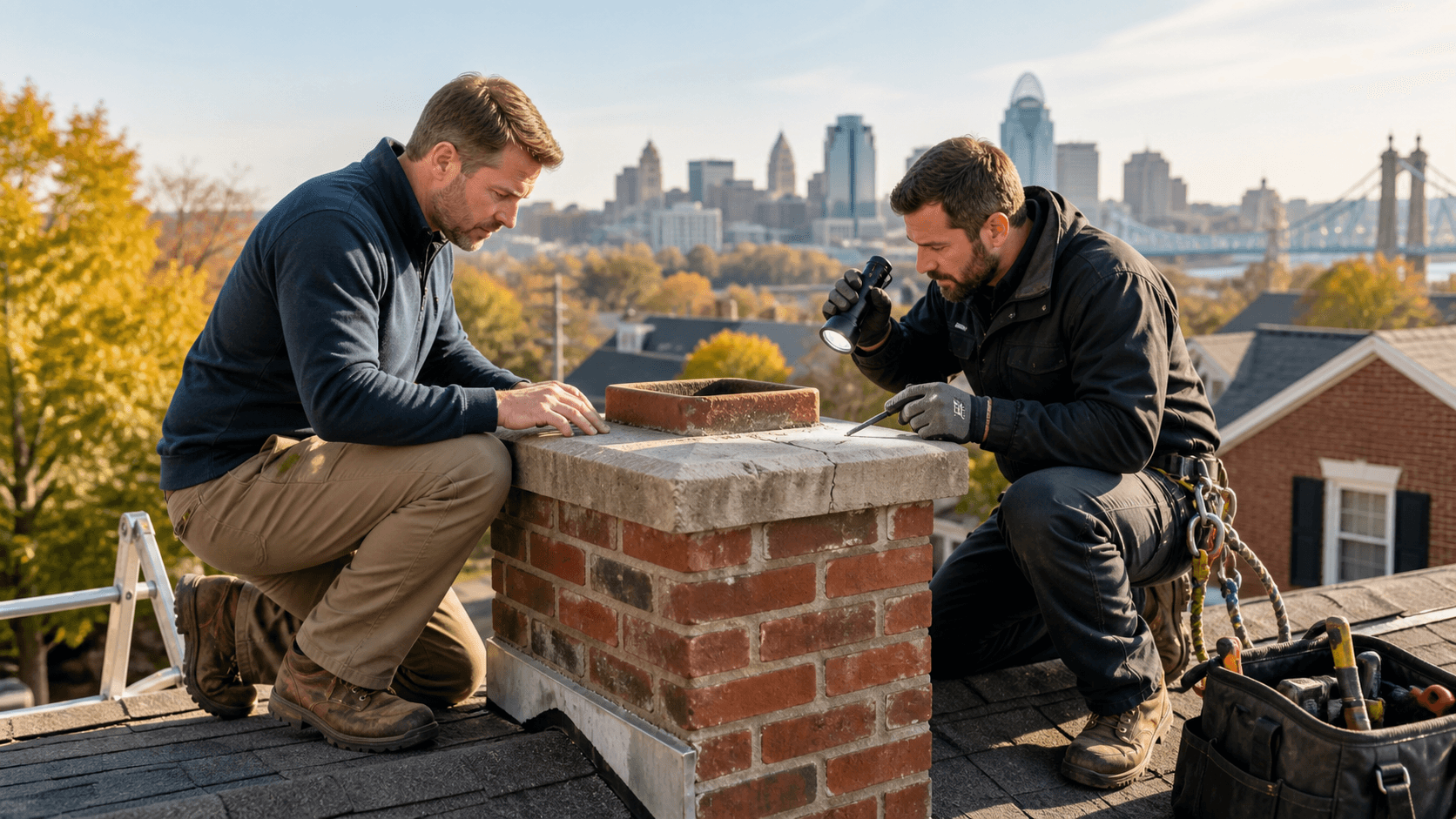
A professional chimney inspection goes far beyond what you can see from the yard. When we inspect a crown, we typically:
- Access the roof with proper ladders and safety gear
- Check the crown's slope, overhang, and drip edge
- Look closely for hairline cracks or soft spots
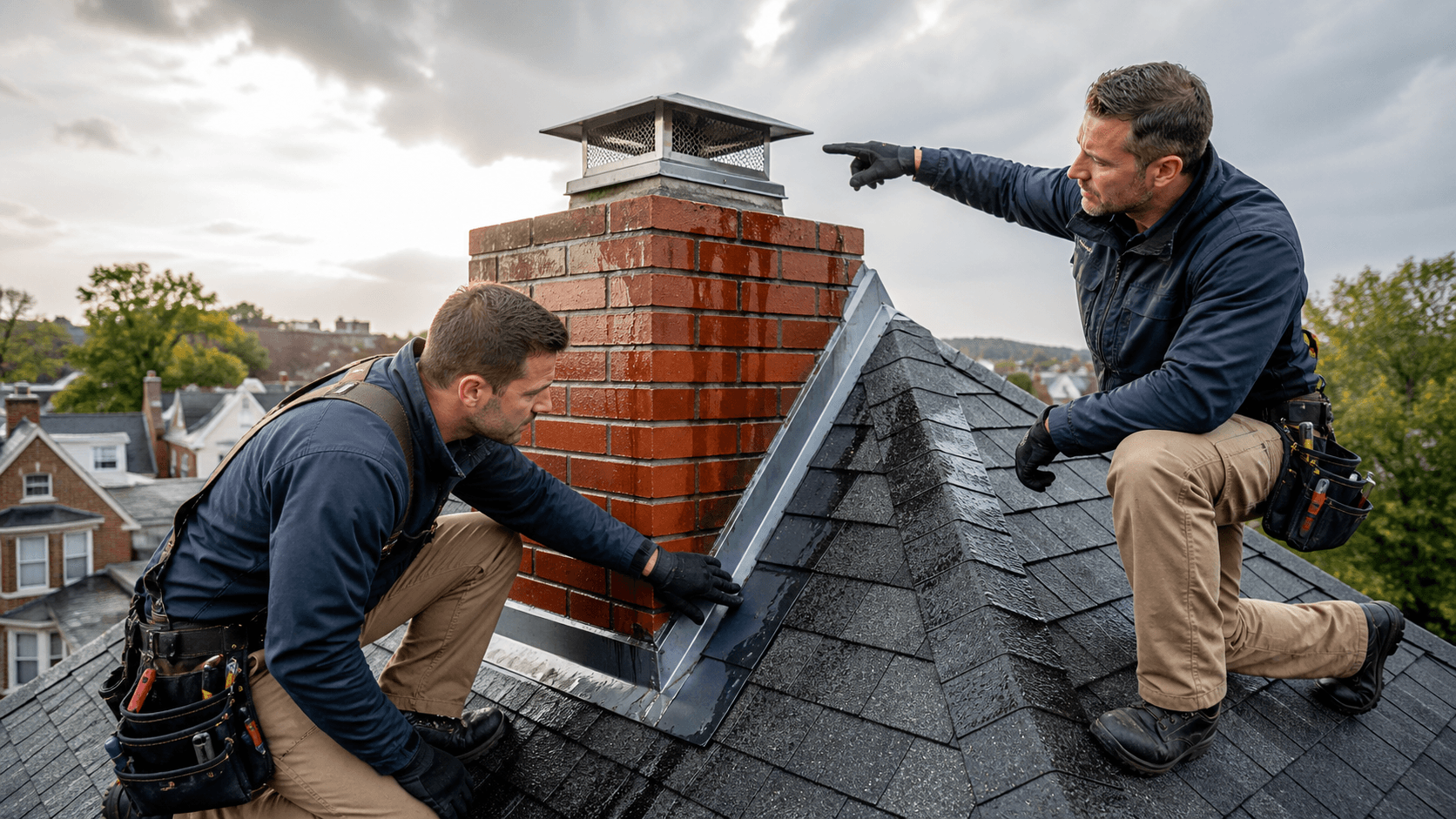
- Inspect the seal around the flue and the condition of the chimney cap
- Check nearby flashing and brick for related moisture issues
If there are signs of water getting inside the chimney, we may also inspect the flue interior, sometimes with cameras, to see if the damage is limited to the crown or if it has spread.
Experienced chimney masons can tell the difference between:
- Light, surface-level checking that can be treated
- Deeper structural fractures that weaken the crown
- Full crown failure caused by chimney movement or long-term leaks
We also pay attention to local factors, like which side of your chimney takes the brunt of prevailing winds, where ice dams tend to form on the roof, and how much sun exposure the crown gets. All of that shapes the best repair plan so the fix holds up through our regional weather.
Typical Repair Options, Timelines, and Seasonal Planning
Once the damage is understood, there are several common levels of chimney crown repair. The right choice depends on how worn the crown is and how long moisture has been getting in.
Typical options include:
- Minor crack sealing and specialized waterproofing products
- Resurfacing or coating systems that restore the top layer
- Partial rebuilds where only sections of the crown are replaced
- Full reconstruction with new forms, reinforcing, and concrete
Timelines usually range from a short visit for small repairs to multi-day projects for full rebuilds. Weather affects both scheduling and cure times. Very hot days, heavy rain, and early cold snaps can change when materials can be applied and how fast they set.
This is why late August and early fall are such good times to get on the calendar. You have better odds of:
- Getting repair work completed before the first big cold spell
- Avoiding the busy peak of heating season
- Giving new crowns or coatings enough mild weather to cure properly
When you plan ahead, you are less likely to go into winter with an active leak or a weakened chimney top.
When to Call a Pro for Chimney Crown Repair
There are some clear signs that it is time to bring in a professional chimney company, such as Chimney Works. You should call a pro if:
- You see cracks, missing chunks, or sagging on the crown from the ground
- You notice repeat water stains, damp spots, or musty odors near the fireplace
- You find pieces of crown material or sand-like debris in the firebox
- You are unsure whether it is safe to go on your roof
When we arrive, you can expect a thorough inspection, clear photos, and straightforward explanations of what is going on. We discuss whether a repair or full replacement makes the most sense, how long the work will take in our local conditions, and the best timing to ensure your chimney is ready for the colder, wetter months ahead.
Early attention to chimney crown repair helps protect your home, your fireplace, and your peace of mind, season after season.
Protect Your Chimney With Expert Crown Repair Today
If you are seeing cracks or leaks at the top of your chimney, our team at Chimney Works SEO can inspect the damage and recommend the right chimney crown repair solution. We focus on long-lasting fixes that help prevent water damage, masonry deterioration, and costly structural issues. Reach out today through our contact form to schedule an appointment and restore your chimney's protection.