Protect Your Lebanon Fireplace Before Fall Returns
A low-use fireplace still needs care, even when it sits quiet all summer. When the fire is out for months, hidden problems can build up where you cannot see them. By the time cooler weather comes back, that quiet chimney can be full of moisture, odors, and even animal nests.
Lebanon and the rest of Warren County see plenty of humidity, heavy summer rains, and active wildlife. All of that can work its way right into an unused chimney. In this article, we will look at how to keep moisture under control, stop odors, keep animals out, and why expert chimney cleaning in Lebanon before the first fall fire is a smart, low-stress move for your home.
Why Humidity Is a Hidden Threat in Low-Use Fireplaces
Summer air in our area holds a lot of moisture. When that humid air drifts into a cool chimney and meets soot or creosote, it can create sticky, smelly buildup that is hard to clear out. Long-term moisture can also be rough on metal parts and masonry, especially if the fireplace does not see much use.
Low-use or decorative fireplaces often stay cooler than the rest of the house. Cool, still air tends to trap moisture. Over time, that can lead to:
- Musty or smoky smells, even when the fireplace is clean
- Rust on dampers, liners, and stove parts
- Soft or crumbling mortar joints and small cracks in masonry
- Light mold or mildew growth in dark, damp areas
There are a few simple steps that can help keep moisture from sitting inside the system for months at a time:
- Keep the damper in the correct position for the season. In most cases, it should be tightly closed when you are not burning a fire, to block humid air from rising straight up the flue.
- Talk with a pro about a top-sealing damper at the top of the chimney. This type of damper can help keep rain, damp air, and downdrafts out while the system is not in use.
- Use a small dehumidifier nearby, especially in a damp basement or lower level. Drier indoor air means less moisture trying to settle in the chimney.
- Make sure the room around the fireplace is not sealed up tight. Gentle airflow and good home ventilation help reduce stale, damp pockets of air inside and around the hearth.
Keeping humidity in check in summer can make your fall and winter fires burn cleaner and smell better.
Stop Animal Nests and Debris with Caps and Screens
When the weather is warm, local birds, squirrels, and raccoons work hard to find safe, dry spots to nest and hide. An uncapped chimney looks like a ready-made shelter. To wildlife, a low-use flue with no fire for months feels like a quiet, safe place to move into.
That can lead to some real problems, especially when you go to light the first fire of the season. Nests, leaves, and other debris can:
- Block the flue so smoke and gases cannot rise out of the home
- Catch fire once you start burning again
- Leave behind droppings and nesting materials that smell bad
- Trap small animals inside, which can lead to very strong odors if they cannot get out
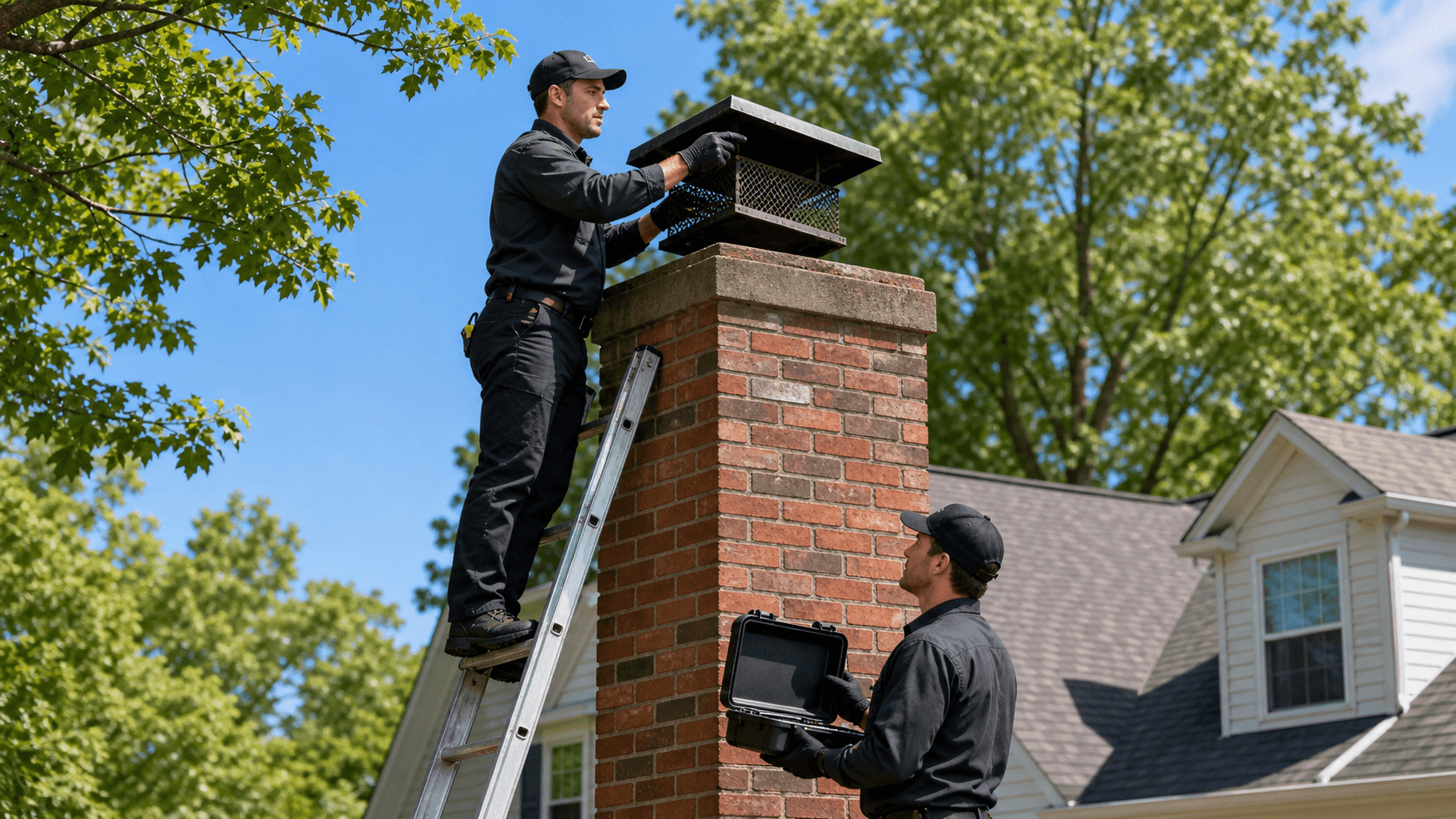
A properly sized chimney cap with a good spark arrestor screen is one of the best defenses against these issues. When a cap and screen are installed by a pro, they can:
- Keep birds, squirrels, raccoons, and other critters from entering the flue
- Help keep rain and leaves from dropping straight into the chimney
- Allow smoke and gases to flow out the top the way they should
- Protect the chimney crown from constant washing and erosion from rain
Even for a fireplace that is rarely used, a secure cap and screen help the system stay clean, dry, and ready when you finally want that cozy fire again.
Summer Odor Prevention for Little-Used Fireplaces
Many homeowners notice that their fireplace smells the worst on hot, muggy days, even if they barely used it last winter. That is because odors often come from a mix of creosote, soot, moisture, and airflow inside the house.
Common odor sources in a low-use chimney include:
- Old creosote and soot that were never fully cleaned out
- Ash and debris mixing with moisture in the firebox
- Animal nesting materials and droppings hidden up in the flue
- Negative air pressure in the home pulling chimney smells into living spaces
To help keep the fireplace from becoming the source of that "old campfire" or musty smell, it helps to build some habits at the end of each burn season:
- Have the firebox and any leftover ash cleaned out instead of letting it sit for months.
- Close tight-fitting glass doors, if your unit has them, to act as a barrier between the firebox and the room.
- Work with an HVAC or chimney professional to improve air balance so your home is not pulling hard on the chimney each time an exhaust fan or clothes dryer runs.
- Skip strong cleaners or harsh chemicals inside the firebox. These can leave behind fumes and residues that smell worse when the house warms up.
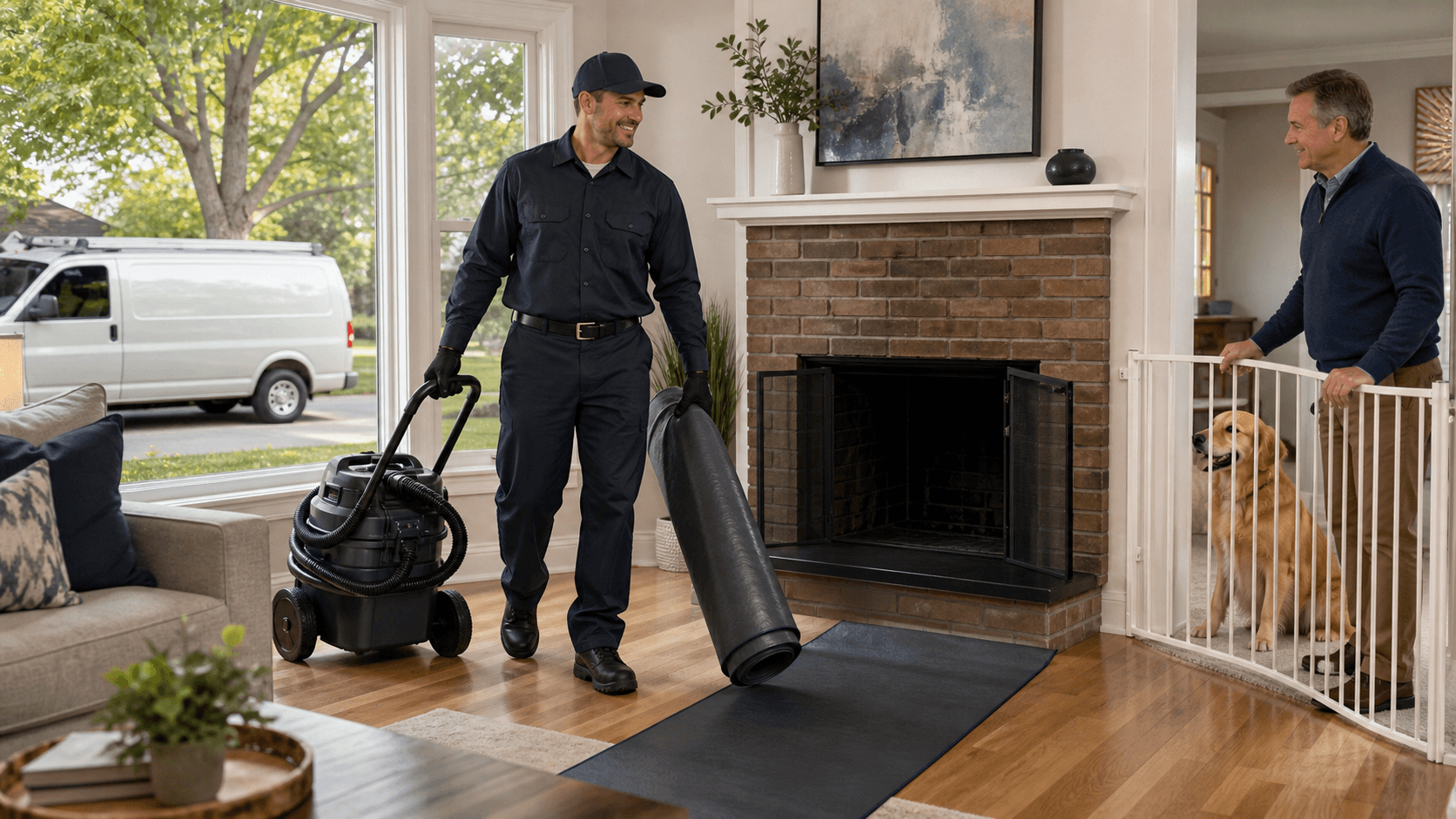
Expert chimney cleaning in Lebanon can remove built-up creosote and soot you cannot reach, look for pockets of hidden moisture, and suggest upgrades like top-sealing dampers that help block humid air and reduce summer odors.
When to Call an Expert for Summer Chimney Care
Late summer and early fall are smart times to get ahead of chimney issues. Schedules are often more flexible, and you can catch small problems before you are ready to use the fireplace again. It is much less stressful to discover an issue now than on the first chilly night when you want a fire.
Here are some signs that it is time to bring in a chimney professional:
- Persistent smoky, musty, or animal-like odors, even with the damper closed
- Brown, black, or white staining on the face of the chimney or around the fireplace
- Sounds of scratching, chirping, or fluttering from the chimney area
- A loose, missing, or visibly damaged chimney cap
- Bricks that are flaking or mortar joints that look cracked or open
- A damper that sticks, will not open fully, or will not close tightly
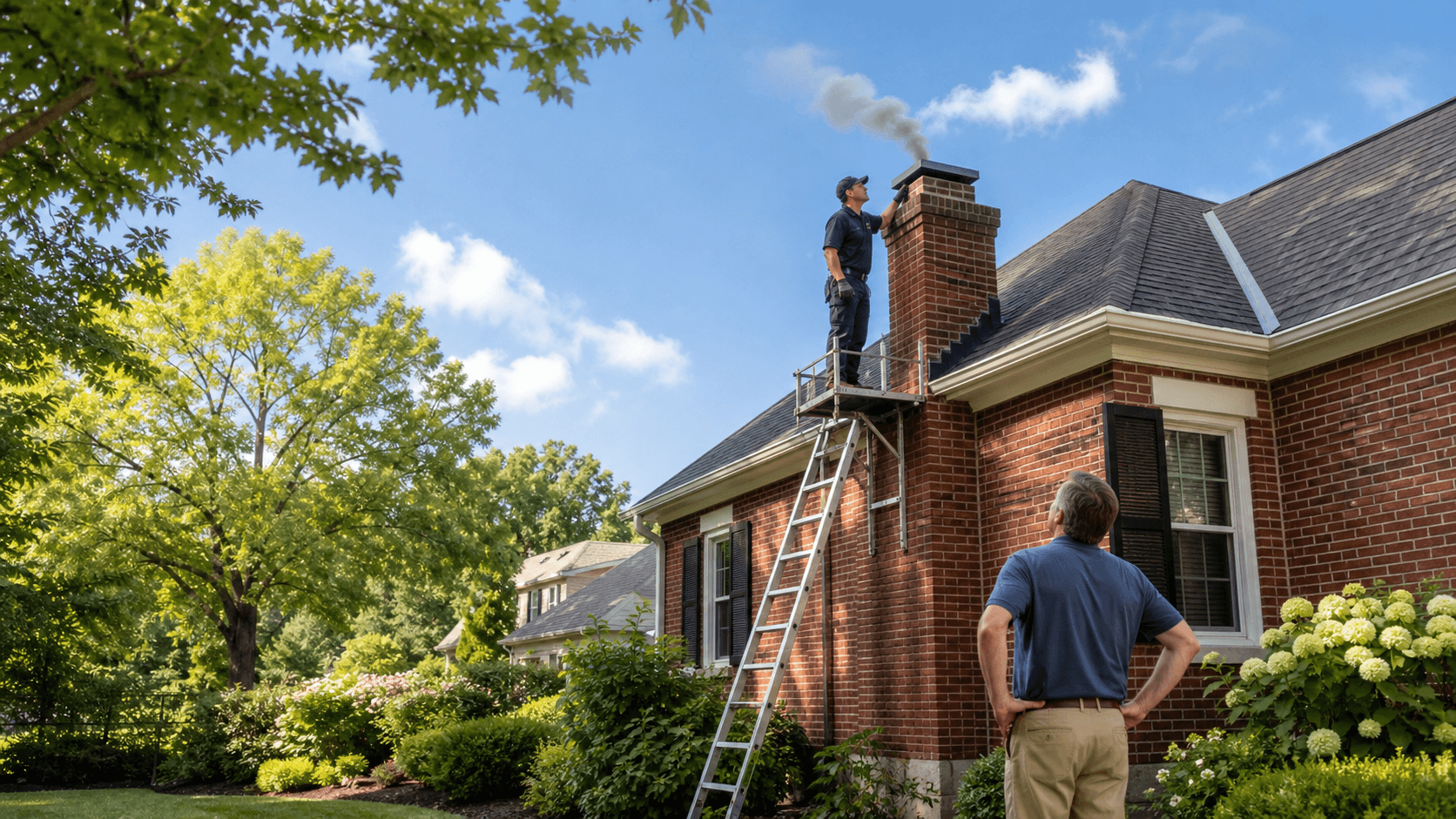
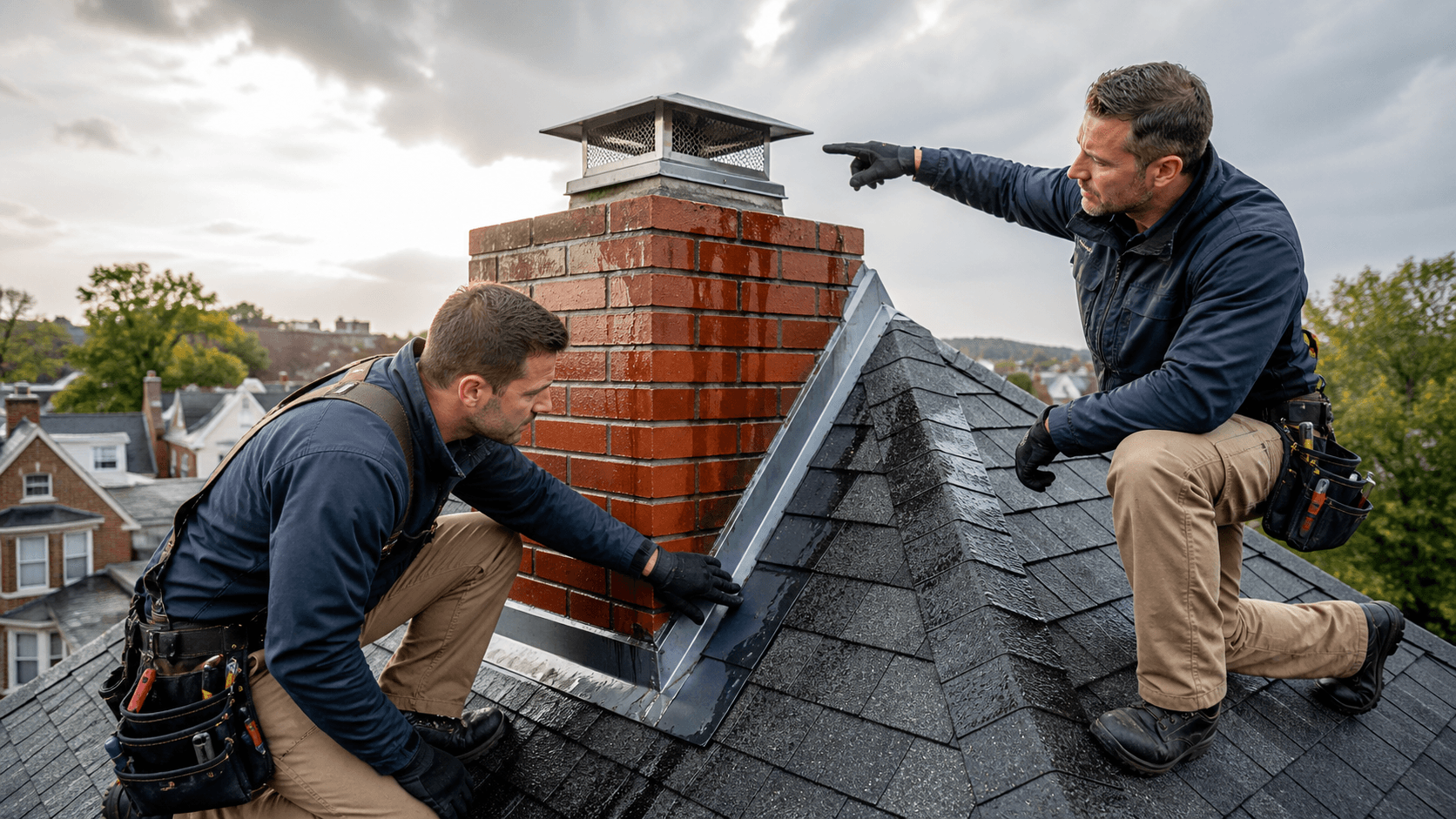
A trained sweep and inspector can check the full system from top to bottom. That includes flue condition, and chimney crown and flashing, inside moisture levels, and draft behavior. Many of these details are hard or unsafe for homeowners to evaluate on their own, especially when climbing or special tools are needed.
Schedule Your Lebanon Chimney Checkup Before Temperatures Drop
Summer and early fall act like a prep season for your fireplace. This is the time to make sure humidity has not caused damage, that animals have not moved in, and that your low-use system is still safe and ready to go. A little attention now helps your first cool-weather fire feel simple, warm, and worry-free.
With expert chimney cleaning in Lebanon, Chimney Works can clear out old soot and nests, repair or install caps and screens, and look for early signs of water damage or air leaks. For low-use or decorative fireplaces, we can also help set up a maintenance plan that matches how you actually use your hearth and how your home handles moisture and airflow.
Get Started With Your Project Today
If you are ready to make your fireplace safer and more efficient, we are here to help at Chimney Works. Schedule your expert chimney cleaning in Lebanon so our team can inspect, clean, and address any issues before they become costly problems. We will walk you through what we find and explain the best options for your home. To set up an appointment or ask questions, simply contact us.