Spotting Trouble Before Winter Hits
A worn or damaged chimney is more than an eyesore. It can let water into your home, weaken your fireplace system, and create safety risks when you start using heat again. Late summer and early fall are the best times for homeowners in Loveland to take a close look at chimney masonry repair needs so problems are handled before cold weather returns.
When temperatures drop, small cracks can turn into bigger ones as water gets in and freezes. That same moisture can travel into your attic, walls, and ceilings. It can also affect how your fireplace vents smoke and gases. That is why catching issues early helps protect both your home and the people in it.
Some chimney problems are obvious, like missing bricks or a chimney that is starting to lean. Others are harder to spot, such as slight mortar wear, faint stains, or a musty smell when the fireplace is not in use. We want to walk you through the red flags so you know when it is time to call a professional for chimney masonry repair in Loveland.
Visible Masonry Damage You Should Never Ignore
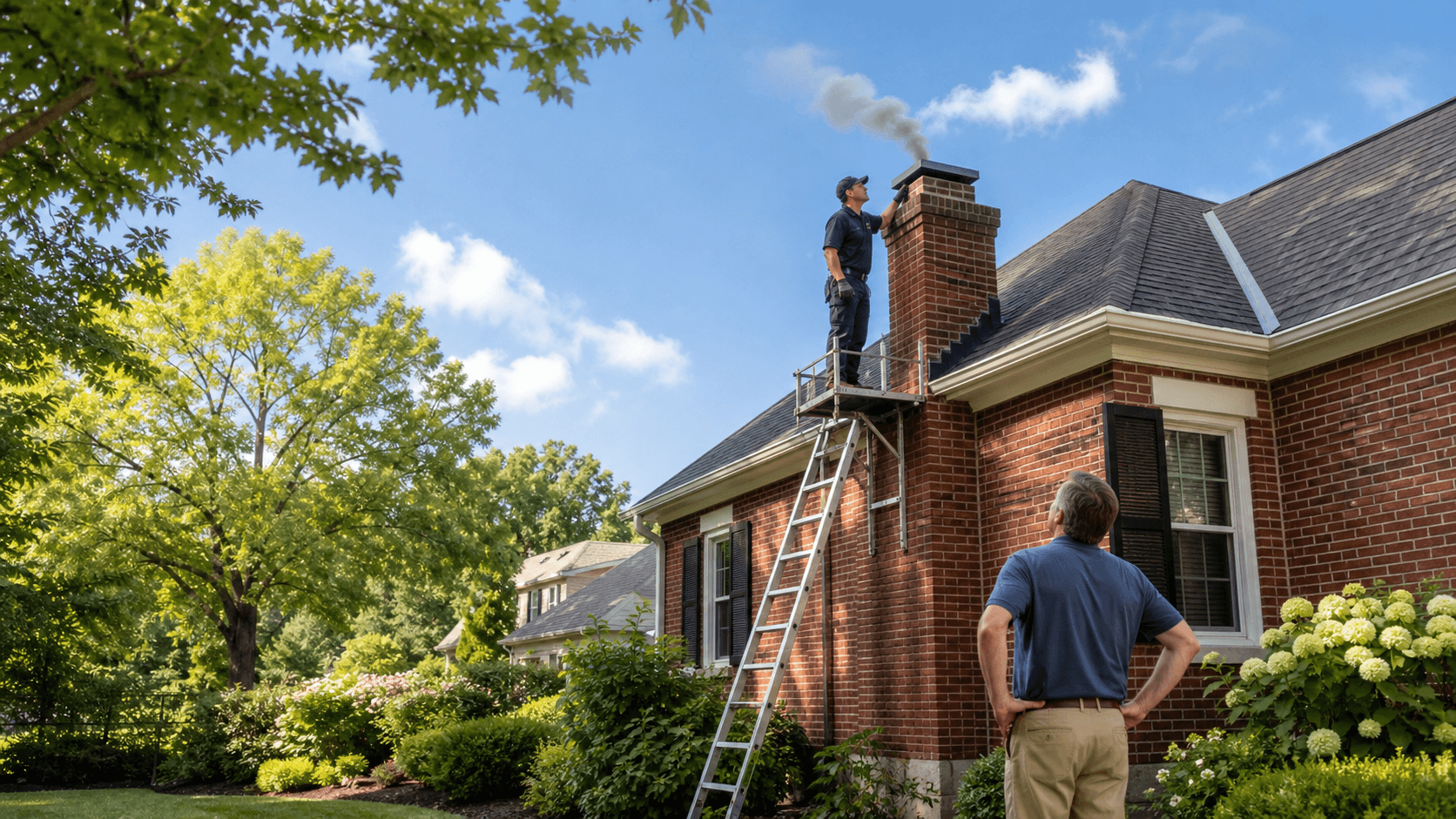
When you stand back in the yard and look up at the chimney, certain signs should always get your attention. Masonry is tough, but our local freeze-thaw cycles are tough on it too.
Watch out for damaged brickwork such as:
- Cracked bricks, even hairline cracks that run across the face
- Spalling bricks, where the surface is flaking, chipping, or popping off
- Missing bricks or bricks that look like they are pulling away from the stack
These problems often start when water seeps into tiny openings in the brick. As temperatures swing, that water freezes, expands, and breaks the surface apart. Once the hard outer shell is compromised, damage can spread faster and can lead to loose bricks and gaps that let in even more water.
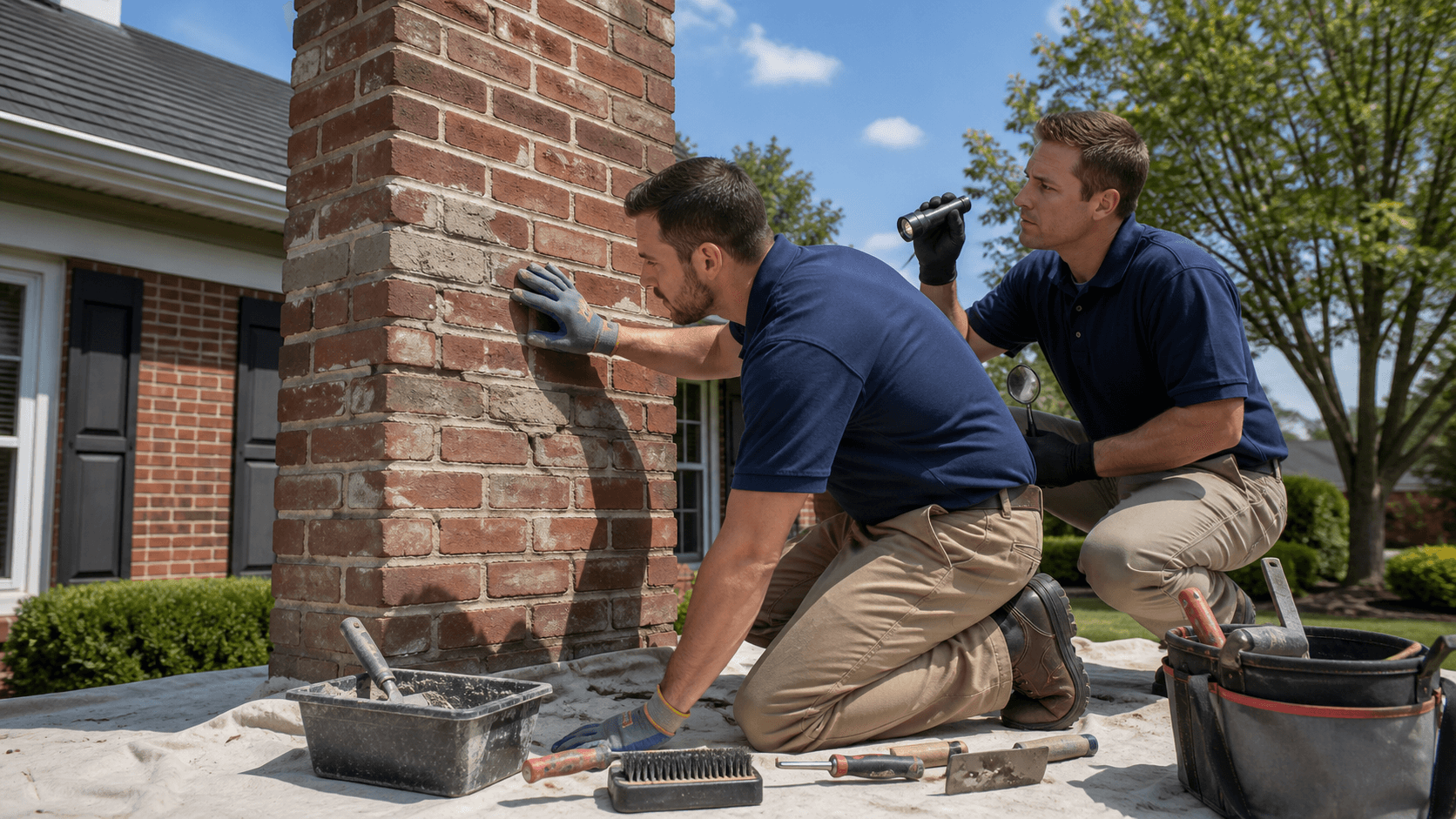
Mortar joints are just as important. If the mortar between the bricks looks like crumbling sand, has deep gaps, or is missing in spots, the chimney is slowly losing strength. Loose joints mean the bricks are no longer firmly locked together, which affects the entire structure.
A chimney that tilts, leans, or appears out of plumb is a serious red flag. You might notice a bow on one side or a shadow that looks off compared to the roofline. This is not something to brace with boards or patch with store-bought materials. Any sign of movement should be checked by a qualified chimney professional right away so the cause can be found and the right repair plan put in place.
Water Leaks and Interior Warning Signs
Not all chimney trouble shows up outside. Sometimes your home tries to warn you from the inside. Water has a way of following the path of least resistance, and that often means traveling along framing until it shows up far from where it started.
Keep an eye out for:
- Brown or yellow rings on ceilings near the chimney
- Peeling or bubbling paint on walls by the fireplace
- Soft or sagging drywall close to the chimney chase
These signs can point to issues with the chimney crown, flashing, or the masonry itself. If water is making its way in around the chimney, it can affect insulation, wiring, and wood framing long before you see actual drips.
You might also notice musty odors, dampness, or a white, chalky substance on the bricks, called efflorescence. That residue is left behind when water evaporates and brings salts to the surface. It is a clear clue that moisture has been moving through the masonry, which can speed up decay and shorten the life of your chimney.
Inside the fireplace, a rusted damper, warped metal parts, or crumbling firebox bricks suggest ongoing moisture problems. These pieces are designed to stand up to heat, so when they start to rust or warp, something is wrong. Often, these indoor signs are connected to larger issues outside that need timely chimney masonry repair in Loveland before you use the fireplace again.
Contractor Red Flags During Chimney Masonry Repair
Once you know there is a problem, choosing the right person to fix it is just as important as spotting it. Not every contractor who works with brick is experienced with chimneys, and some warning signs should make you cautious.
Be wary of contractors who will not provide a clear, written estimate. A good proposal should spell out:
- The specific areas of the chimney that need attention
- The repair methods they plan to use
- The materials they will use on bricks, mortar, crown, or flashing
- An expected timeline for the work
Vague promises without details make it hard to compare options and can lead to surprise changes later.
High-pressure tactics are another red flag. If someone is pushing a "today only" deal, uses scare language to rush your decision, or shows up uninvited with offers to fix your chimney on the spot, take a step back. Your chimney does need to be safe, but you also deserve time to ask questions and check credentials.
Before hiring anyone, ask for proof of insurance and information about their experience with chimneys specifically. Ask for local references and photos of similar chimney repairs they have done. A trustworthy pro will be happy to explain their background and how they approach safety and quality.
When a "Quick Fix" Is Actually a Big Problem
It is tempting to choose the fastest or simplest fix, especially if the damage looks small from the ground. The problem is that many quick fixes only cover up deeper issues.
One common shortcut is to rely heavily on sealants or surface coatings. When used correctly, certain products can help protect sound masonry. But when they are brushed over cracks, loose bricks, or missing mortar without fixing what is underneath, they act like a bandage. Moisture can get trapped inside the brick and mortar, which often makes the damage worse over time.
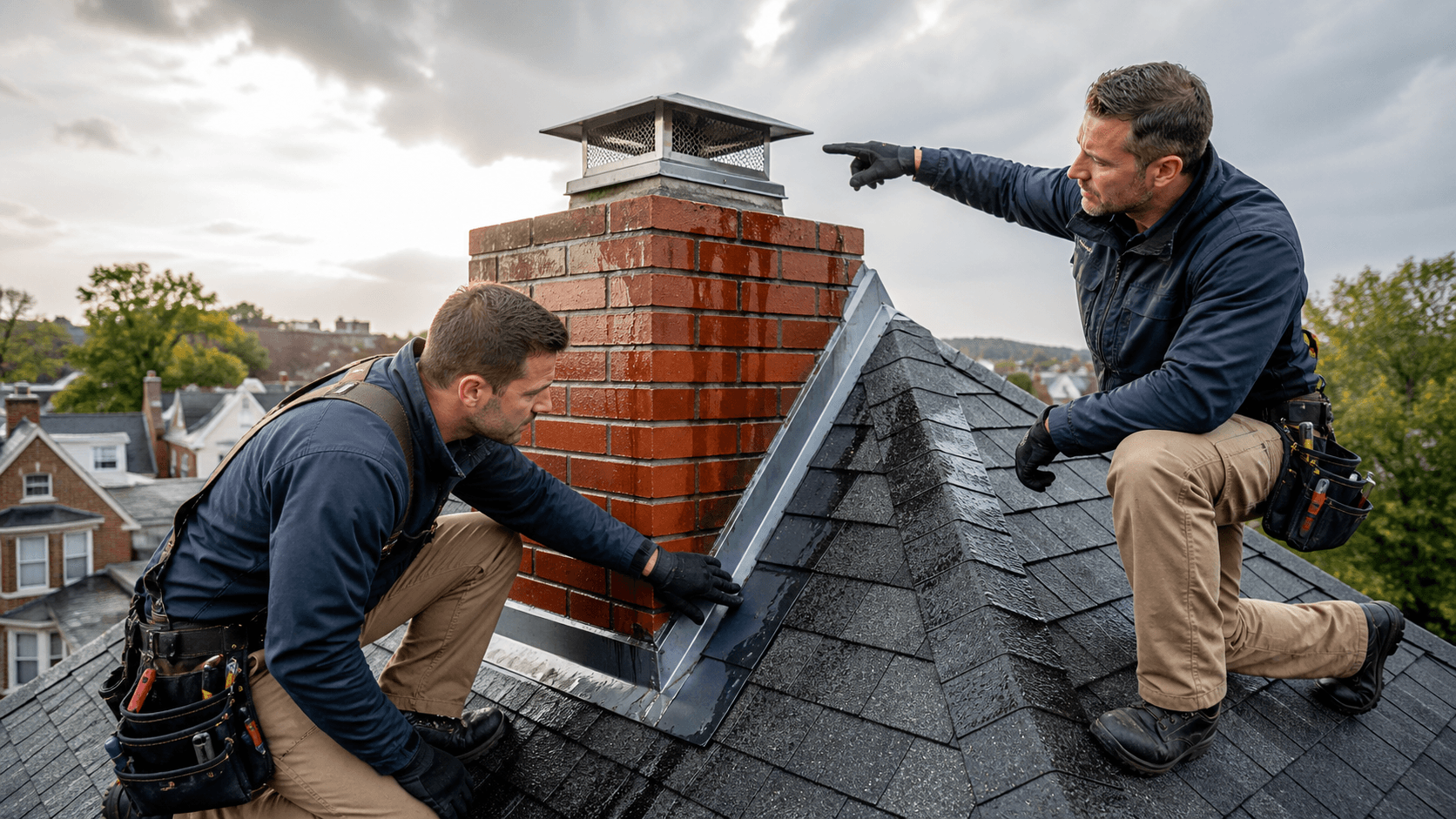
Another issue is ignoring the chimney crown or flashing. The crown is the concrete or masonry surface at the very top of the chimney, and flashing is the metal that seals the joint where the chimney meets the roof. If these parts are cracked, poorly shaped, or pulled away, water will keep getting in even if you repair visible brick cracks below. Solid brickwork cannot stay healthy if water is pouring in from above or around the sides.
If you find yourself calling for repairs in the same spot again and again, it usually means the earlier work did not address the root cause. At that point, a more thorough look at the entire chimney system is needed so a long-term plan can be put in place instead of one more patch.
Choosing a Trusted Chimney Mason in Loveland
When it is time for chimney masonry repair in Loveland, it helps to know what to ask before you hire someone. Good questions include:
- How much experience do you have with chimneys, not just general masonry?
- Are you familiar with local building codes and fireplace venting needs?
- Do you offer inspections, repair, and leak diagnostics as part of your service?
- Can you explain, in simple terms, what is wrong with my chimney and how you will fix it?
Planning ahead is also important. Late summer and early fall are ideal times for inspections and repairs, because work can be done before freezing temperatures and before fireplaces are in heavy use. That timing gives you more scheduling flexibility and helps you head into heating season with confidence.
As a full-service provider, we at Chimney Works focus on the whole system, not just one part. We work with sweeping, inspections, repairs, leak diagnostics, and fireplace installation for homeowners in the greater Cincinnati, Northern Kentucky, Southeast Indiana, and Dayton metro areas. When masonry issues are found, we look at how they connect to water entry, venting, and overall safety so you get repairs that are meant to last, not just quick patches.
Get Started With Your Project Today
If you are seeing cracks, loose bricks, or water damage around your chimney, now is the right time to schedule professional chimney masonry repair in Loveland with Chimney Works. We will inspect your system, explain what we find in clear terms, and provide solutions that protect your home and budget. Reach out to us today through our contact page to book an appointment or ask any questions about your chimney's condition.