Why Loveland Homeowners Should Never Ignore Chimney Cracks
Chimney cracks look small, but they are not something to shrug off. As nights start to cool down around Loveland and the greater Cincinnati area, most homeowners are getting ready to light the first fire of the season. Late September is a smart time to take a good look at your chimney so you can fix problems before your fireplace or stove is working hard every day.
When masonry starts to fail, even a thin crack can open the door to water, loose bricks, smoke problems, and safety risks. That can mean chimney fires, falling brick, or hidden carbon monoxide issues. The real goal is not to panic, but to ask smart questions. You can be careful and thoughtful about chimney masonry repair in Loveland without putting your home or family in danger, and we want to help you understand how.
Hidden Dangers Behind "Small" Chimney Masonry Damage
As fall rolls in, many homeowners notice little things on the chimney and think, "I'll deal with that later." Common signs we hear about include:
- Hairline cracks in the mortar between bricks
- Mortar that looks sandy, loose, or missing in spots
- Bricks that wobble when touched or look shifted
- White powder or staining on the brick surface
- Brick faces flaking or popping off in thin layers
These may not look serious from the ground, but they can point to real trouble. When water sneaks into cracks or weak mortar, it starts to move deeper into the structure. That can lead to:
- Moisture getting into interior walls or ceilings
- Weakened brick and mortar that cannot support the chimney weight
- Bits of brick or mortar falling into the flue and blocking airflow
- Smoke or carbon monoxide finding a path into the living space
Our local weather makes things worse. In the colder months, that trapped water freezes and thaws over and over. Water expands when it freezes, so tiny cracks grow larger each cycle. What looked like a small flaw in early fall can turn into loose sections or heavy damage by the end of heating season. Handling repairs before the hard freezes start gives your chimney a much better chance to stay strong and safe.
How to Question Chimney Repair Recommendations Safely
Being careful with your home is smart. It is normal to have questions when a technician suggests masonry work. The key is to ask the right things without putting off important safety repairs.
Here are helpful questions to ask any chimney masonry repair contractor in Loveland:
- What is causing the damage, and how do you know?
- Is this a safety issue, a structural issue, or both?
- What building codes or standards are you following?
- What materials will you use, and how long should they last?
- Are you offering a short-term patch or a long-term repair, and why?
You should also ask for clear photo or video documentation. A good technician can provide:
- Pictures of the problem areas from multiple angles
- Images from inside the flue when needed
- Progress photos as work is done
- Final photos once repairs are complete
This lets you see the same evidence they see, instead of relying on vague descriptions or scare language.
It is fine to get a second opinion, especially on larger repairs or rebuilds. The key is to balance healthy skepticism with common sense. If a technician warns you of an immediate safety concern, such as a blocked flue or heavy cracking near combustible framing, it may be wise to stop using the appliance until you have that second opinion. Question the plan, not the need for basic safety.
Spotting Trustworthy Chimney Masonry Repair Pros in Loveland
Not all chimney companies work the same way. When you are looking for someone to handle chimney masonry repair in Loveland, it helps to know what to look for.
Good signs include:
- Recognized industry certifications, such as CSIA
- Proof of insurance
- Local references from nearby areas like Cincinnati, Northern Kentucky, Southeast Indiana, or Dayton
- Written estimates that clearly spell out the scope of work
- Real experience with both chimney sweeping and masonry repairs
On the other hand, some warning signs should make you cautious:
- High-pressure same-day "deals" that disappear if you want time to think
- Scare tactics without clear photos or videos to back up the claims
- Vague or shifting pricing
- Unwillingness to explain repair options in plain language
A local company that works on chimneys across our region day after day will understand our weather, our building styles, and the common patterns of damage we see in brick and mortar here. That kind of experience helps you get an accurate assessment and a repair plan that respects both your safety and your home.
Repair Options From Simple Tuckpointing to Full Rebuilds
Chimney masonry repair in Loveland can mean many different things. The right fix depends on what is going on with your specific chimney.
Common repair options include:
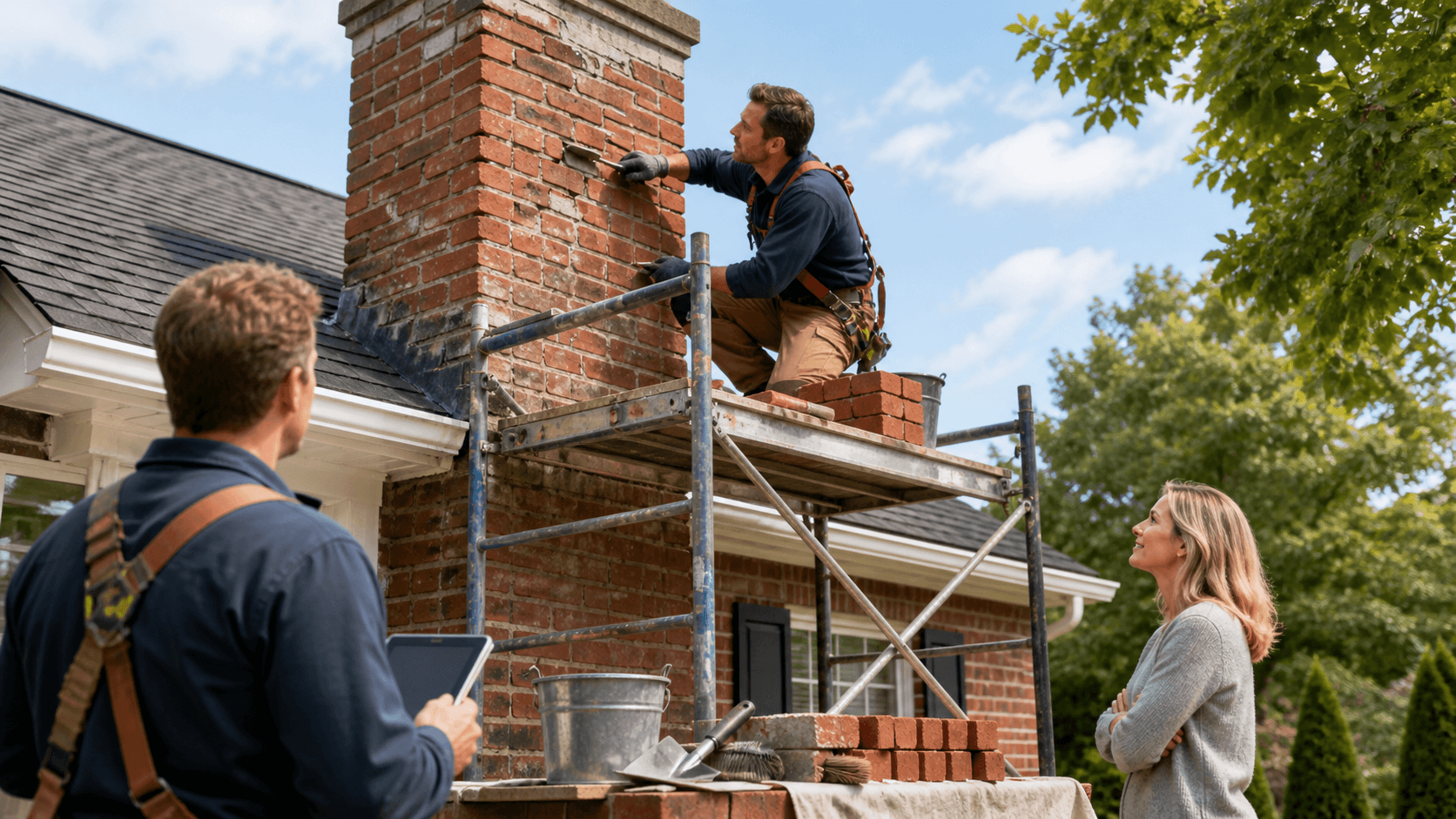
- Tuckpointing, which removes failing mortar and replaces it with fresh mortar
- Chimney crown repair or replacement to seal the top and keep water out
- Replacing cracked or spalled bricks with sound bricks
- Applying a breathable waterproofing product to help block future moisture
Some chimneys need more extensive work. When the damage has reached deeper levels, your technician may suggest:
- Partial or full chimney rebuilding to restore strength and stability
- Installing or repairing a liner if the interior flue is damaged
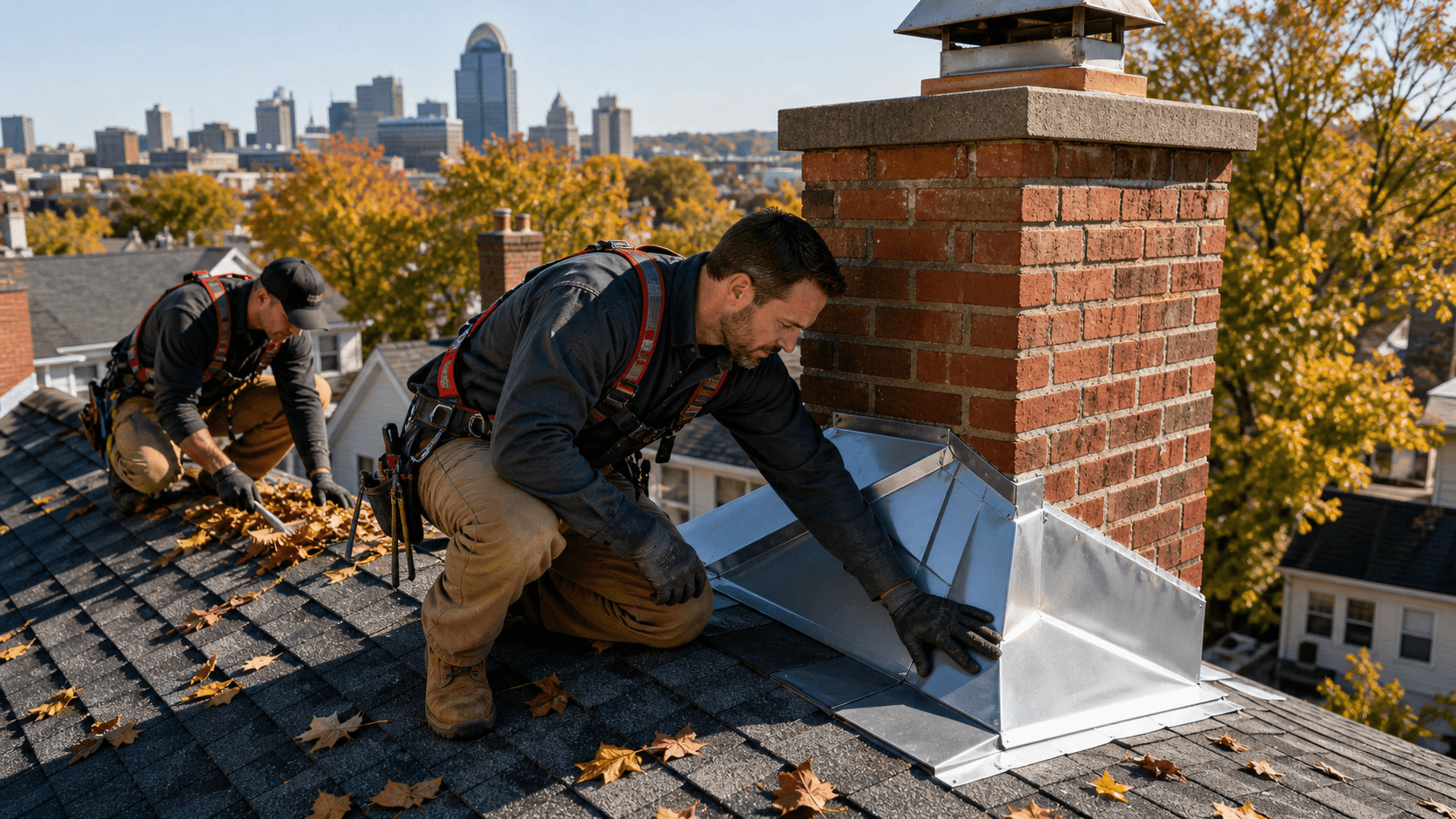
- Adding or fixing a chimney cap to help keep out rain, animals, and debris
A qualified chimney technician will look at the age of your chimney, how often you use your fireplace or stove, and how far the damage has spread. They should be willing to talk about different options, explain how each one affects safety, and help you balance long-term protection with your current budget.
Prepare Your Loveland Chimney for a Safe Heating Season Now
As the heating season approaches, it is smart to get ahead of problems instead of waiting for the first very cold night. Chimney inspections and masonry repairs tend to book up quickly once everyone starts using their fireplaces and stoves again, so planning ahead gives you more choice and less stress.
Before your chimney appointment, you can get ready with a simple checklist:
- Note any cracks, gaps, or loose bricks you can see from the ground
- Pay attention to drafts, smoke backing up, or strange odors when you use the fireplace
- Think about any past chimney problems, like leaks around the chimney or staining on walls and ceilings
- Make a list of questions you want to ask about safety, materials, and repair options
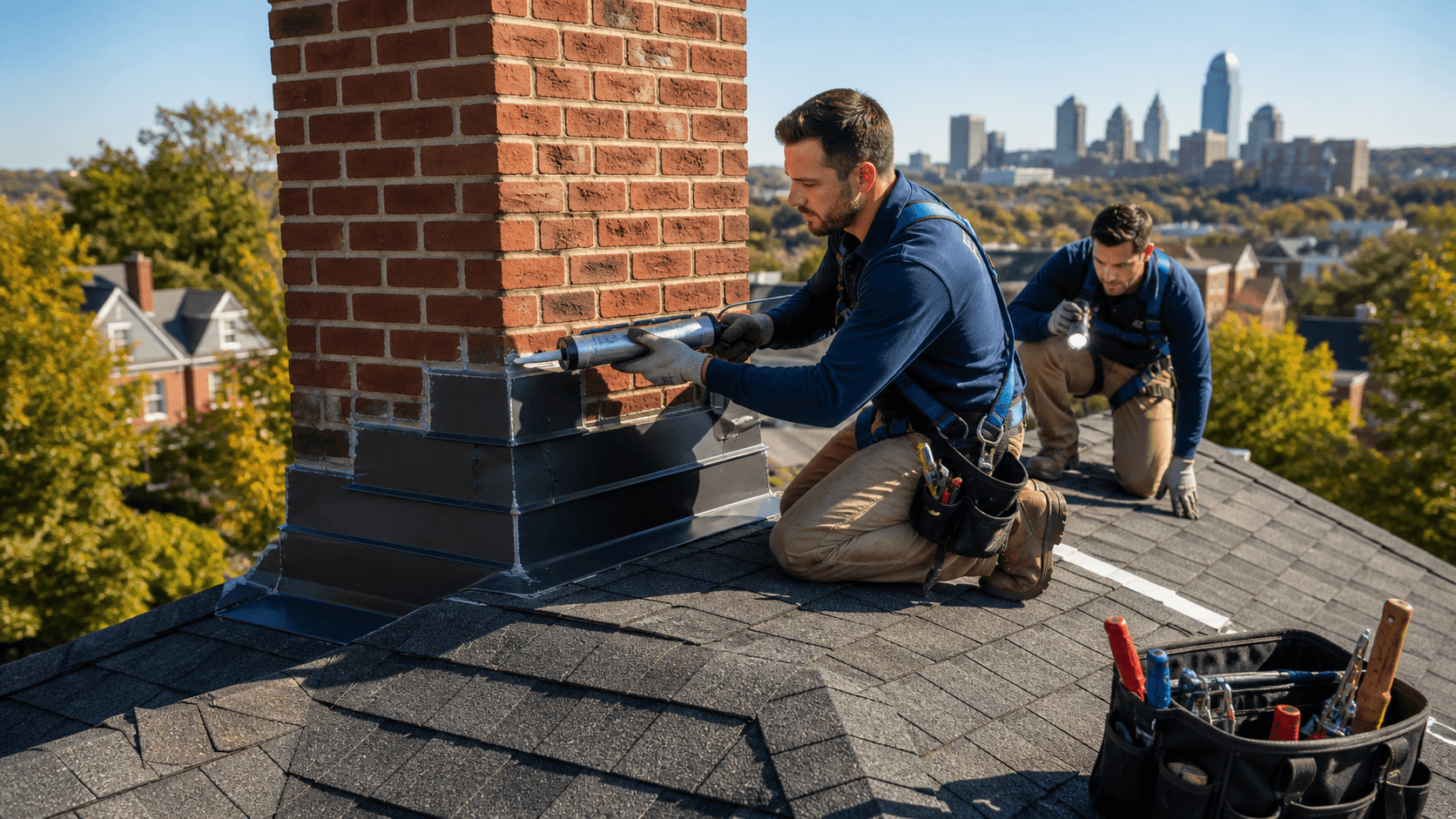
When you work with a professional team like Chimney Works, you should expect a clear explanation of what they find, honest answers to your questions, and solid documentation of any recommended chimney masonry repair in Loveland or the surrounding areas. That way you can question everything that needs to be questioned, say yes only to work that makes sense, and still keep your home and family safe when the temperatures drop.
Protect Your Chimney Investment With Expert Local Repairs
If your chimney is showing cracks, loose bricks, or water damage, our team at Chimney Works SEO can help restore its safety and appearance with professional chimney masonry repair in Loveland. We take the time to assess the full condition of your chimney so the repairs we recommend actually solve the problem, not just cover it up. If you are ready to schedule an inspection or have questions about what your chimney needs, simply contact us and we will walk you through the next steps.