Recognizing Chimney Sweep Needs for Loveland and Nearby Homes
A safe, easy-to-use fireplace starts with a healthy chimney. When your chimney is clean and working the way it should, fires light faster, your home feels more comfortable, and you have less worry about smoke or hidden damage.
As fall settles in across Loveland and surrounding areas, this is a smart time to look closely at your chimney and fireplace. A few simple warning signs can tell you when it is time to bring in a professional chimney sweep near Loveland, OH, for a full inspection and cleaning. We will walk through those signs, how local weather affects your chimney, and what you can expect when you work with an experienced regional chimney company.
Spot Early Warning Signs Before Winter Hits
When the temperatures start to drop, many homeowners think about their first fire of the season. Before that happens, it helps to ask one simple question: is the chimney ready for it?
A neglected chimney can lead to:
- Smoke backing up into living spaces
- Poor heating from your fireplace or stove
- Thick creosote buildup that can catch fire inside the flue
The good news is, you do not need to climb on the roof or take anything apart to notice that something may be wrong. By watching for a few early warning signs around the firebox, damper, and nearby walls and ceilings, you can catch issues long before they turn into winter emergencies.
In the next sections, we will cover the most common signs of trouble, how Loveland's damp, changing climate affects masonry and metal parts, when to plan regular service, and why working with a local, experienced team makes a difference for your home and your peace of mind.
Common Signs Your Chimney Needs Attention
Your fireplace and chimney often tell a story after every fire. You just need to know what to look for and smell.
Visible clues include:
- Black, flaky buildup on the damper or firebox walls
- Heavy soot coating on glass doors that is hard to wipe away
- Oily or tar-like deposits that hint at creosote buildup
You might also notice strong smoky or campfire odors, even on days when you have not had a fire. Lingering smells can point to creosote, airflow problems, or moisture inside the flue.
Performance issues are another warning:
- Fires that are hard to start or keep burning
- Smoke slipping out into the room when you open the doors
- A fireplace that used to warm the space well, but suddenly feels weak
Pay close attention to safety red flags. These call for professional service right away:
- Small pieces of tile, brick, or mortar falling into the firebox
- Bits of sticks, leaves, or nesting material from animals or birds
- Water stains, bubbling paint, or brown rings near the chimney or on the ceiling
- Strong downdrafts on windy days that push cold air or smoke into the room
Even if you have a gas fireplace, insert, or log set, regular checks are still important. With gas appliances, you may not see soot, but you can still have venting problems, burner issues, or carbon monoxide concerns. Any odd smell, flickering flame pattern, or frequent pilot light failures are good reasons to have a professional check the system and venting.
How Loveland's Climate Impacts Your Chimney
Living in the Greater Cincinnati and Loveland area means dealing with damp air, heavy rains, and frequent freeze-thaw cycles. All of that weather puts extra stress on chimneys.
Here is what that can look like over time:
- Moisture soaking into bricks and mortar joints, then freezing and expanding
- Small cracks in the chimney crown growing wider with each temperature swing
- Rust forming on metal components like dampers, chase covers, and caps
Those constant shifts from cold to mild and back again can turn hairline cracks into real pathways for water. Once water gets into your chimney structure, it can cause:
- Interior leaks and water stains around mantels or nearby walls
- Soft, crumbling mortar joints between bricks
- Hidden damage behind walls and in attics where the chimney passes through
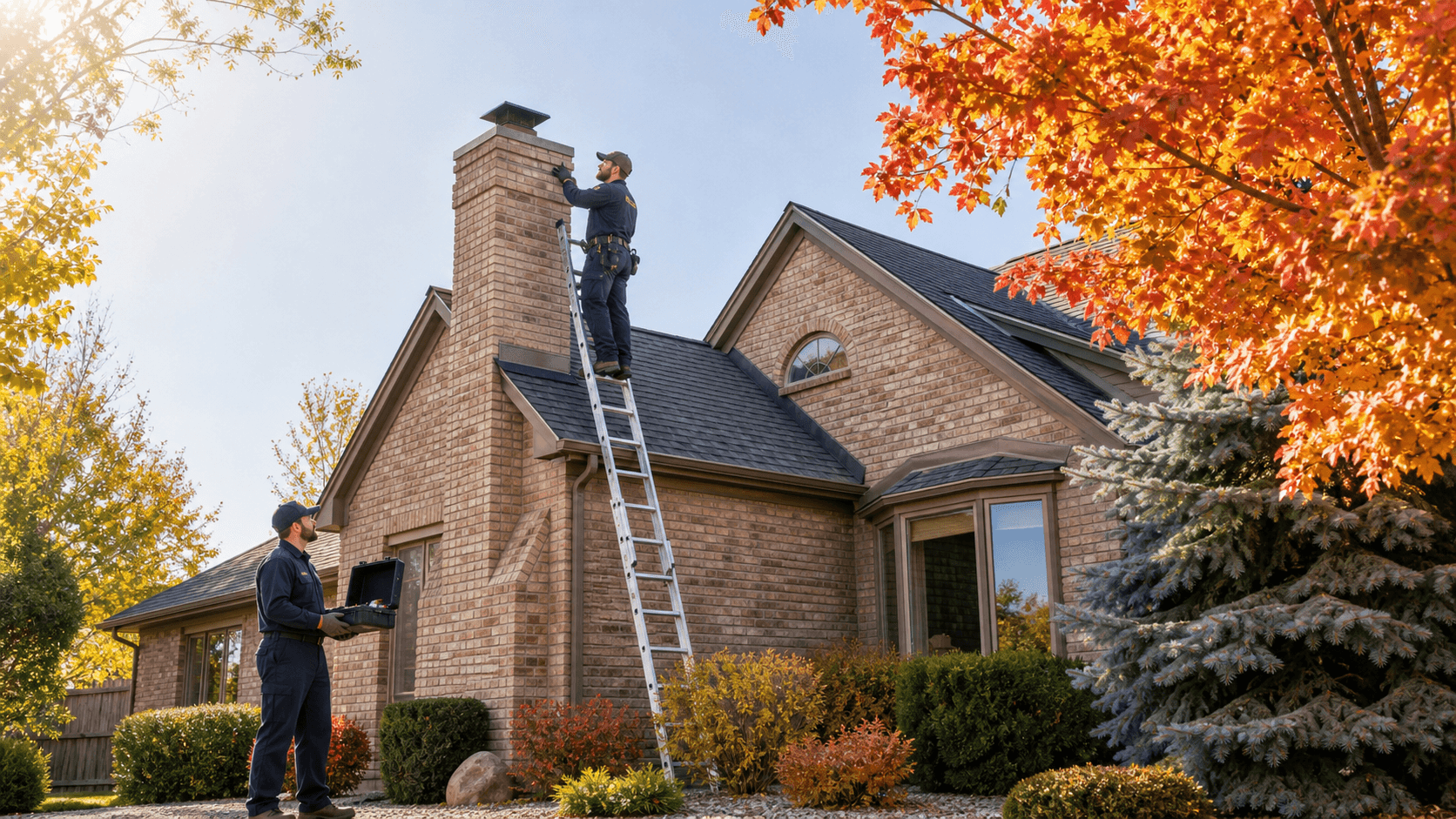
Tree cover is another local factor. Many homes in and around Loveland are surrounded by tall trees. Without a proper cap, leaves and twigs can drop straight into the flue. This debris can:
- Block airflow and make it harder for smoke and gases to escape
- Attract animals looking for a cozy nesting spot
- Trap moisture that speeds up masonry wear
A chimney sweep near Loveland, OH, who works in this climate every day understands how these regional stresses work together. That local knowledge helps guide inspection plans, repair suggestions, and how often different types of systems should be cleaned.
Ideal Timing for Chimney Cleaning and Inspections
While it is never wrong to have your chimney checked, certain times of year work better than others. Late summer through early fall is often the best window for many homeowners.
Preseason service can:
- Catch cracked liners before they leak smoke or heat into hidden spaces
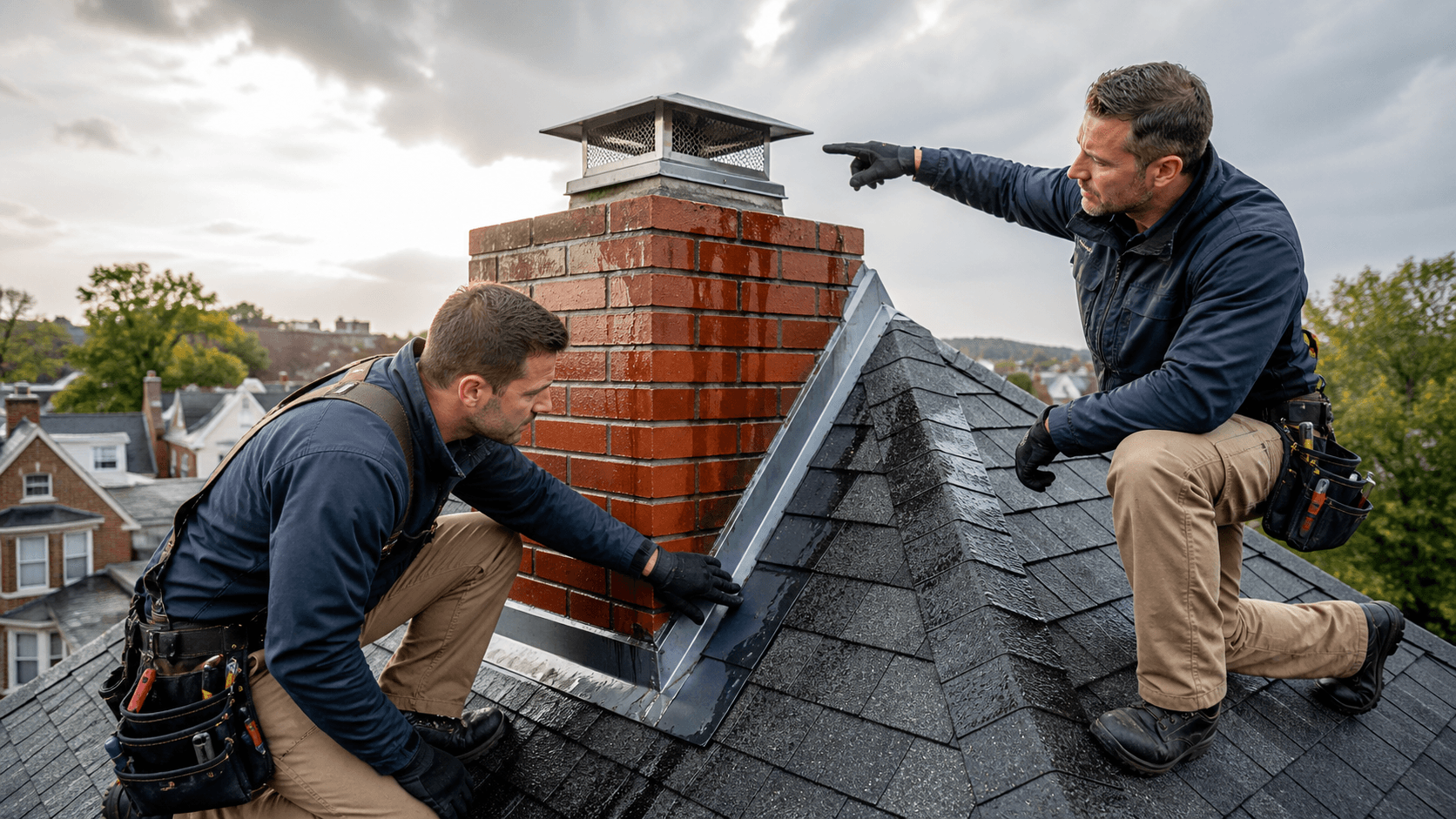
- Reveal failing flashing or crowns that might let winter moisture in
- Remove creosote buildup so you start the heating season with a clean flue
As a general rule, all wood-burning and gas fireplaces, stoves, and inserts should be inspected at least once a year. If you use your wood stove or fireplace as a main heat source, you may need cleanings more often, especially in areas like Loveland, Northern Kentucky, Southeast Indiana, and the Dayton metro, where long, damp seasons are common.
You do not have to wait for fall if something seems off. If you notice any of the following at any time of year, it is smart to bring in a professional soon:
- Strong, musty, or smoky odors during rainy or humid days
- Smoke rolling into the room instead of up the chimney
- Visible debris, bricks, or tile in the firebox
Taking care of these issues promptly can help prevent fires, water damage, or carbon monoxide problems during the colder months.
What to Expect From a Professional Chimney Sweep
Many homeowners are unsure what actually happens during a chimney sweep visit. Knowing the basics can help you feel more at ease when it is time for service.
A typical appointment usually includes:
- A visual evaluation of the firebox, damper, and easily accessible parts of the flue
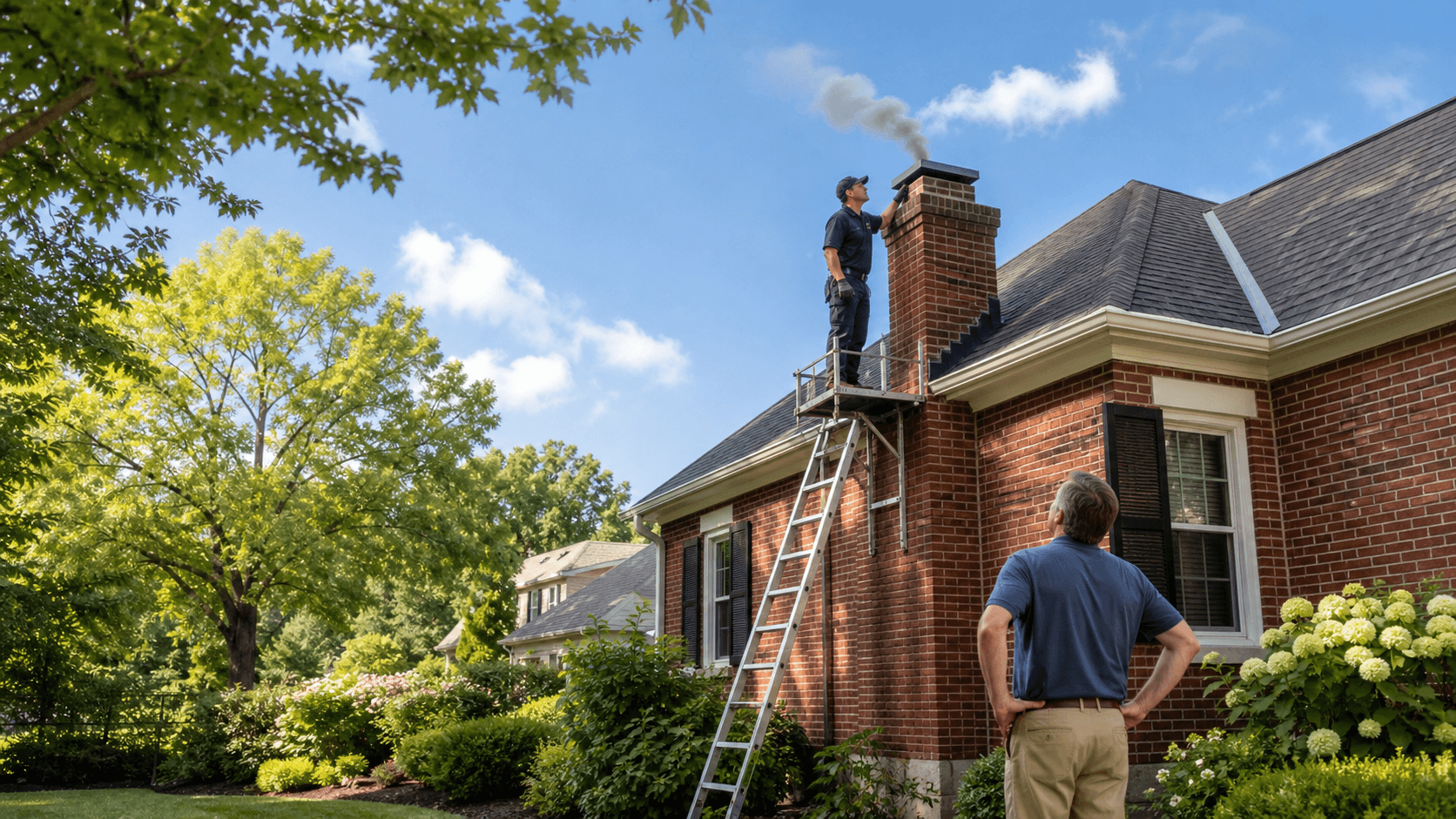
- An exterior look at the chimney, including masonry, caps, and crowns
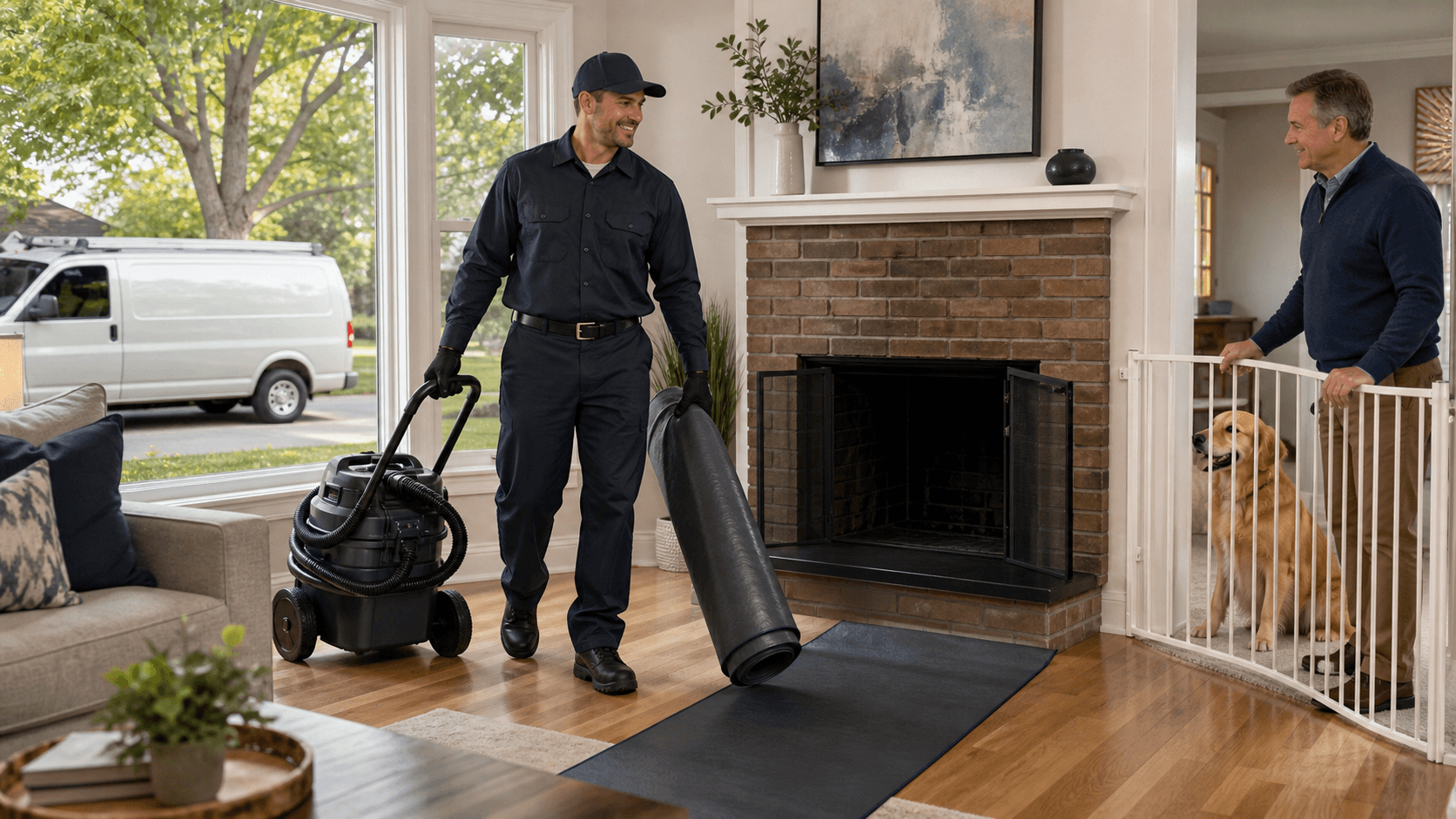
- Use of specialized brushes and vacuums designed to remove soot and creosote while controlling dust
For a more detailed look, technicians may also use camera equipment to inspect hidden parts of the flue from top to bottom. This helps reveal cracks, blockages, or damage that cannot be seen from the firebox alone.
There is a difference between a basic cleaning and a full inspection. During an in-depth inspection, the technician will check:
- The chimney liner for cracks, gaps, or missing sections
- The firebox and damper for damage, rust, or warping
- Masonry and mortar joints for gaps and water entry points
- Exterior components like caps, crowns, and flashing around the chimney
Professionalism inside your home matters too. Technicians should protect the surrounding area with drop cloths, keep equipment organized, and explain what they are doing in simple terms. Clear communication and photos of any issues help you understand what is going on inside your chimney so you can make informed choices about repairs or upgrades.
When you are choosing a chimney sweep near Loveland, OH, helpful questions to ask include:
- What kind of training or background do your technicians have?
- Are you insured for the work you do on my home?
- How familiar are you with local building codes and common chimney issues in this area?
- Do you also provide repairs or fireplace installations if you find a problem?
Taking a few minutes to ask these questions can give you confidence that your chimney and fireplace are in good hands.
Protect Your Home Now with Local Chimney Experts
Staying ahead of chimney problems is one of the simplest ways to protect your home, your family, and your comfort through the colder months. If your fireplace or stove has not been checked in more than a year, or if any of the warning signs in this guide sound familiar, it may be time for a closer look.
Chimney Works serves homeowners across Loveland, Cincinnati, Northern Kentucky, Southeast Indiana, and the Dayton metro with professional chimney sweeping, detailed inspections, repairs, and fireplace installation services. We understand how local weather, home styles, and fuel types all affect your chimney's health, and we are committed to helping you use your system with confidence season after season.
Protect Your Home With Reliable Chimney Care Today
If you are looking for a trusted chimney sweep near Loveland, OH, we are ready to help you keep your fireplace and chimney safe, clean, and efficient. At Chimney Works SEO, we inspect and sweep with careful attention to the details that protect your home and family. Schedule your service today or reach out through our contact page so we can answer your questions and get you on the calendar.