Summer-Only Gas Fireplace Use and Why It Still Matters
Using a gas fireplace only in summer is more common than you might think, especially in areas like Montgomery, OH, and nearby Cincinnati suburbs. Many homeowners turn it on for the glow during an evening get-together, a quiet movie night, or a rainy day at home. The flames add mood and comfort, even when you are not trying to heat the room.
Summer-only use is generally safe when the system is in good shape and checked on a regular schedule. But low use does not mean no wear, and it does not mean you can skip service forever. Here, we will talk about what summer-only use does to your gas fireplace, when service is still needed, how to time that visit, and what you can do at home to keep things running smoothly.
How Summer-Only Use Affects Your Gas Fireplace
When people say they "only use it in summer," they usually mean short, gentle use. Maybe you:
- Turn it on for a couple of hours during a party
- Run it on rainy or stormy afternoons for the look of a fire
- Use it mainly on holidays or special evenings
That might sound like easy work for a gas fireplace, but even light use has an impact over time. The burners pull in dust and pet hair from the room. That buildup can start to block small openings and change how the flames look. Combustion byproducts can leave a thin film on the glass that slowly turns it hazy or foggy.
Inside the unit, parts still move and heat up. Igniters, pilots, valves, and wiring all deal with repeated heating and cooling, even if it is just for short runs. Over many start-ups, that can lead to:
- Slow or failed ignition
- Pilot flames that will not stay lit
- Sensors that stop reading the flame correctly
In the Cincinnati area, summer humidity and storms add another layer. Moist air can get into metal parts and lead to early rust or corrosion. If the system is vented, moisture can also work its way into the vent, especially if there are tiny gaps or weaknesses. Thunderstorms and power blips can stress electronic components like control boards, remotes, and fans. So even when the fireplace feels like it is "resting" most of the year, it is still aging in the background.
When a "Low-Use" Gas Fireplace Still Needs Service
A gas fireplace that only runs in summer can still show clear signs that it needs professional attention. Some of the most common warning signs include:
- The burner is hard to light or takes several tries
- Flames are uneven, very small, or lean to one side
- You notice unusual smells when the unit is on
- You hear popping, whistling, or other new sounds
- The fireplace shuts off on its own or will not stay on
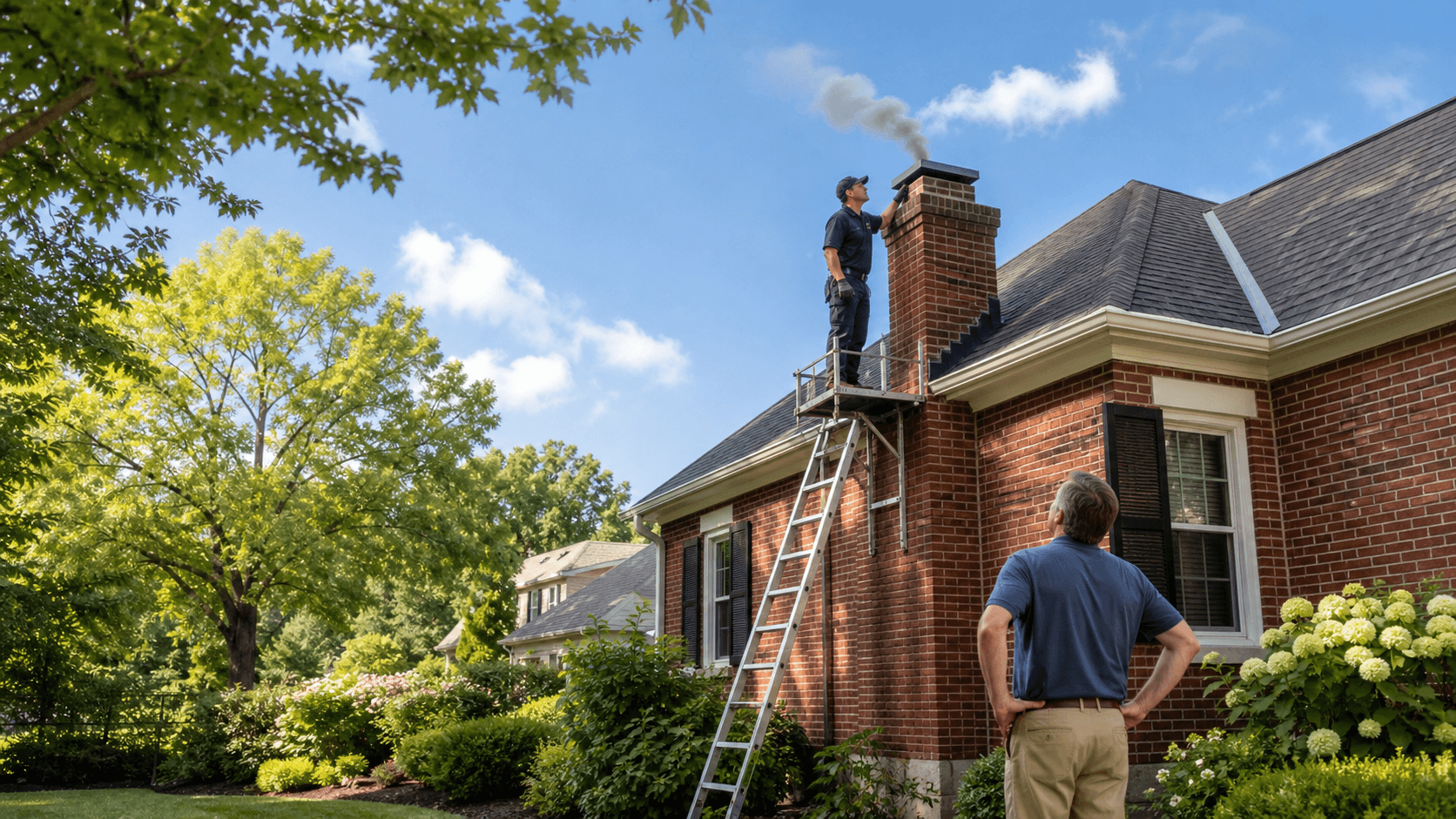
These are issues a homeowner might see or hear. But there can also be hidden problems that are not obvious just by looking at the flames. For example, there can be tiny gas leaks at fittings or connections that only a trained tech with proper tools can find. The venting system can also become blocked by birds, nests, leaves, or other debris, which affects draft and safety.
Gaskets and seals around the glass can slowly break down, especially with heat and humidity. When that happens, the unit might spill warm air or exhaust into the room instead of up the vent. Building codes and safety guidelines recommend regular checks for all vented gas appliances, even if they are used lightly. A yearly inspection helps catch these problems early, before they turn into bigger repairs or safety concerns.
Best Timing for Gas Fireplace Service in Montgomery, OH
If you live in Montgomery, OH or around the Cincinnati, Northern Kentucky, Southeast Indiana, or Dayton areas, timing your gas fireplace service makes a big difference. The sweet spot is usually late summer into early fall, before the first cool snap when everyone suddenly turns their systems on.
Waiting until the first chilly nights can mean:
- Longer wait times for appointments
- Fewer open time slots that fit your schedule
- Rushed decisions because you want heat right away
A simple routine can keep things easy and low stress. In mid-summer, when you know you will be using the fireplace for ambiance, turn it on and pay attention. Does it light quickly? Do the flames look steady and even? Does anything smell off or sound odd? If anything feels different, it is a good sign to get on the schedule for a professional visit before fall.
Even if everything seems fine, a pre-season inspection and cleaning helps confirm that the system is safe and ready. That way, when cooler weather arrives, you are not wondering if the first long run of the season will bring surprises.
What a Summer or Pre-Fall Service Visit Includes
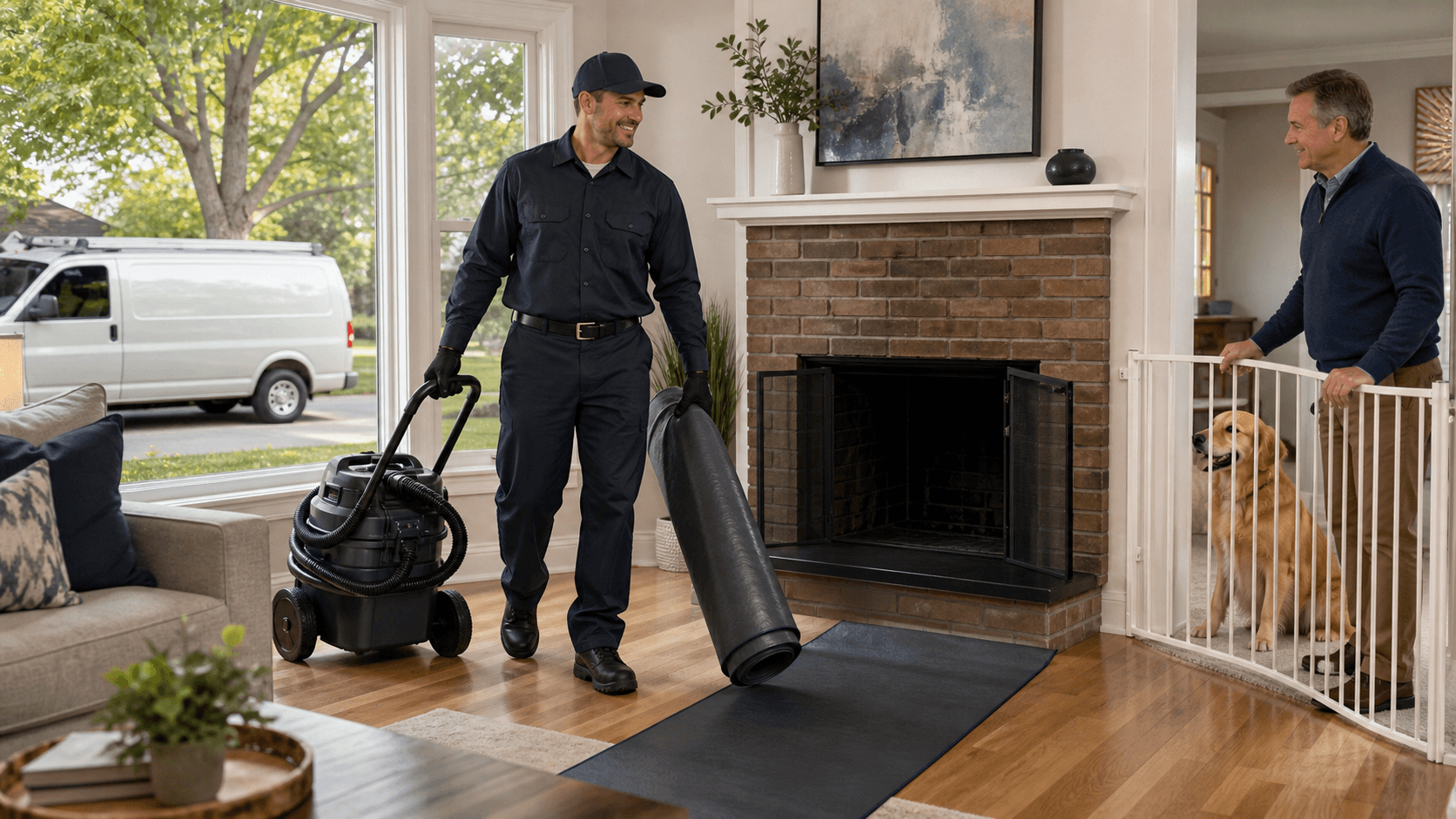
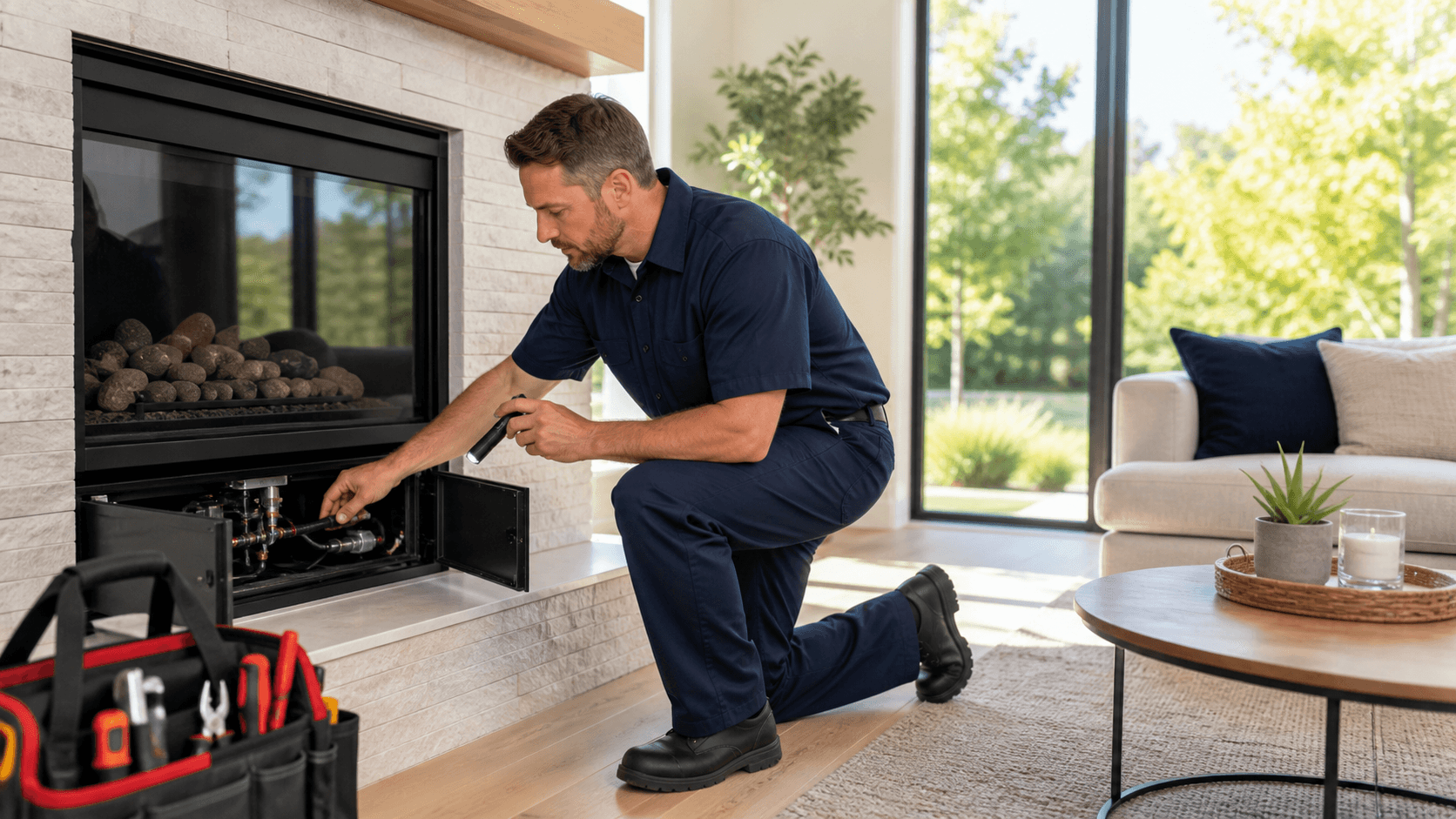
A professional gas fireplace service visit is about more than a quick look at the flames. A tech will go through a series of checks and cleanings that help the unit run safely and reliably. This usually includes:
- Inspecting and cleaning burners so the flames are even
- Checking the pilot assembly and ignition for fast, clean light-off
- Testing safety shutoff systems and controls
- Verifying gas line connections and looking for leaks
There is also a visual and physical check of the parts you see every day. The glass is cleaned with the right products so it is clear again, and the logs and ember bed are checked for proper placement. That placement affects both the look of the fire and how the unit burns.
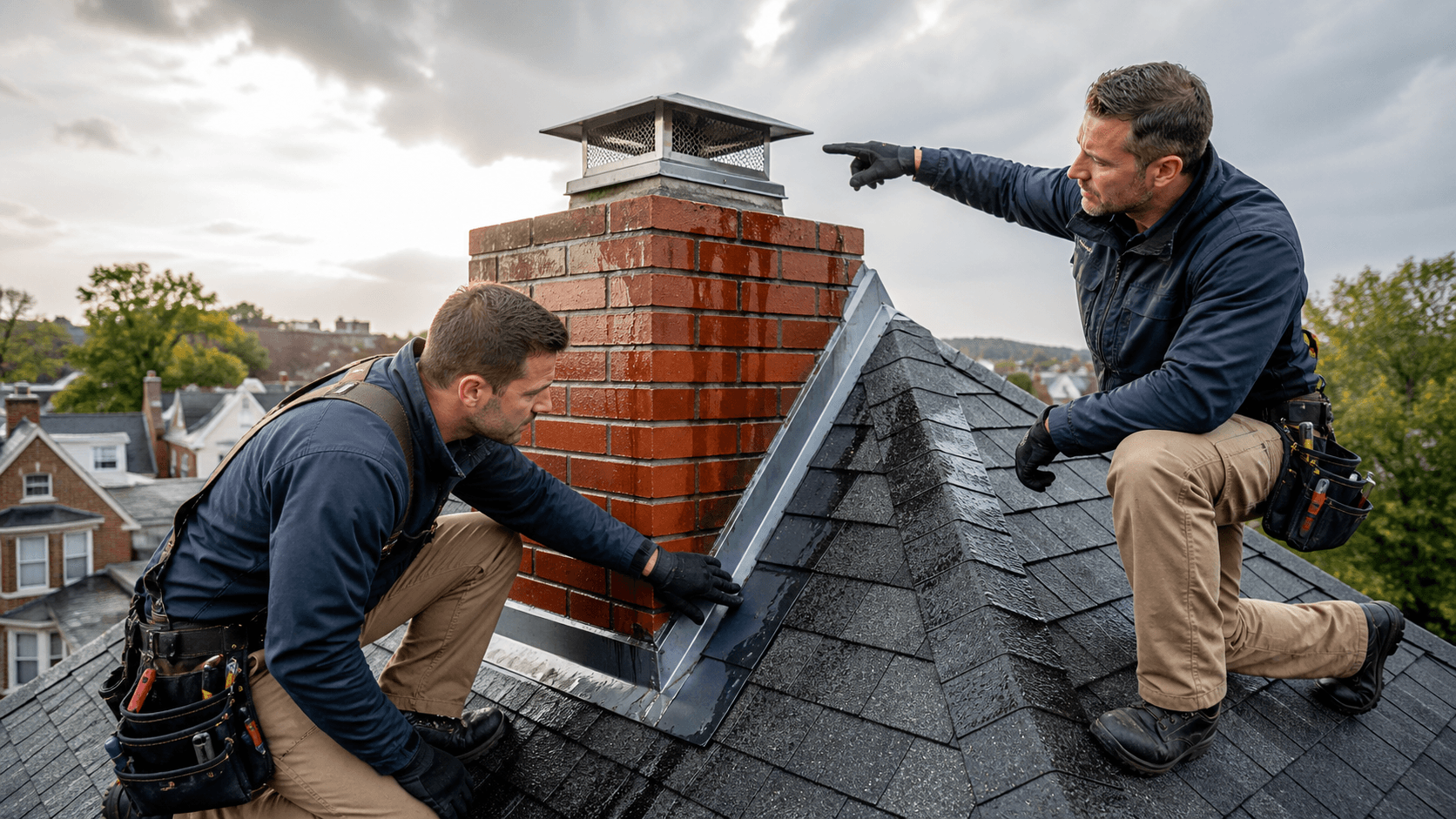
Inside the firebox, surfaces are checked for damage or wear, and the venting system is inspected for proper draft and clear exhaust paths. If the unit is older or showing signs of age, a professional can explain possible repairs or upgrades, like improved controls or comfort features, so you can plan ahead instead of making decisions in an emergency.
Simple Summer Care You Can Do Between Visits
There are a few simple, safe things homeowners can do between professional visits to keep a gas fireplace looking good. When the unit is completely cool and off:
- Gently dust exterior surfaces and vents
- Clean the glass only with products made for gas fireplace glass
- Keep pillows, decor, and other items away from the fire opening
- Make sure nothing blocks air inlets or outlets
What you should not do is adjust gas settings or dig into internal parts yourself. DIY work on gas lines, valves, or burners can create leaks and fire hazards, and it can also void warranties or make future repairs harder. Those pieces are best left to trained technicians.
One helpful habit is to turn the unit on briefly every so often, even in the "off" season. A short run helps keep parts moving and gives you a chance to spot any odd behavior early. If anything seems off, it is a good cue to arrange a professional check before you plan to rely on the fireplace again.
Get Started With Your Project Today
If you are ready to improve the safety, reliability, and comfort of your gas fireplace, Chimney Works is here to help with expert gas fireplace service in Montgomery, OH. We will inspect, clean, and repair your system so you can enjoy efficient heat and peace of mind all season long. Reach out today through our contact page to schedule your appointment or ask questions about your fireplace needs.