Stop Summer Roof Leak Surprises Around Your Chimney
A roof leak around the chimney in the middle of summer can feel confusing. There is no snow, no ice, and yet but you see a stain on the ceiling or a drip in the fireplace after a storm. Many Cincinnati homeowners are surprised when leaks show up during warm weather, not during the coldest months.
Summer is actually one of the most common times to discover chimney-related roof leaks. Strong thunderstorms, wind-driven rain, hail, and high humidity all put stress on the area where your chimney meets your roof. In this article, we will clear up some common myths about chimney leaks so you can better protect your home, cut down the chance of interior damage, and know when it is time to bring in a professional.
Summer Roof Leak Myths Around Chimneys
One of the biggest myths is that roof leaks only happen when snow and ice are sitting on the roof. That is not the full story. While winter can start the damage, summer storms in the Cincinnati area often reveal it.
During hot weather, your roof and chimney go through a lot:
- Sudden downpours push water into every small gap
- Wind can drive rain sideways under loose shingles or flashing
- UV rays dry out caulk and roofing materials
- Humid air keeps moisture from drying quickly
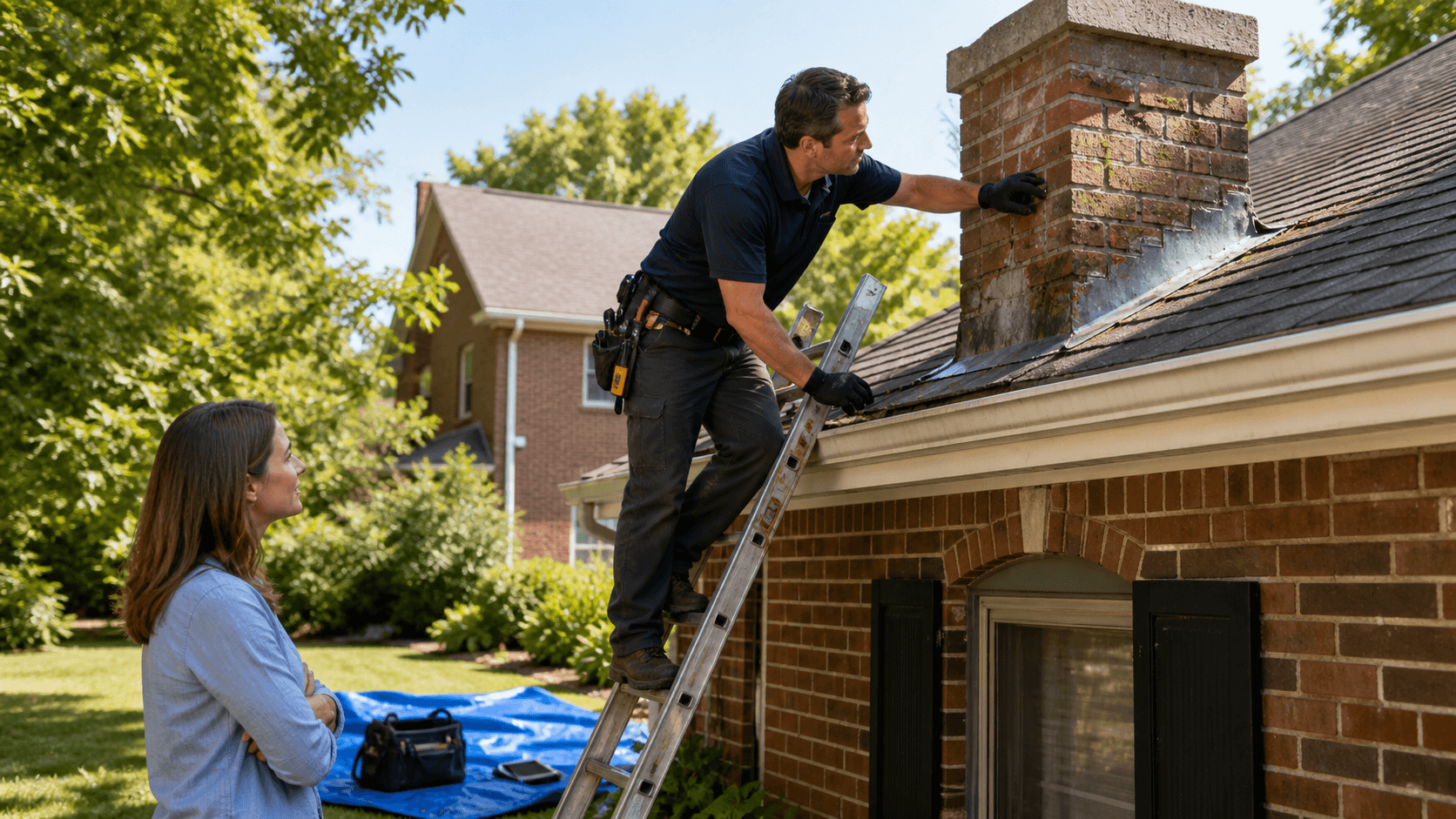
All of this is hard on flashing, mortar joints, and shingles around the chimney. Even a tiny opening where the chimney meets the roof can lead to stains on ceilings, bubbling or peeling paint, and musty smells after storms. Winter freeze-and-thaw cycles might have created cracks, but summer rain is what makes the leak obvious.
When you see a roof leak around the chimney in July or August, it does not mean the problem is new. It often means the problem finally has a chance to show itself.
Hidden Leaks and Quick Fix Myths
Another common belief is that if you do not see water dripping, there is no leak. Sadly, chimney leaks can hide for a long time. Water can sneak into:
- Attic insulation near the chimney
- Wall cavities around the fireplace
- Spaces behind the masonry or chimney chase
You might only notice small clues, such as:
- A damp or musty smell after a storm
- Slightly discolored or yellowing drywall near the ceiling
- Warped trim, crown molding, or baseboards near the fireplace
- Peeling caulk where the wall meets the fireplace surround
These are early warning signs that moisture is getting in. If they are ignored, slow leaks can lead to mold growth, wood rot, and long-term damage to framing and roof sheathing. Because summer storms in our region can be frequent and heavy, the area never gets a chance to fully dry out.
Another myth is that smearing caulk or roof cement around the chimney is a lasting fix. It can feel like a quick win, but it usually acts as a short-term bandage. As the roof heats up in the sun, cools down at night, and moves in the wind, that patch can crack or pull away.
Proper chimney flashing is more than just sealing the edges. It is a system that includes:
- Base flashing under the shingles along the sides and back of the chimney
- Step flashing where each shingle meets the chimney
- Counterflashing that is cut into the masonry and overlaps the base flashing
All these parts must work together with the shingles and the chimney structure to handle Cincinnati's storm patterns. A professional evaluation can reveal issues like missing step flashing, flashing that was never installed correctly, or brick and mortar that is too damaged to keep water out.
Common Assumptions About Roofs and Contractors
Many homeowners assume that a brand-new roof will automatically solve a roof leak around the chimney. While a new roof is great, it does not always fix chimney-related problems. Roofers sometimes reuse old flashing, especially around tricky areas like chimneys. If that flashing was installed wrong in the first place, the leak may continue even though the shingles are new.
Other times, the chimney itself is the source of the problem. Leaks can come from:
- A cracked or damaged chimney crown
- Gaps or cracks in masonry joints
- A missing or poorly fitted chimney cap
- Issues with how the liner or termination is sealed at the top
These are chimney-specific details that require more than general roofing knowledge. Homeowners in Cincinnati, Northern Kentucky, Southeast Indiana, and the Dayton metro area are better protected when their roofing work is coordinated with a chimney specialist who understands both the roof system and the chimney structure.
There is also a myth that any contractor can handle a chimney roof leak. A general handyman might be able to apply sealant, and a roofer may be great with shingles, but chimney leaks often cross several systems at once. They can involve:
- Flashing and counterflashing
- The cap and crown at the top
- Masonry and mortar joints
- The termination of the chimney liner
- The surrounding roof structure
Correctly diagnosing where water is getting in usually requires specialized training, tools, and experience focused on chimneys and fireplaces, not just general repair work.
Summer Storm Checklist for Chimney and Roof Health
After a strong summer storm, there are a few simple checks you can safely do to spot problems early. You do not have to get on the roof to notice warning signs.
Inside your home:
- New or growing stains on ceilings near the chimney
- Damp spots or sagging on drywall or plaster around the fireplace
- Peeling paint or bubbling on walls nearby
- Musty or earthy smells in the room with the fireplace
If you can safely access your attic, carefully look around the chimney area for:
- Wet or compressed insulation
- Dark spots on roof decking or rafters
- Signs of mold or mildew
From the ground outside, use binoculars to scan the chimney and roof line:
- Check for missing, curled, or cracked shingles near the chimney
- Look for gaps along the flashing lines
- Notice any missing chimney cap or obvious cracks in the crown
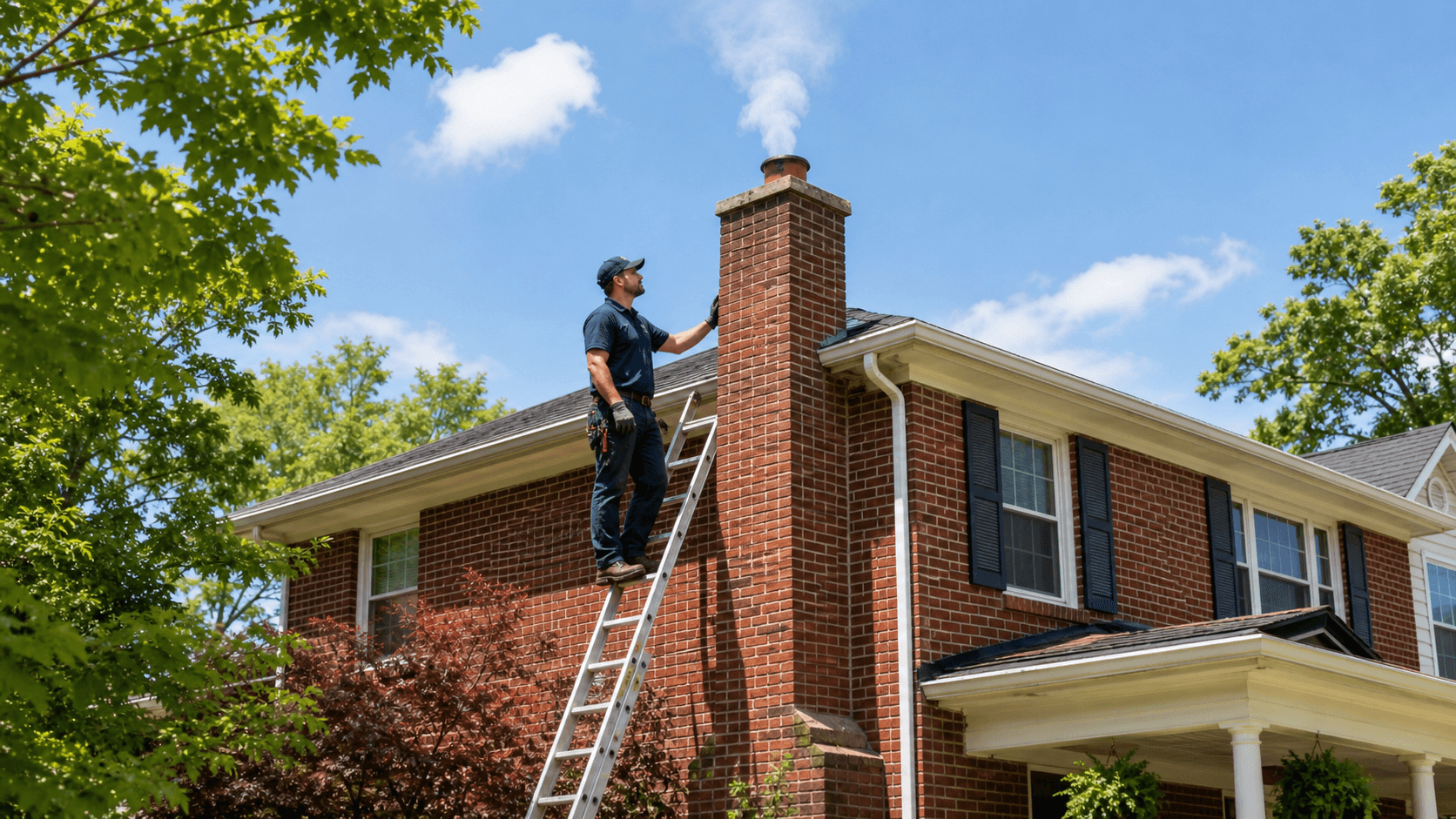
If you see active dripping, bulging drywall, heavy staining that suddenly appears, or signs of mold, that is a sign you need a professional to assess the leak as soon as possible. Summer is also a smart time to plan a chimney inspection and sweeping so any issues can be found and repaired before you start using your fireplace more in the cooler months.
Protect Your Home with a Chimney Leak Assessment
Believing these common myths about a roof leak around the chimney can lead to bigger problems later. Small leaks that only show up after summer storms can quietly damage framing, drywall, and finishes. By the time the signs are obvious, you may be facing interior repairs, mold cleanup, and more extensive chimney or roof work.
A focused leak assessment from a chimney professional helps pinpoint the real source of water entry, whether it is the flashing, the masonry, the crown, or another part of the system. Taking care of these issues during the summer gives you time to address repairs before the busy fall and winter fireplace season, so your chimney, fireplace, and roof are ready when you need them.
Protect Your Home From Costly Water Damage
If you notice stains on your ceiling or walls near the fireplace, a roof leak around the chimney may already be causing hidden damage. At Chimney Works, we carefully inspect, diagnose, and repair the problem before it leads to structural issues or mold. Reach out today so we can schedule an appointment that fits your timeline, answer your questions, and give you clear next steps. If you are ready to talk with our team now, please contact us.