Upgrade Comfort and Safety in Cincinnati's Older Homes
Older homes in Cincinnati, Hamilton, Northern Kentucky, Southeast Indiana and the Dayton area have a look and feel you just cannot get in new construction. Tall ceilings, detailed woodwork, and original brick fireplaces give these houses a lot of character. But when it comes to everyday comfort and safety, many owners are choosing gas fireplaces instead of using an old wood-burning setup.
Gas fireplaces offer easy, on-demand heat, better efficiency, and less mess. In older homes, though, installing one is not as simple as dropping in a unit and calling it done. Aging chimneys, tight clearances, and old venting all affect what can be installed and how safe it will be. That is why the installer you choose matters so much. Planning in late spring or early summer also gives you time to get inspections, repairs, and installation finished before that first chilly night arrives.
Why Older Cincinnati Homes Need Specialized Installers
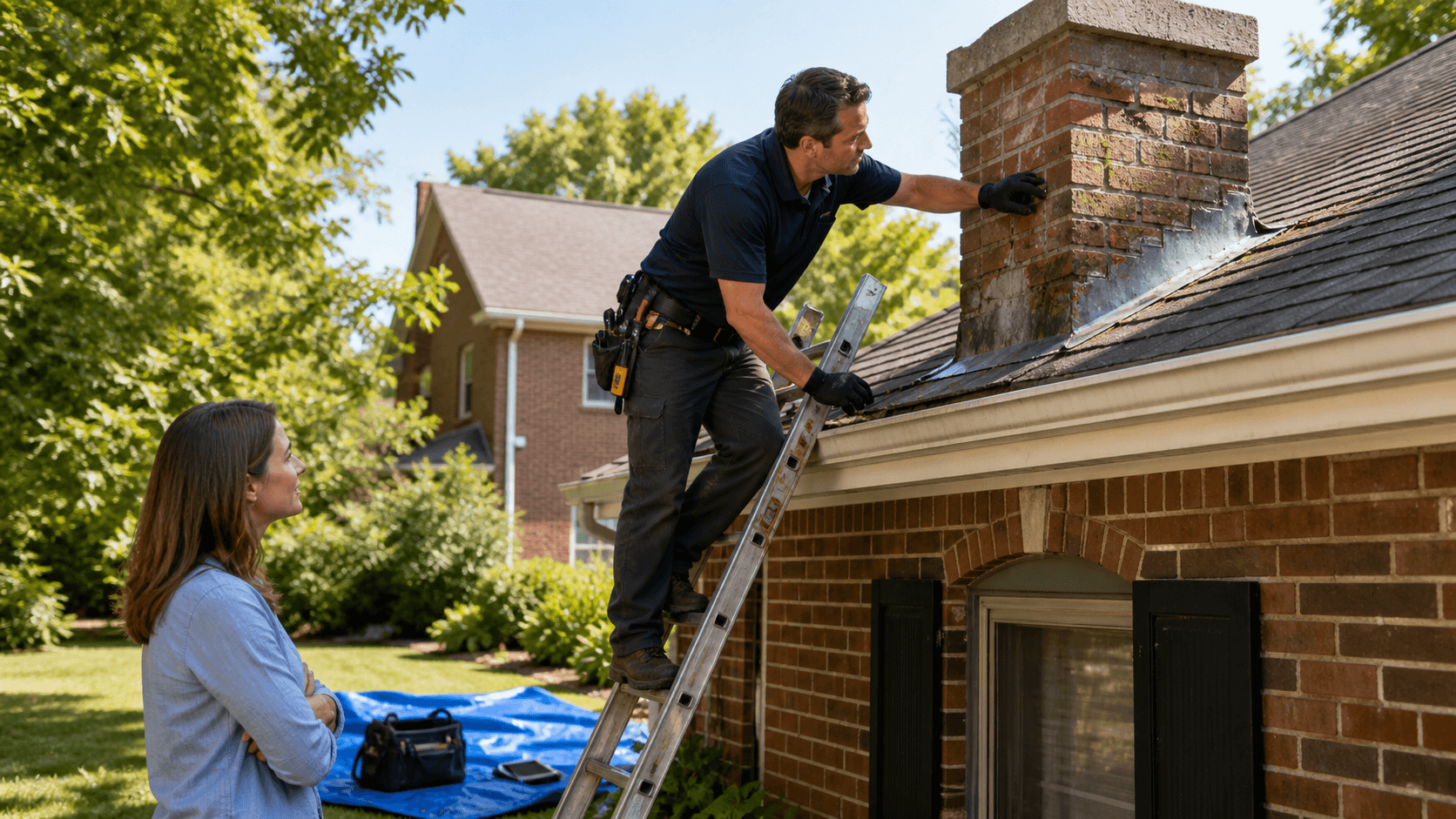
Pre-war and mid-century homes around Cincinnati and Hamilton were built with different methods than modern houses. Over time, those older systems can wear out or get altered in ways that are not safe for gas appliances. Common issues we see in older homes include:
- Brick chimneys that have cracks, gaps, or missing mortar
- Clay flue tiles that are damaged or not sized for a gas unit
- Chimneys or walls that have shifted with the foundation
- Past DIY "fixes" or unpermitted changes around the fireplace
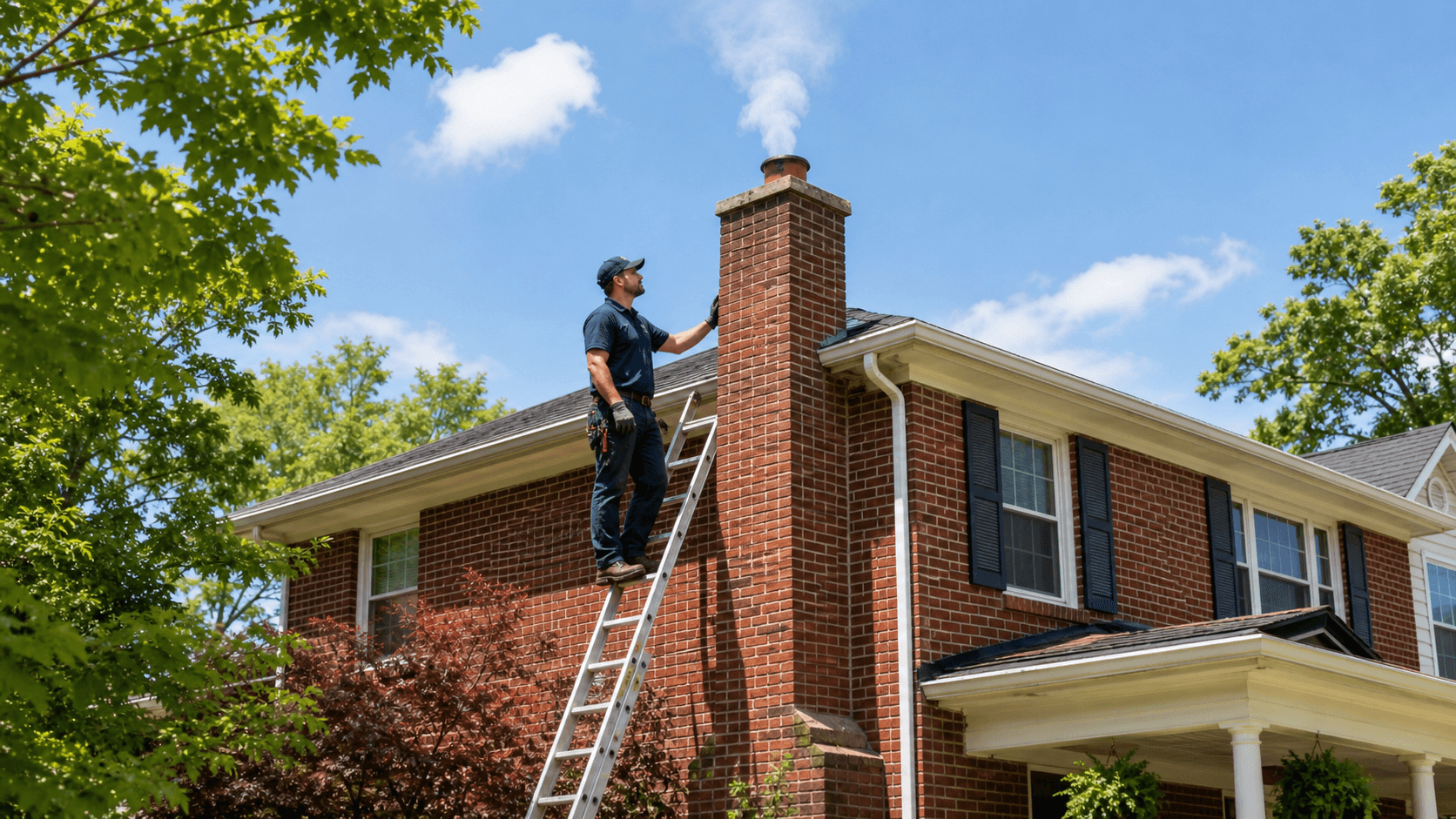
Before anyone talks about brands, flame styles, or remote controls, a careful assessment should come first. A good installer will typically start by inspecting the chimney from top to bottom, confirming whether a liner is present and suitable for gas, and mapping out how a gas line will safely reach the fireplace location. They should also review venting options, required clearances, and applicable code requirements so the final plan is both functional and compliant.
Older homes often have plaster walls, decorative mantels, and one-of-a-kind trim. An installer used to modern construction might not know how to protect these details. Someone who regularly works in older houses will think ahead, choose the right tools, and plan the job so the original character stays intact while bringing the system up to current safety standards.
Key Qualifications to Look for in a Gas Fireplace Pro
When you start looking at gas fireplace installers in Hamilton, OH, and the surrounding area, it helps to know what to ask for. You are trusting this person with gas lines, venting, and the heart of your living room, so the bar should be high. Here are key things to insist on:
- Proper licensing for gas work and venting in the local area
- Recognized industry training or credentials, such as NFI or CSIA
- Knowledge of Ohio and Kentucky codes and local inspection practices
- Proof of liability and workers' compensation insurance
Experience matters even more in older homes. A qualified installer should be comfortable converting existing wood-burning fireplaces to gas inserts or gas logs, retrofitting lined systems into masonry chimneys, and adding direct-vent fireplaces on interior walls or in rooms with no existing fireplace.
Reputation and transparency are also important. Look for consistent, detailed online reviews from nearby homeowners, before-and-after photos of projects in older homes, and clear, written estimates that explain the scope, products, and warranties in plain language. An installer who is open about their process and happy to answer questions usually treats the job site with the same care.
How Professional Installers Protect Your Older Home
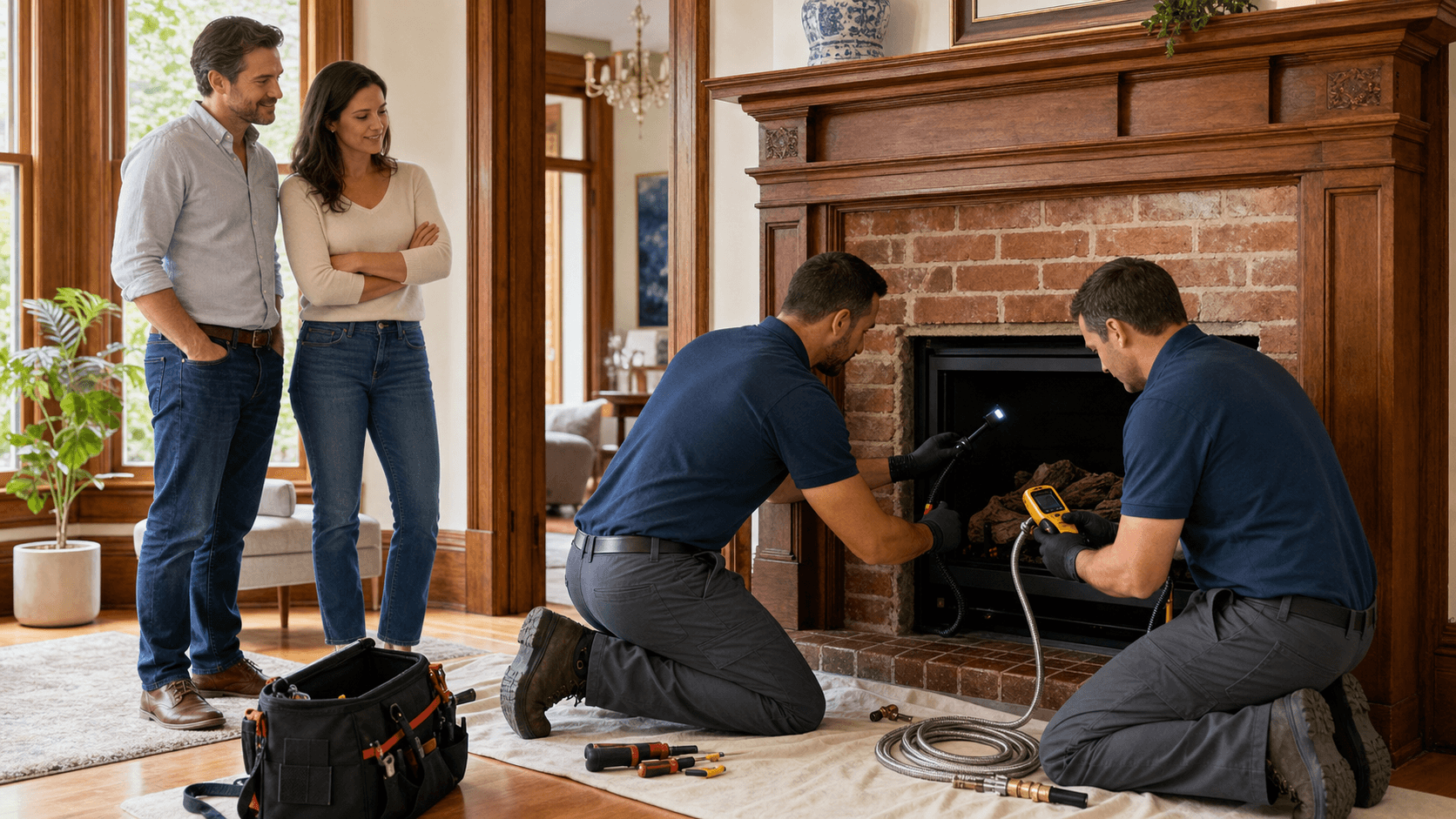
A thorough site visit is the starting point for a safe and clean installation. In an older home, this first visit should include:
- A full chimney inspection, inside and out, including the firebox and smoke chamber
- Discussion of venting, such as using the existing chimney or installing a direct-vent system
- A look at gas supply and routing, including shutoff locations
- Measuring clearances to wood framing, mantels, flooring, and nearby walls
Good gas fireplace installers in Hamilton, OH, and nearby communities also think about how the work will affect the rest of your home. Best practices often include:
- Covering floors and furniture with clean drop cloths and plastic
- Using dust control methods when cutting or removing masonry
- Protecting mantels, tile, and trim with padding or temporary barriers
- Following code for gas line size, shutoff valves, and vent terminations
Before the job is finished, safety checks should be completed and explained to you. A careful installer will test for gas leaks at all connections and verify draft and combustion so exhaust goes where it should. They should also talk about carbon monoxide safety and the value of working CO detectors, then show you how to operate the new system, including startup, shutdown, and basic care. You should feel confident using your fireplace the very first night, not worried about what might be happening behind the walls.
Comparing Inserts, Log Sets, and New Gas Fireplaces
Older homes often already have a masonry fireplace, which opens up several gas options. A good installer helps match the choice to the house and how you actually use the room. The most common options are:
- Gas fireplace inserts, which slide into an existing wood-burning fireplace and are usually vented through the chimney
- Gas log sets, which sit in an existing firebox and give the look of a wood fire, often with less heat output
- New direct-vent gas fireplaces, which are self-contained units that vent through a wall or roof and can go in rooms without a chimney
Each option has tradeoffs in:
- Heat and efficiency for drafty or larger rooms
- Flame look and style, from traditional to clean-lined
- Impact on existing brick, tile, and mantels
- Chimney repair or liner needs
In many older homes, inserts or direct-vent units can help cut drafts by sealing off a leaky fireplace opening and controlling airflow. A skilled installer will walk you through what repairs or liners are needed for safe venting, which units fit your current firebox or wall space, how venting will look from the outside of the home, and any local incentives or benefits tied to higher efficiency appliances. Planning in late spring or early summer gives you time to compare options, order materials, and handle any chimney work ahead of installation.
Planning Your Project Timeline Before Cold Weather Returns
The busiest season for chimney and fireplace work usually hits when the first cool nights arrive. By starting in late May or early summer, you can avoid long waits and rushed decisions.
A typical project timeline in an older home might look like this:
- Initial call and on-site inspection
- Written estimate and product selection
- Permits and any needed approvals
- Chimney repairs, liner installation, or other prep work
- Gas fireplace installation and venting
- Final inspection and walkthrough of operation
If your home also needs chimney sweeping, crown repair, a new chimney cap, or masonry touch-ups, it often makes sense to coordinate these at the same time. Doing the work in a planned, step-by-step way means your new gas fireplace will be ready when the weather turns cool, without last-minute surprises or delays.
Get Started With Your Project Today
If you are ready to upgrade your home with a safe and efficient gas fireplace, our experienced team is here to help you plan and complete the job the right way. As trusted gas fireplace installers in Hamilton, OH, we guide you through product options, placement, and proper ventilation so your new system fits your space and meets local codes. Reach out today through our contact page so Chimney Works can schedule your consultation and get your project underway.