Why a Detailed Chimney Report Protects Your Home
A chimney inspection report is more than a quick note that your chimney looks fine. It is a written record of what a professional saw, measured, and checked inside and outside your system. For homeowners who rely on a fireplace or stove, having that level of detail can help protect your home and your family.
In Middletown and the Cincinnati, Dayton corridor, chimneys take a beating. We see freeze and thaw cycles, heavy rain, and plenty of wood-burning use once cool weather hits. All of this can wear down brick, mortar, metal, and liners. A strong chimney inspection in Middletown, OH, backed by clear photos, measurements, and code references, turns a simple visit into proof you can keep for safety, insurance, and resale.
When something goes wrong, it helps to have a report that shows exactly what your chimney looked like, where damage was found, and which standards applied. That way, you are not depending on memory or a vague "everything looked okay" comment.
What Every Middletown Chimney Inspection Report Should Include
A strong chimney inspection report has three main parts that work together:
- Visual documentation, usually photos and sometimes video stills
- Dimensional data, such as sizes, distances, and clearances
- Code and standard references, tied to specific findings
For many homes, a basic Level 1 inspection is what you get for yearly maintenance when there have been no changes to your fireplace or chimney. It is focused on accessible areas and on how things look and function under normal use.
A Level 2 inspection is more in-depth. It is often recommended when:
- You are buying or selling a home
- You have changed appliances or fuel types
- There has been a known event, like a chimney fire or storm damage
Level 2 usually includes camera work inside the flue and more detailed documentation. For Middletown homeowners, this type of inspection can be especially helpful before you commit to a home purchase or before a busy burning season.
Having a standardized checklist for chimney inspection in Middletown, OH, makes it easier to compare contractors. When each item on that list is addressed with photos, measurements, and clear notes, important safety issues are less likely to be missed.
Must-Have Photos in Your Chimney Inspection Report
Photos let you see what your chimney professional sees. They also give you something to show an insurance company, a future buyer, or another contractor if you want a second opinion.
On the exterior:
- Clear, dated photos of the chimney from several angles
- Close-ups of the crown and cap
- Flashing where the chimney meets the roof
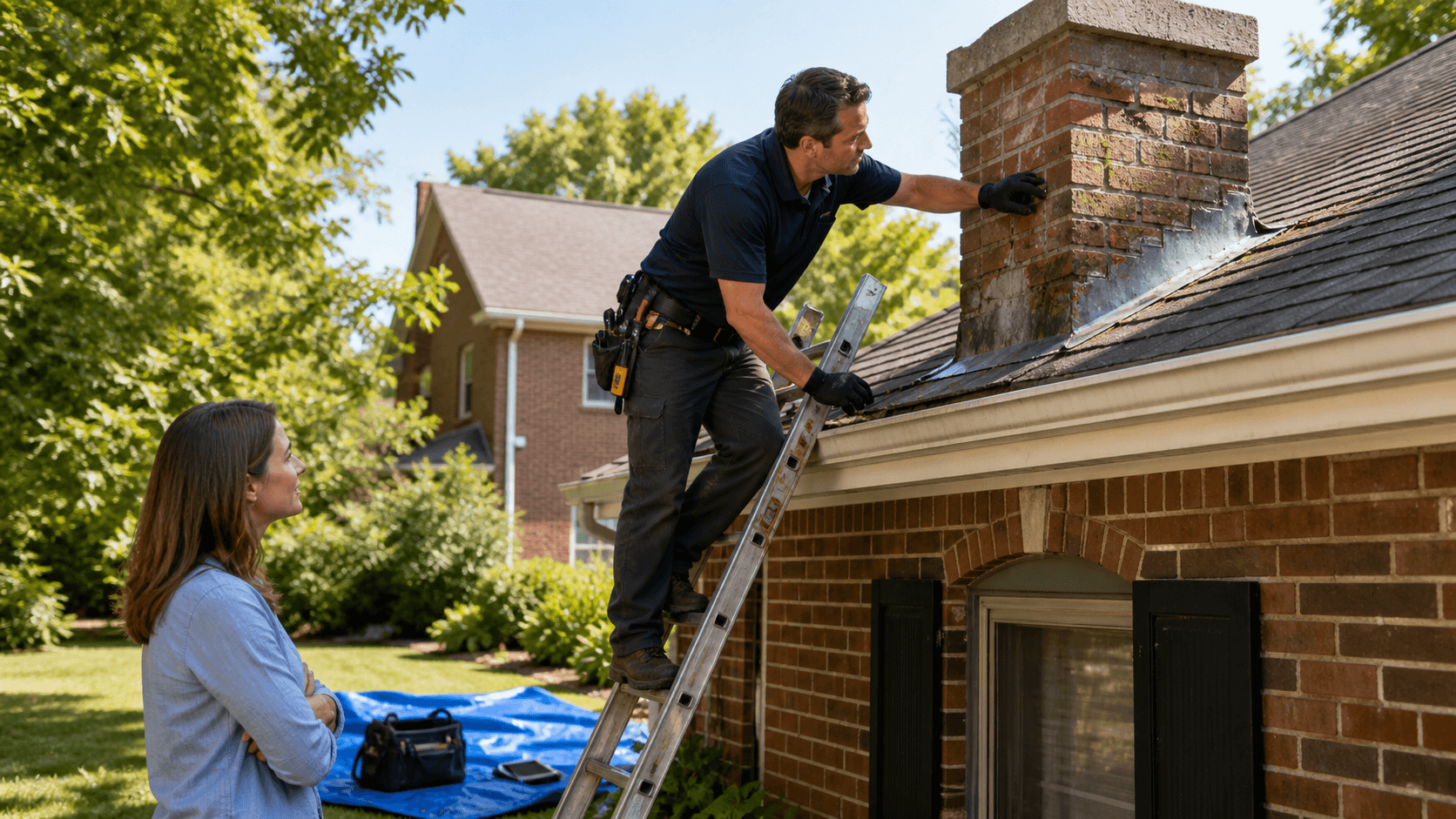
- Brick or stone faces, showing any cracks or surface loss
- Any visible leaning, separation from the house, or widened mortar joints
Inside, the report should show the fireplace and nearby areas:
- Firebox walls and floor
- Damper and the entrance to the flue
- Smoke chamber transitions
- Gas logs or inserts, if installed
- Wood trim, mantels, and other nearby combustibles
We like to zoom in on rust, loose bricks, gaps, and any staining that points to moisture. These are the spots where small problems often start.
For the flue and hidden areas, camera images are key. Good reports include:
- Still shots along the length of the flue
- Liner surfaces, including cracks, missing tiles, or metal damage
- Creosote buildup, especially shiny or glazed deposits
- Any signs of previous fires inside the flue
Best practice is for photos to be:
- Well-lit and in focus
- Clearly labeled with location and issue
- time-stamped or dated
- Organized so "before" and "after" repairs can be compared
That way, you can quickly tell what was found and what changed.
Key Measurements That Should Always Be Recorded
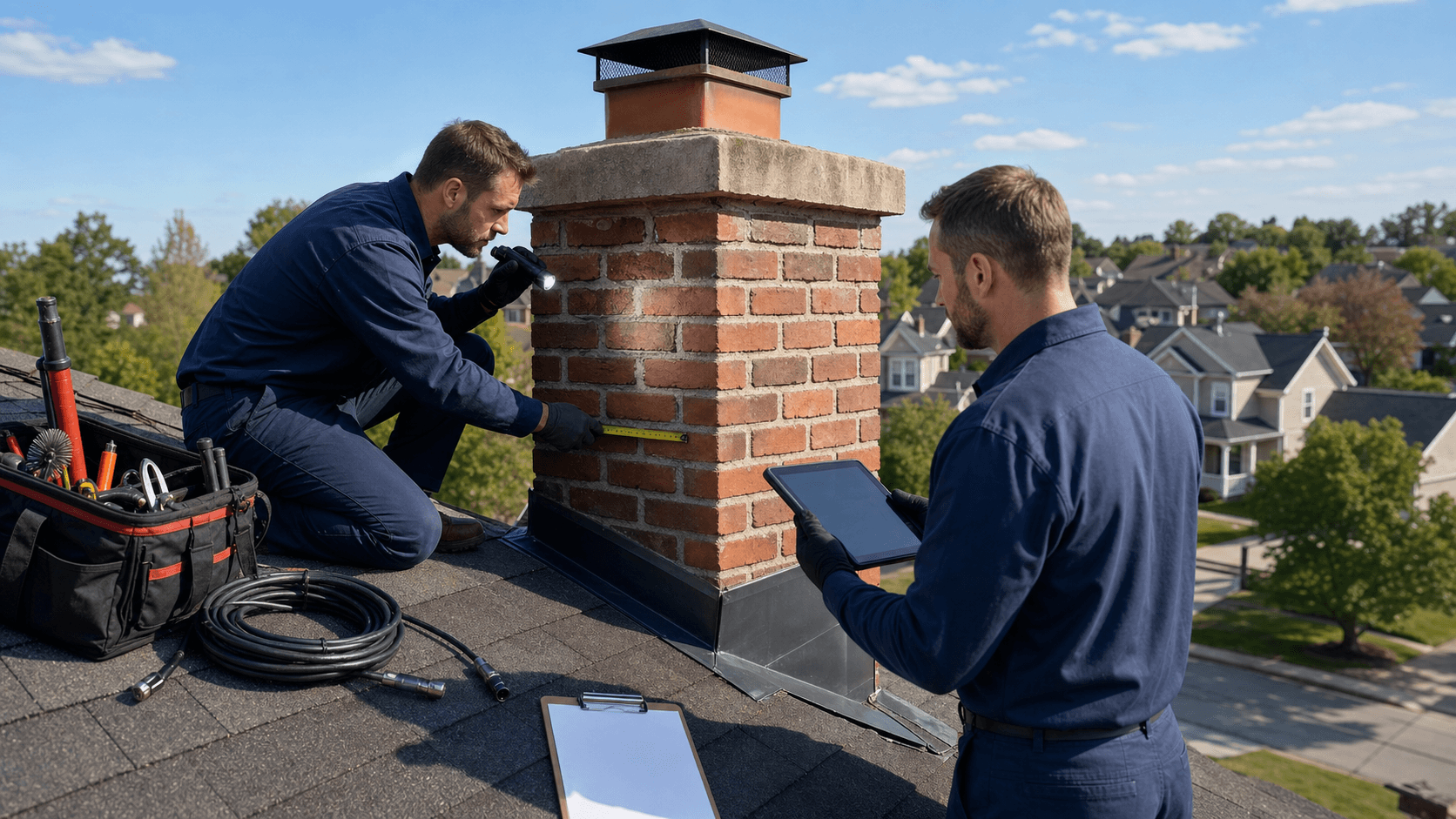
Measurements help separate opinion from fact. They tell you not just that something is wrong, but how far it is from where it should be.
For the chimney and fireplace, important dimensions include:
- Overall chimney height above the roof
- Firebox opening width, height, and depth
- Smoke chamber height and shape
These sizes affect how well the system drafts and how likely it is to spill smoke into the room.
Inside the flue and liner, your report should note:
- Flue or liner size and shape
- Liner material, such as clay or metal
- Any changes in diameter or offsets
- Measured gaps, cracks, missing mortar, or separated joints
Clearance measurements matter for safety. Your inspector should compare distances between hot surfaces and nearby combustibles to minimum requirements for:
- Mantels and trim
- Side walls and ceilings
- Hearth extension in front and to the sides of the opening
In our climate, moisture is a repeat problem. Good reports include:
- Moisture readings where there are stains or soft spots
- Depth of spalling or surface loss on bricks
- Condition of the crown and mortar joints
- Any measurable chimney tilt or settlement
When these numbers are written down, it is easier to plan repairs and track changes over time.
Codes, Standards, and Local Requirements That Matter
A detailed chimney report should not just say something is wrong; it should say which standard it fails to meet. For most systems, that starts with references to NFPA 211, which covers chimneys, fireplaces, and vents, and the International Residential Code, which sets many building rules for homes.
If you have a factory-built fireplace or stove, the report should also mention the manufacturer's installation instructions. Those directions often call for specific clearances and connection methods.
Local areas around Middletown, Cincinnati, and Dayton may adopt national codes with their own changes or specific editions. A careful report will note which code cycle or edition is being used as the reference. That helps avoid confusion when different contractors or inspectors are involved.
Proper code citations look something like this:
- A specific section number linked to a clearance issue
- A reference to liner sizing tables tied to your measured flue
- A citation for chimney height above the roofline
Code-backed findings carry more weight in insurance claims and real estate transactions. They also help you decide which repairs must come first for safe use before fall and winter.
How to Read Your Report and Plan Next Steps
When you first see a full chimney inspection report, it can feel like a lot. The key is to sort findings into levels of urgency.
Minor maintenance items might include:
- Repointing mortar joints
- Replacing a worn chimney cap
- Routine sweeping for normal creosote
Urgent safety hazards often look like:
- Active flue damage or missing liner sections
- Major clearance problems to wood framing or mantels
- Heavy creosote glaze that could support a chimney fire
Use the photos, measurements, and code notes to build a simple plan. Many homeowners find it helpful to:
- Fix life-safety issues first
- Address moisture problems next, so damage does not spread
- Save cosmetic upgrades for last, once the structure and function are stable
Do not hesitate to ask your chimney professional questions, such as:
- Which code sections apply to each major issue?
- What repair options are possible, and what are the pros and cons?
- How long can a repair be expected to last under normal use?
- When should the next inspection happen after repairs are done?
A clear report should make these answers easier to understand, not harder. When your chimney inspection in Middletown, OH, is backed by strong documentation, you can make confident choices about your home.
Get Started With Your Project Today
If you are due for a chimney inspection in Middletown, OH, Chimney Works is ready to help you identify issues before they become costly repairs. Our experienced team will walk you through what we find and recommend the best options to keep your home safe and efficient. Schedule an appointment or ask a question anytime through our contact page so we can get your chimney taken care of.