Stop Water Damage Fast with Smart Chimney Leak Repair
Water getting into a chimney is more than a small annoyance for Fairfield homeowners. Even a slow leak can stain ceilings and walls, rot framing around your fireplace, and damage the roof where the chimney passes through. Left alone, that same moisture can weaken the fireplace system itself, turning a cozy feature into a safety concern.
The hidden costs often show up long after the first drip. Persistent dampness encourages mold growth, which affects indoor air quality. Saturated wood can lose strength, brick and mortar can crumble, and the value of your home can suffer if buyers see water stains or smell mustiness around the hearth. Professional chimney leak repair in Fairfield is about protecting comfort and safety at the same time. Because local weather and construction styles play such big roles, working with a team that understands Fairfield area homes helps you get repairs that actually last.
How to Spot a Chimney Leak in Your Fairfield Home
Chimney leaks often reveal themselves indoors before you ever notice a problem on the roof. Warning signs around the fireplace area include:
- Brown or yellow stains on the ceiling or wall near the chimney
- Peeling paint, bubbling drywall, or warped trim above the mantel
- A musty or damp odor that lingers even when the fireplace is not in use
- Moisture, efflorescence (white powder), or dark spots on the firebox walls
Your first clues outside might be on the masonry itself or where the chimney meets the roof. Outside warning signs include:
- Crumbling or missing mortar joints between bricks
- Spalling bricks, where the face of the brick flakes or chips away
- Rust streaks on the sides of the chimney or on metal components
- A damaged or missing chimney cap
- Gaps, bent metal, or lifted shingles where the flashing should seal the chimney to the roof
It can be hard to tell whether water spots inside are from a roof leak or a chimney leak. Water often travels along rafters, masonry, or framing, then shows up several feet away from where it entered. A stain above the fireplace might actually start at a cracked crown on top of the chimney. This is why a professional inspection is the most reliable way to pinpoint the source, instead of guessing and patching the wrong area.
Top Causes of Chimney Leaks in Fairfield’s Climate
The Ohio Valley climate is tough on chimneys. Repeated heavy rain, high humidity, and frequent freeze-thaw cycles put constant stress on masonry. When water soaks into tiny pores in the bricks or mortar, then freezes, it expands and slowly breaks the material apart. Over time, this weakens mortar joints and crown cement, opening up more pathways for water to get in.
Several specific chimney components are common leak points:
- Cracked or missing chimney crowns that allow water to pool and seep down into the structure
- Rusted, undersized, or poorly fitted chimney caps that fail to keep out rain and debris
- Damaged or improperly installed flashing around the base of the chimney
- Porous or older bricks that readily absorb water, especially when they have never been waterproofed
Many Fairfield homes have older chimneys that were built before modern standards. Some may be unlined or only partially lined, which can allow more moisture movement within the structure. Past DIY repairs with the wrong type of mortar, caulk, or concrete can actually trap water or crack under temperature changes. Without proper waterproofing treatments and periodic maintenance, these older systems are more likely to develop leaks that spread into the attic, walls, or living space.
Professional Chimney Leak Repair Solutions That Work
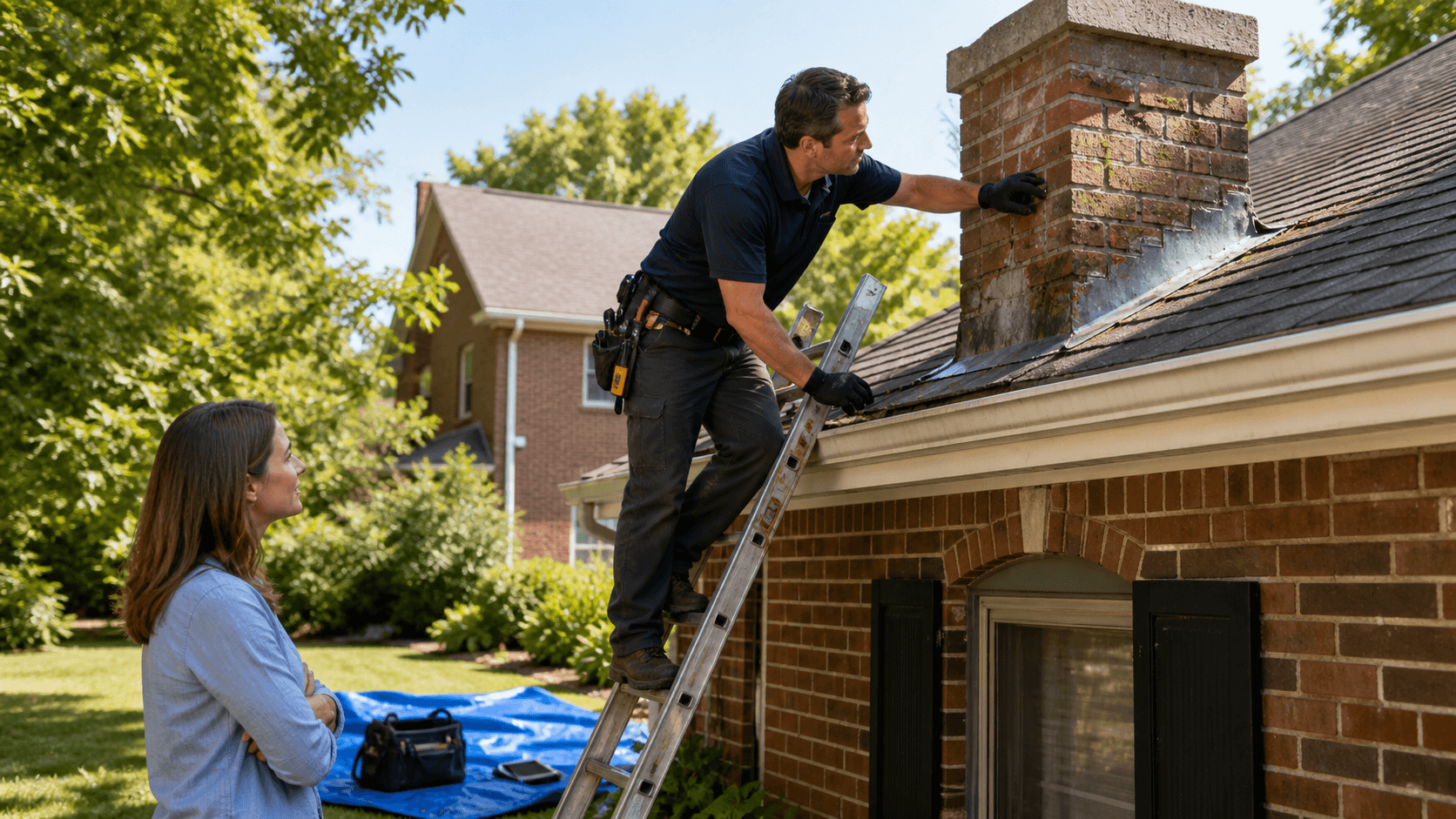
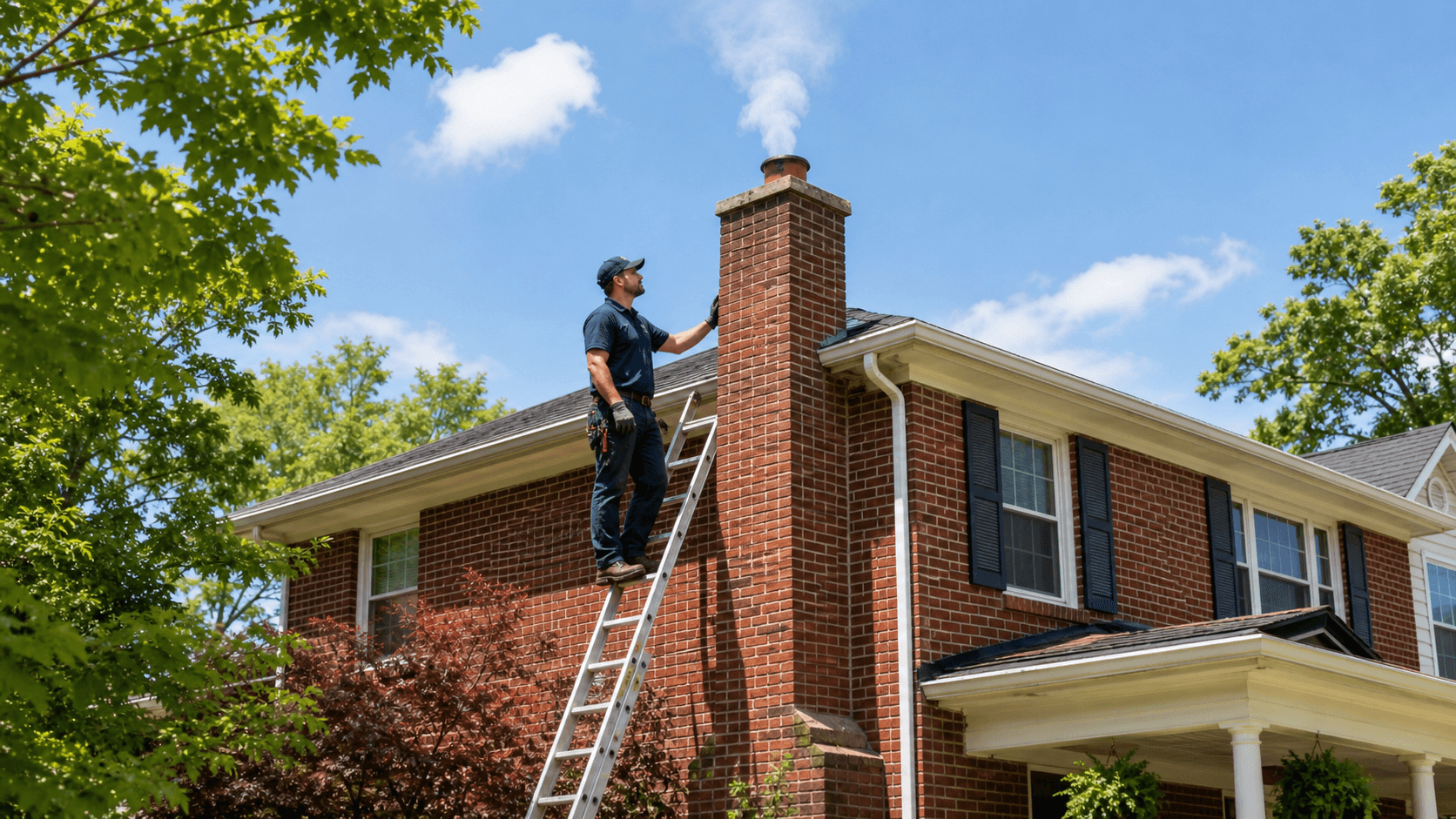
Effective chimney leak repair starts with a methodical inspection. We begin outside, examining the chimney from the roofline up, checking the crown, cap, bricks, mortar, and flashing. Indoors, we look at the firebox, damper, and surrounding walls and ceilings. In many homes, the attic or roof deck around the chimney tells the real story, so we inspect for damp insulation, stained sheathing, or visible water tracks. Photo documentation lets you see exactly where the problems are and what needs to be addressed.
Once we know the source of the leak, we can match it with the right repair. Common solutions include:
- Rebuilding or resurfacing the chimney crown so it sheds water correctly
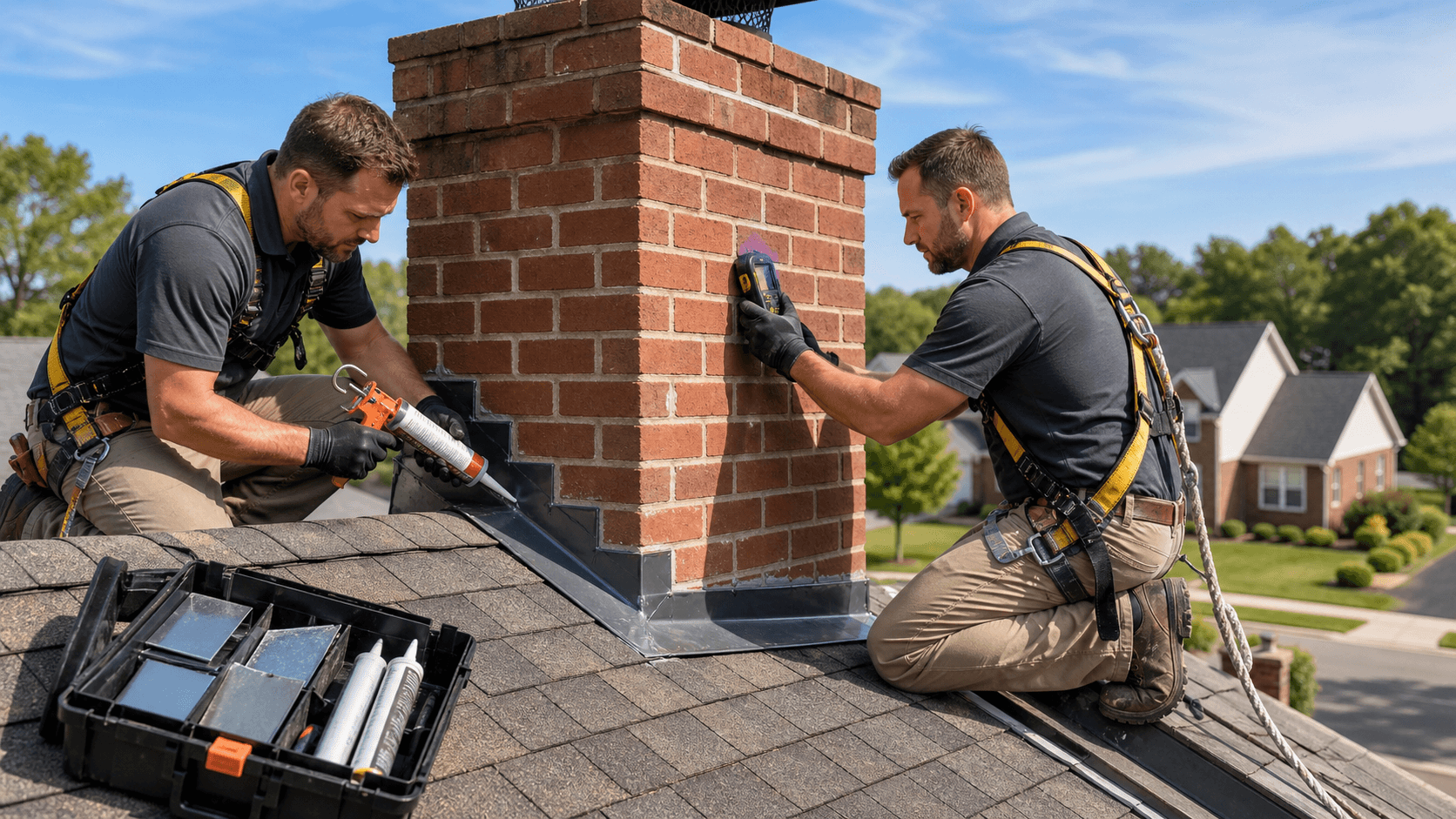
- Repairing or replacing flashing to seal the joint between chimney and roof
- Installing or upgrading a chimney cap to keep out rain and debris
- Tuckpointing failing mortar joints and replacing spalled bricks
- Applying breathable masonry waterproofing to protect against water absorption
Professional repair is almost always safer and more effective than DIY attempts. Working on a chimney involves ladders, roof access, and tools that require training. Using the wrong mortar, sealant, or coating can shorten the life of the chimney or create new leak paths. A qualified chimney professional understands local building codes, uses materials designed for high-heat and exterior exposure, and can stand behind the work with warranty-backed repairs.
Protecting Your Chimney From Future Leaks
Once leaks are fixed, the next goal is keeping water out for the long term. Preventive care is the most affordable way to protect your chimney and fireplace system. We recommend:
- Annual chimney inspections to catch small cracks or gaps early
- Routine chimney sweeping to remove creosote and check for moisture issues
- Scheduled maintenance on flashing, crowns, and caps before problems grow
Masonry waterproofing is a strong line of defense when done correctly. A professional-grade, vapor-permeable treatment soaks into the brick and mortar, helping to repel liquid water while still allowing moisture inside the chimney to escape. Pairing this with a correctly designed concrete or masonry crown, plus a quality chimney cap sized to your flue, greatly reduces how much water ever reaches the chimney structure. Well-maintained gutters and roof drainage around the chimney also help move water away instead of letting it pool near vulnerable areas.
Because Fairfield sees temperature swings and frequent precipitation, it helps to think seasonally about chimney care. In spring, take a look for damage from winter freeze-thaw cycles, such as new cracks in the crown or fresh mortar deterioration. Before cooler weather returns and fireplace use increases, schedule a pre-fall inspection so any developing leaks or blockages can be handled during drier conditions. A little planning in these transition periods goes a long way toward a dry, trouble-free chimney all year.
Call Chimney Works for Reliable Chimney Leak Repair in Fairfield
If you notice stains, musty smells, crumbling masonry, or any other signs of moisture around your chimney, it is important to act before a small leak turns into major interior repairs. Early chimney leak repair in Fairfield helps prevent mold growth, structural decay, and ongoing damage to your fireplace system and roof.
At Chimney Works & Rocky Mountain Stoves, we work with homeowners throughout Fairfield, the greater Cincinnati area, Northern Kentucky, Southeast Indiana, and the Dayton metro. Our technicians bring specialized tools, focused training, and a safety-first mindset to every inspection and repair. For convenient, professional service, Fairfield homeowners can contact Chimney Works by phone or through our website to schedule an inspection or service visit and get lasting solutions in place.
Protect Your Home With Expert Chimney Leak Repairs Today
If you have noticed water stains, damp smells, or masonry damage around your fireplace or chimney, now is the time to schedule professional chimney leak repair in Fairfield. At Chimney Works, we carefully inspect your system, identify the source of the leak, and provide targeted repairs that keep water out and protect your home. Reach out to our team with a quick message or call, and we will walk you through your options and timeline. To get started, simply contact us and we will help you schedule a convenient appointment.