Preventing Summer Roof Leaks Where Chimney and Roof Meet
A leak where the roof meets the chimney can start small and turn into a big headache fast. Water finds the tiniest gaps, then shows up as stains on ceilings, warped trim, or even crumbling brick. If you have a chimney, this connection point is one of the most common places for roof leaks to start.
We want to help you stop those leaks before they surprise you during a heavy summer storm. In this article, we will walk through why this area is so prone to leaking, what warning signs to watch for, how professionals fix the problem, and what kind of simple seasonal maintenance keeps your home dry and protected.
Why Summer Is Tough on Chimneys and Roofs
Summer is peak season for unexpected roof leaks around chimneys. In our area, we often get quick, heavy downpours and high heat. That mix of hot sun, fast temperature swings, and strong storms is hard on roofing and masonry.
Here is what happens around your chimney in summer:
- Roofing shingles heat up and cool down quickly
- Brick, stone, and mortar expand and contract at a different rate
- Sealants and flashing get baked by the sun, then stressed by storms
- Wind-driven rain hits the chimney base and pushes water into weak spots
Even a small gap at the joint where the roof meets the chimney can let water slide under shingles, behind siding, or into the attic. Left alone, that trickle can damage:
- Ceiling drywall and paint
- Wood framing and roof decking
- Insulation around the chimney
- The masonry of the chimney itself
Taking care of minor issues before summer storms roll through usually costs far less than dealing with soaked ceilings or mold problems later.
Why Leaks Start Where Roof and Chimney Meet
The spot where your chimney passes through the roof is a natural weak point. Two very different systems meet in one tight space: flexible roofing and rigid masonry. They move differently as temperatures change, and that movement puts pressure on anything sealing the gap.
Common reasons leaks start here include:
- Aging or loose step flashing along the sides of the chimney
- Missing or damaged counterflashing cut into the brick
- Old sealant that has cracked or pulled away
- Deteriorated mortar joints and gaps in the brickwork
- A cracked or missing chimney crown that lets water in from the top
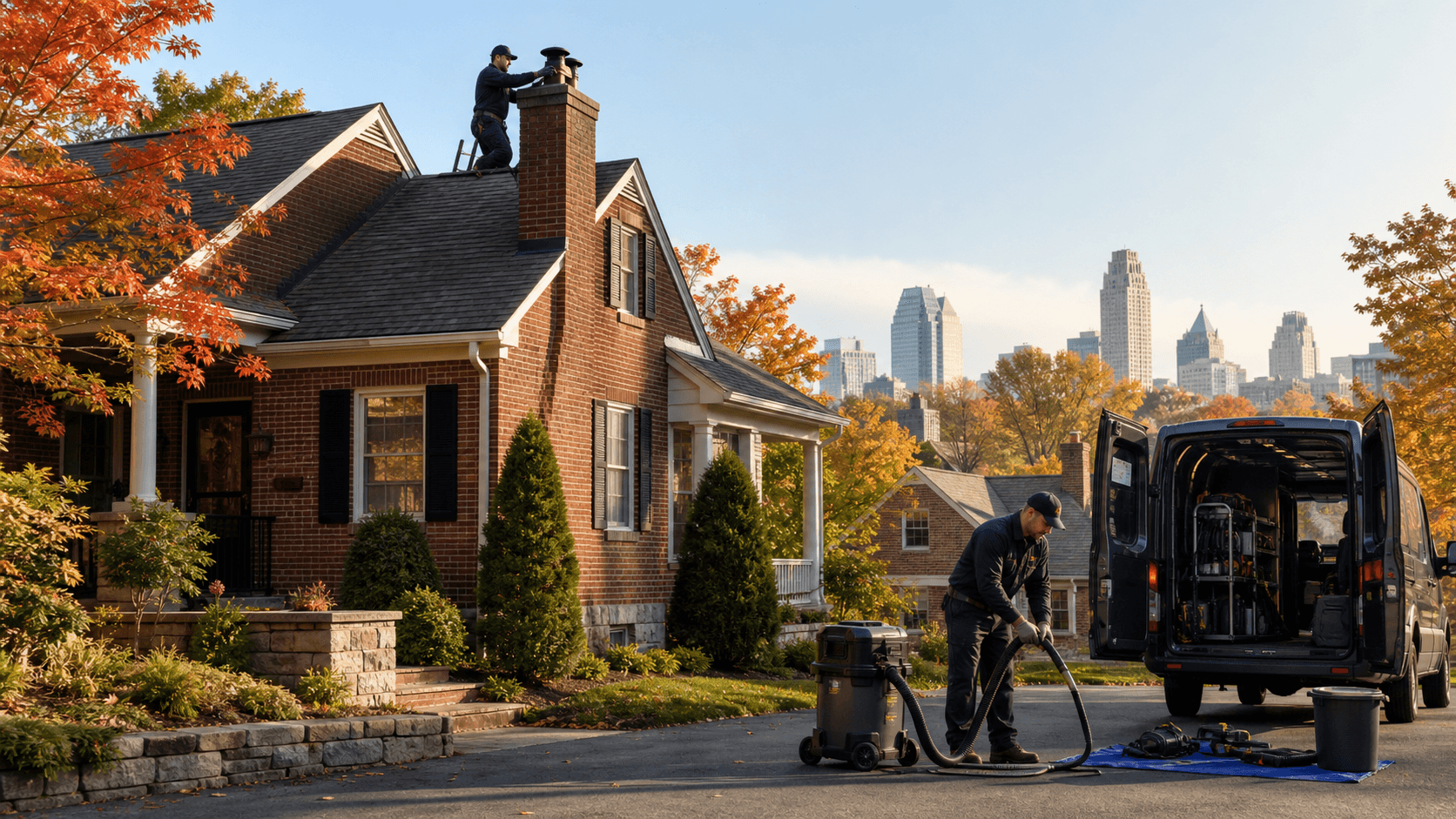
Around Greater Cincinnati, Northern Kentucky, Southeast Indiana, and the Dayton metro, we also see a lot of issues caused by water that hangs around too long. Clogged gutters, backed-up downspouts, and low roof spots can let water pool right next to the chimney. When wind pushes rain sideways during a storm, it can drive water into even tiny openings at this junction.
Once water sneaks past the flashing or masonry, it can travel along boards and beams before it finally shows up indoors. That is why the leak you see at your ceiling is often not right under the actual problem area.
Common Warning Signs Homeowners Miss
Many leaks around chimneys give off little hints before they turn into an obvious drip. Because these signs can be subtle, they are easy to overlook or blame on humidity or aging paint.
Inside the home, watch for:
- Faint brown or yellow stains on the ceiling near the chimney
- Peeling paint or bubbling drywall around the fireplace wall
- Musty odors in a room with a chimney, especially after rain
- Discoloration or soft spots on trim or woodwork near the chimney chase
Outside, take a quick look at the chimney and roof area when you can do so safely from the ground:
- Rusted, bent, or lifted flashing around the base of the chimney
- Cracked or crumbling chimney crown at the very top
- Loose or flaking bricks or mortar joints
- Moss, algae, or dark streaks on shingles near the chimney
- Gaps where siding meets the chimney chase on prefab units
These early clues often show up weeks or even months before you see an active summer leak where the roof meets the chimney. That gap gives you a helpful window of time to get a professional inspection and repair before you are dealing with interior damage.
Smart Summer Fixes for Chimney and Roof Leaks
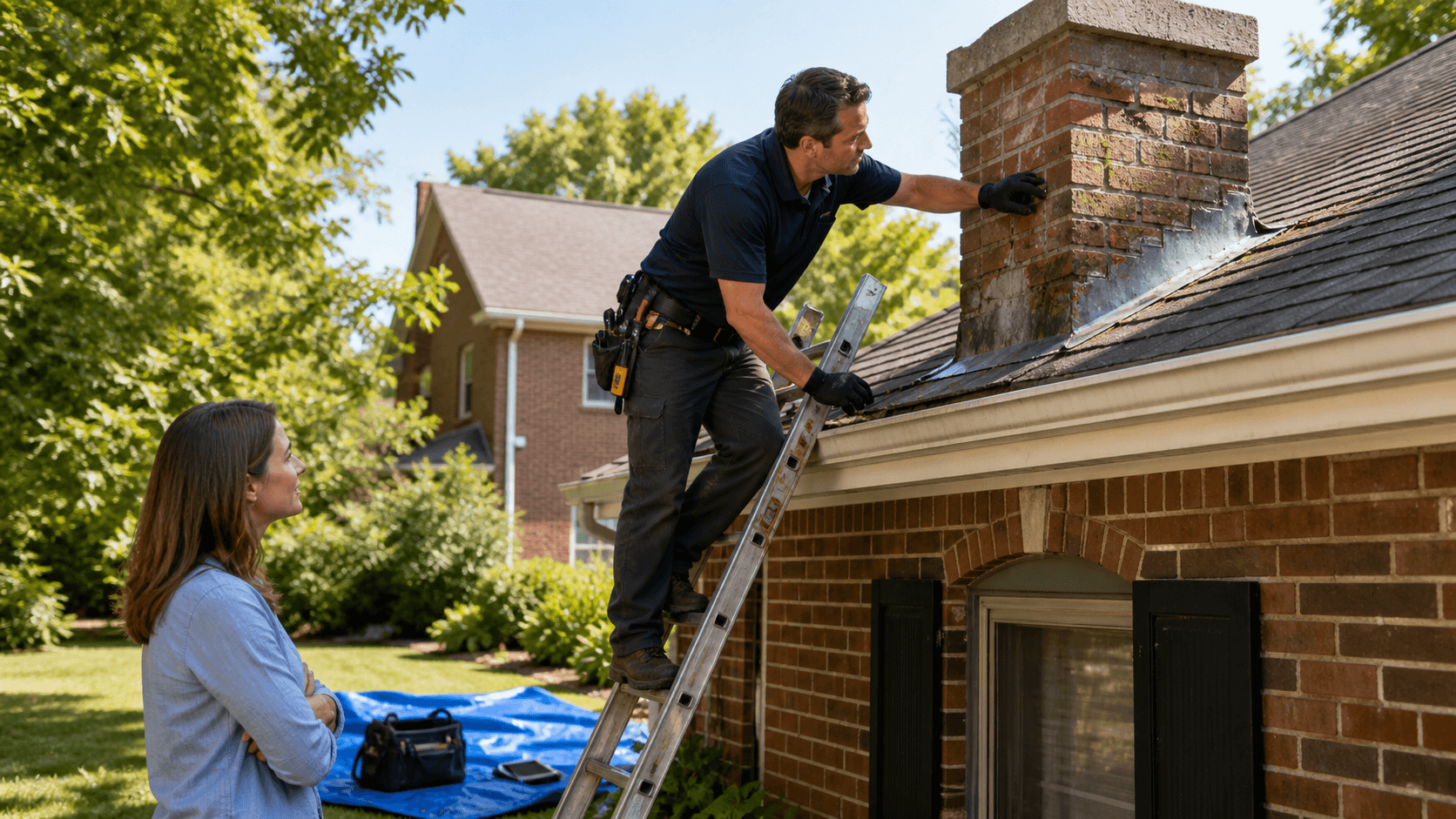
When we look at a leak around a chimney, our first job is to find the true source of the water, not just the wet spot. Water can enter in one place and show up in another, so guessing and smearing on sealant rarely solves the whole issue.
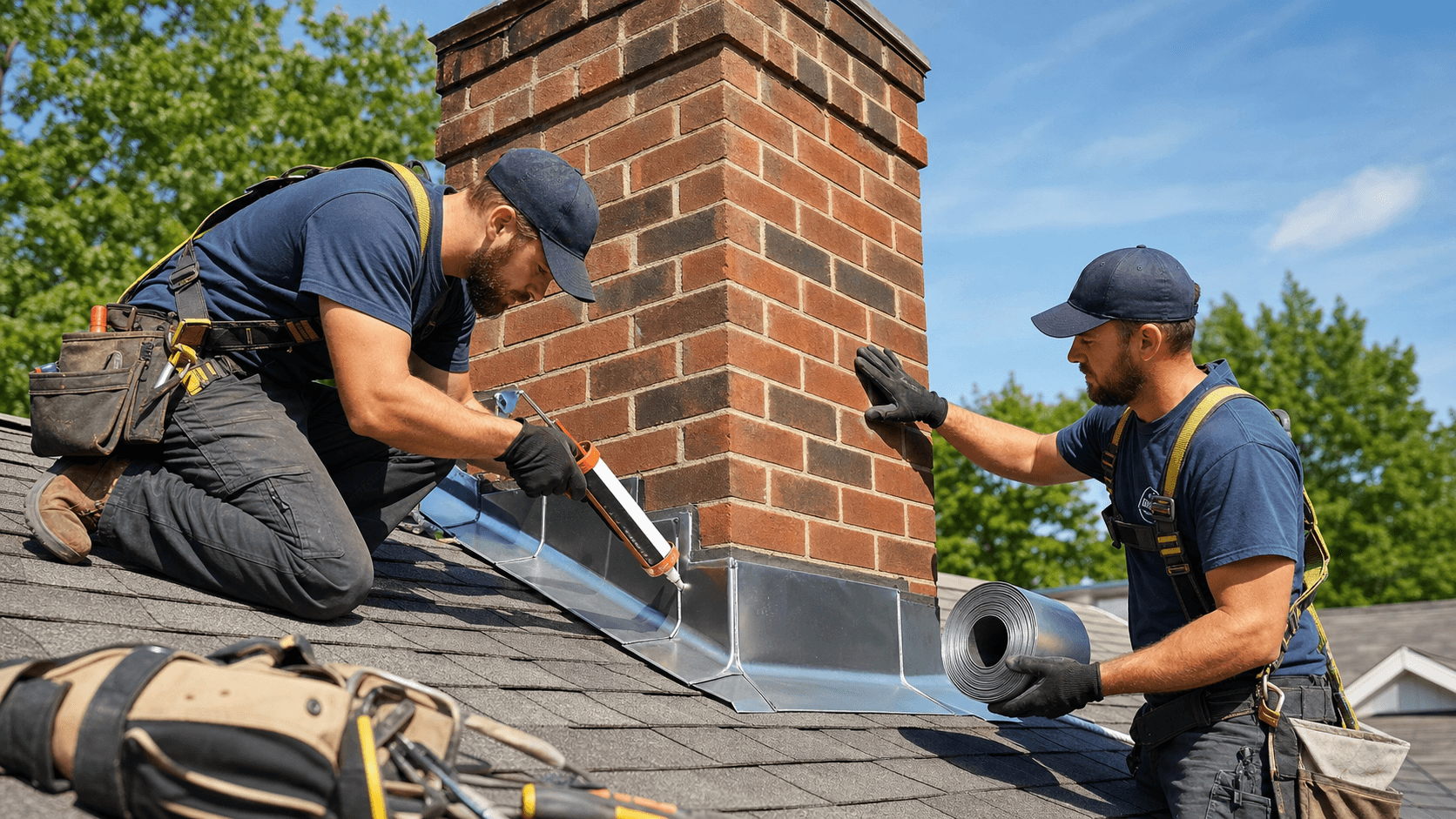
Professional repairs for leaks where roof and chimney meet might include:
- Replacing or reworking step flashing along the sides of the chimney
- Installing or resetting counterflashing into the masonry
- Resealing the flashing with the right products for that roof type
- Repairing damaged mortar joints and bricks around the flashing area
- Rebuilding or resurfacing a cracked chimney crown
- Addressing problems with the chase cover or siding on factory-built chimneys
A trained chimney and roofing specialist will look at the whole system: the masonry, flashing, roofing, gutters, and even the attic space under that section of roof. The goal is to see how water is moving through the area so the fix is complete, not just cosmetic.
Quick DIY patches with caulk or roof cement can cause trouble later. They often:
- Trap moisture under shingles or behind metal
- Hide deeper structural issues
- Age faster than the surrounding materials
- Risk creating new leaks as they crack and peel
That is why having a pro handle repairs is usually the best long-term choice if you want the leak to stay gone.
Seasonal Maintenance to Stay Leak-Free All Year
Good maintenance is the easiest way to avoid surprise leaks where the roof meets the chimney. A simple yearly routine can catch small problems before they soak into your home.
A helpful checklist includes:
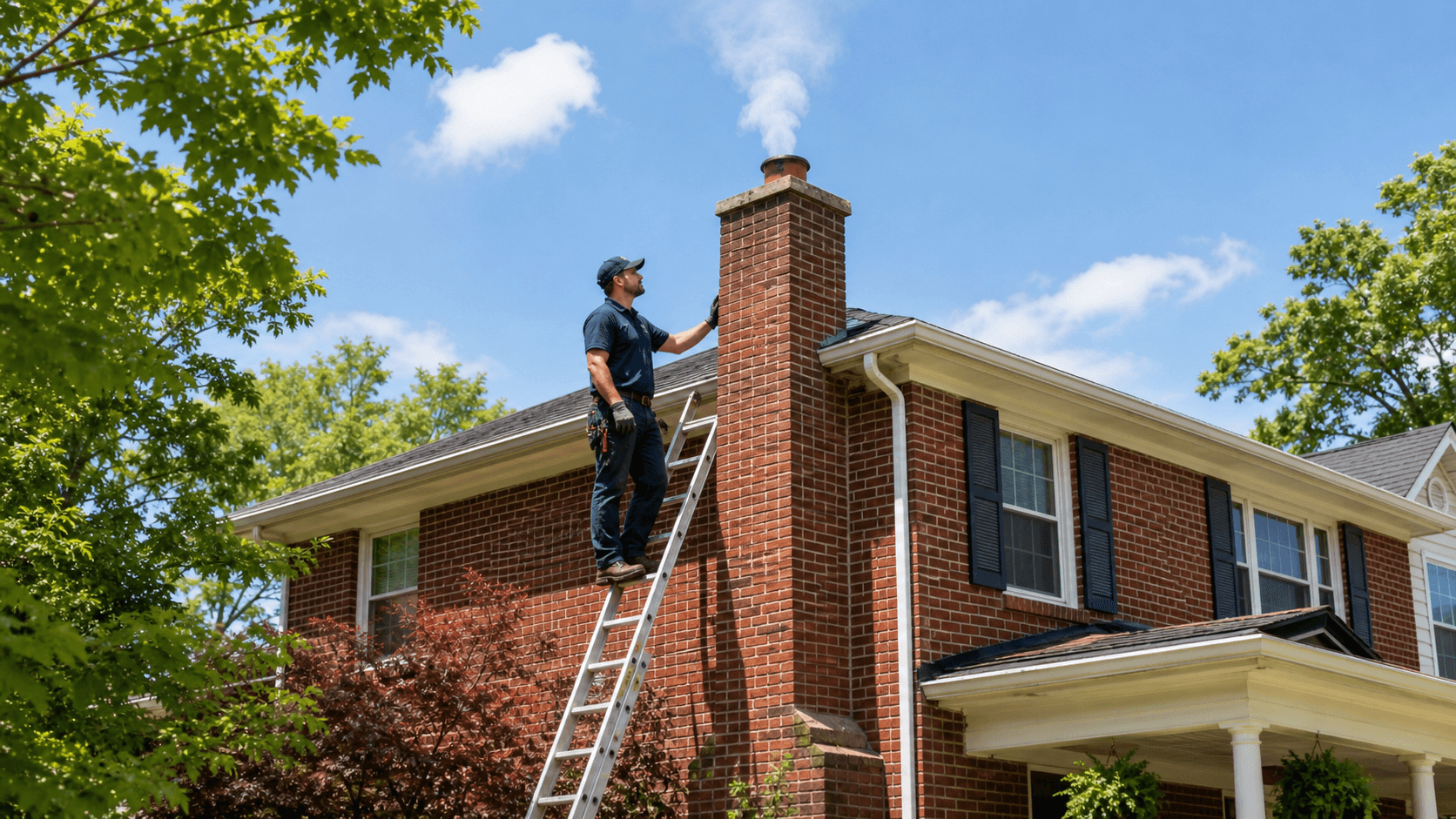
- Have the chimney masonry, crown, and flashing inspected before storm season
- Make sure gutters and downspouts near the chimney are clear and draining well
- Check that attic ventilation around the chimney is open and dry
- After heavy rains, do a quick ceiling check in rooms that share a wall with the chimney
- Keep tree branches away from the roof so they do not scrape shingles or drop debris
In our local climate, we see hot, humid summers, strong storms, and plenty of rain. That changing weather is tough on both roofing and chimneys. Regular checkups help you stay ahead of damage and keep small cracks, gaps, and weak spots from turning into entry points for water.
Consistent attention to this one joint, where your chimney and roof meet, protects a lot more than just shingles. It helps guard the inside of your home, your framing, and your masonry for the long run.
Protect Your Home From Costly Chimney Leaks Today
If you are seeing signs of a Leak where the roof meets the chimney, addressing it promptly can help prevent structural damage and hidden moisture problems. At Chimney Works, we carefully inspect the full chimney and roof transition to find the real source of the issue and provide long-lasting repairs. We will walk you through your options, answer your questions, and schedule service at a time that works for you. Reach out to our team through our contact page to get started.