When Chimney Inspection Results Do Not Add Up
Getting a chimney inspection in Middletown, OH should bring you peace of mind, not a headache. So when a report shows a long list of scary problems and high-dollar repairs, it is normal to pause and wonder what is really going on.
Your chimney plays a big role in home safety, especially when you start using your fireplace or stove again in the cooler months. Summer is a smart time to sort out questions about your inspection results, so you are not rushed once you are ready to turn on the heat. Our goal here is to help you understand, question, and double-check chimney findings so you can protect your home without spending money on work you do not need.
Common Red Flags in Chimney Inspection Reports
Many inspection reports include similar kinds of issues. Some are serious safety problems. Others are maintenance items that can usually be handled with some planning instead of panic.
You might see things like:
- Cracked flue tiles
- Missing or damaged chimney cap
- Deteriorating crown or mortar joints
- Heavy creosote or soot buildup
- Smoke backing up or draft complaints
Cracked flue tiles, a missing cap, and heavy creosote can affect safety and should never be ignored. They can raise the risk of chimney fires or let water and animals into the system. A worn crown or small mortar cracks may still need attention, but usually they are more about long-term damage and water entry than an emergency that must be solved that same day.
Watch for warning signs that the report itself might not be fully trustworthy:
- No photos, video, or clear visual proof of the claimed problems
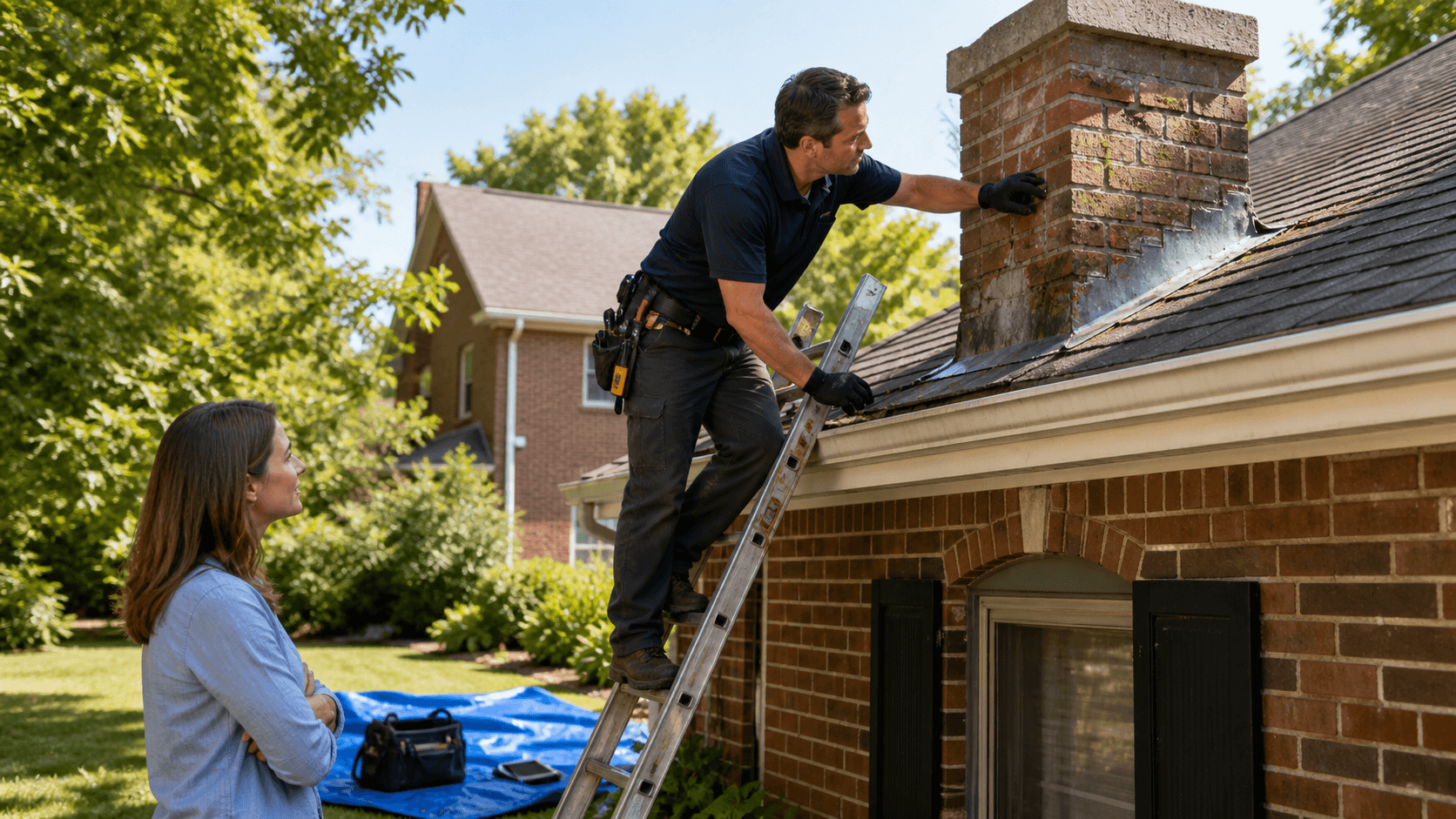
- A visit that feels rushed, with very little time spent on the roof or at the firebox
- Lots of technical language and code numbers with no simple explanation
- Vague statements like "this is unsafe" without saying exactly why
Another big red flag is exaggerated pressure, such as "you must fix all of this today or your house will burn down." That kind of fear-based push is not helpful. One-size-fits-all "packages" that bundle lots of work together, without breaking out what is truly needed, are another reason to slow down and ask more questions.
Understanding Chimney Codes and Safety Standards
Chimney inspections are not just based on opinion. They follow safety standards and building codes. Two of the big guides are standards from the National Fire Protection Association, often called NFPA, and local Ohio building rules.
In simple terms, there are three main levels of chimney inspections:
- Level 1: A basic yearly check for systems that have not changed and seem to be working normally
- Level 2: A deeper look, usually with a camera, when you sell or buy a home, change appliances, or after a problem like a chimney fire
- Level 3: An invasive inspection that may involve opening walls or masonry if there is strong reason to believe serious hidden damage is present
If the wrong level is done, results can be confusing. For example, if you are buying a home and only got a quick Level 1 inspection, some hidden issues might not show up. On the other hand, if someone calls a routine visit a "Level 3" but never explains what made that level needed, that is worth questioning.
A reputable chimney inspection in Middletown, OH should:
- Clearly state what level of inspection was performed
- Refer to the basic standards or code ideas that apply, in simple language
- Document what was seen with photos or video where possible
- Connect each recommended repair to a specific safety concern or code point
You do not need to memorize code books. You just need a technician who is willing to explain how each repair ties back to safety or proper performance.
How to Ask Smart Questions About Your Results
When an inspection report makes you uneasy, good questions are your best tool. A solid chimney pro should be happy to walk you through the details and should not make you feel rushed or silly for asking.
Here are some helpful questions to use:
- Can you show me clear photos or video of the damage you are talking about?
- Which of these items are true safety concerns, and which are maintenance or cosmetic?
- What could happen if this specific issue is not fixed this year?
- Is this repair one step in a bigger plan, or is it a complete fix by itself?
- Are there different repair options, and why are you suggesting this one?
Ask for an itemized written estimate that separates:
- Safety-critical repairs, like flue damage or heavy creosote
- Weather and water problems, like flashing or crown issues
- Optional upgrades, such as cosmetic brickwork or new fireplace accessories
It can help to:
- Take notes while you talk with the technician
- Ask for simple, written explanations of any big repair
- Set a later time to review everything instead of deciding on the spot
A calm, steady approach keeps the focus on what your chimney really needs.
When to Get a Second Opinion in Middletown
Sometimes, the best next step is to get another set of eyes on your chimney. A second opinion makes sense when you see:
- Recommendations for a full chimney rebuild
- Expensive relining or liner replacement that did not show up in past inspections
- Structural repairs that would affect walls, roofing, or large masonry sections
- A big jump in claimed problems compared to last year's report
When you have more than one report, line them up and compare:
- Which issues are mentioned in all the reports? Those are likely real
- Where do the reports strongly disagree? Focus your questions there
- Which company gave clearer photos, better explanations, and more time to talk?
An experienced local provider that knows Middletown homes and nearby areas like Cincinnati, and Dayton will also be familiar with common construction styles, soil and moisture conditions, and how our regional weather affects chimneys. That local knowledge can help make sense of what you are seeing.
How Chimney Works Approaches Honest Inspections
At Chimney Works, we serve Middletown along with Cincinnati, Northern Kentucky, Southeast Indiana, and the Dayton metro area, so we work with a wide mix of older and newer homes. Our focus during an inspection is simple: find what is really going on, explain it clearly, and help you decide what to do next.
Our typical approach includes:
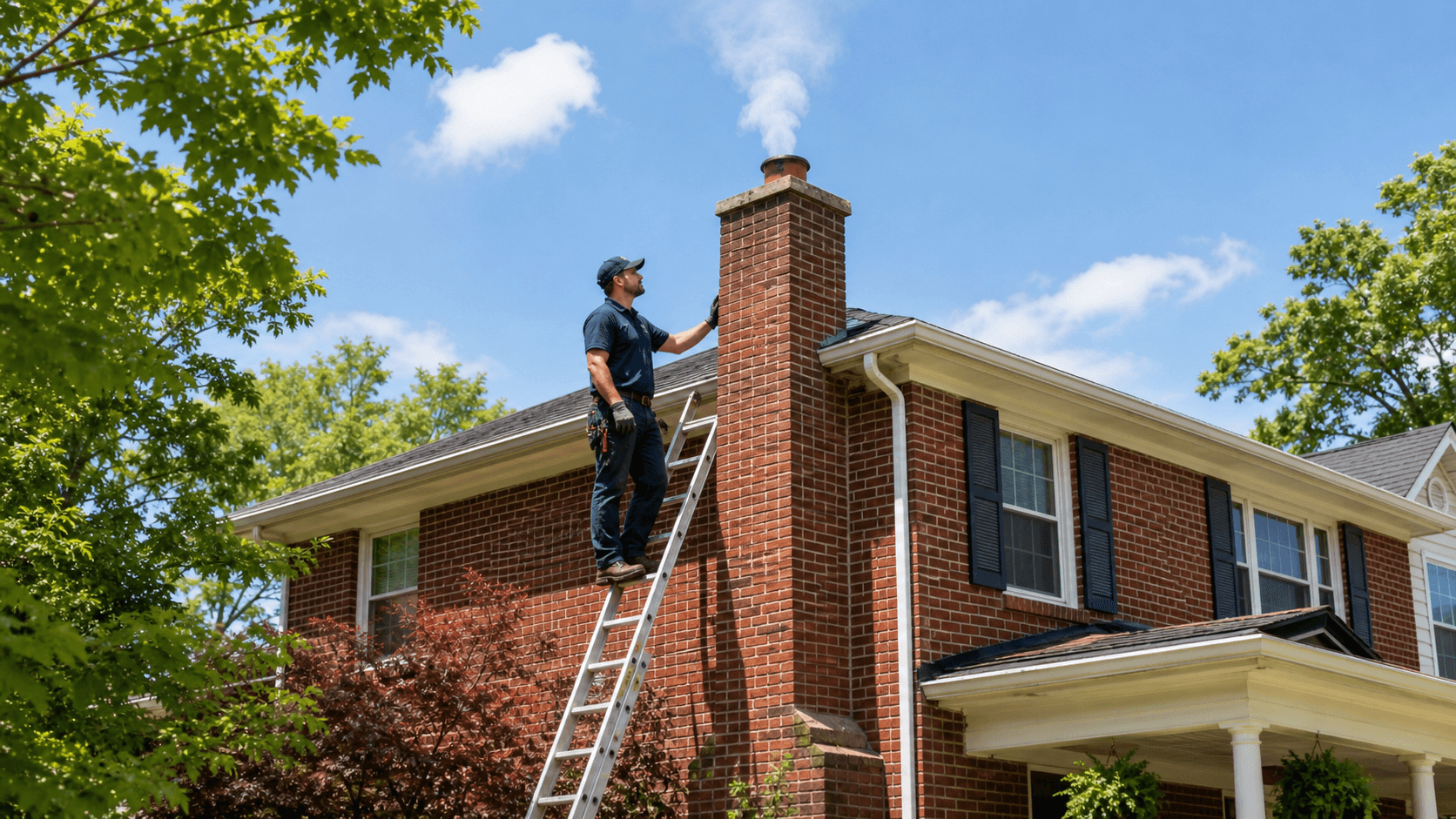
- Careful visual checks inside and outside the home
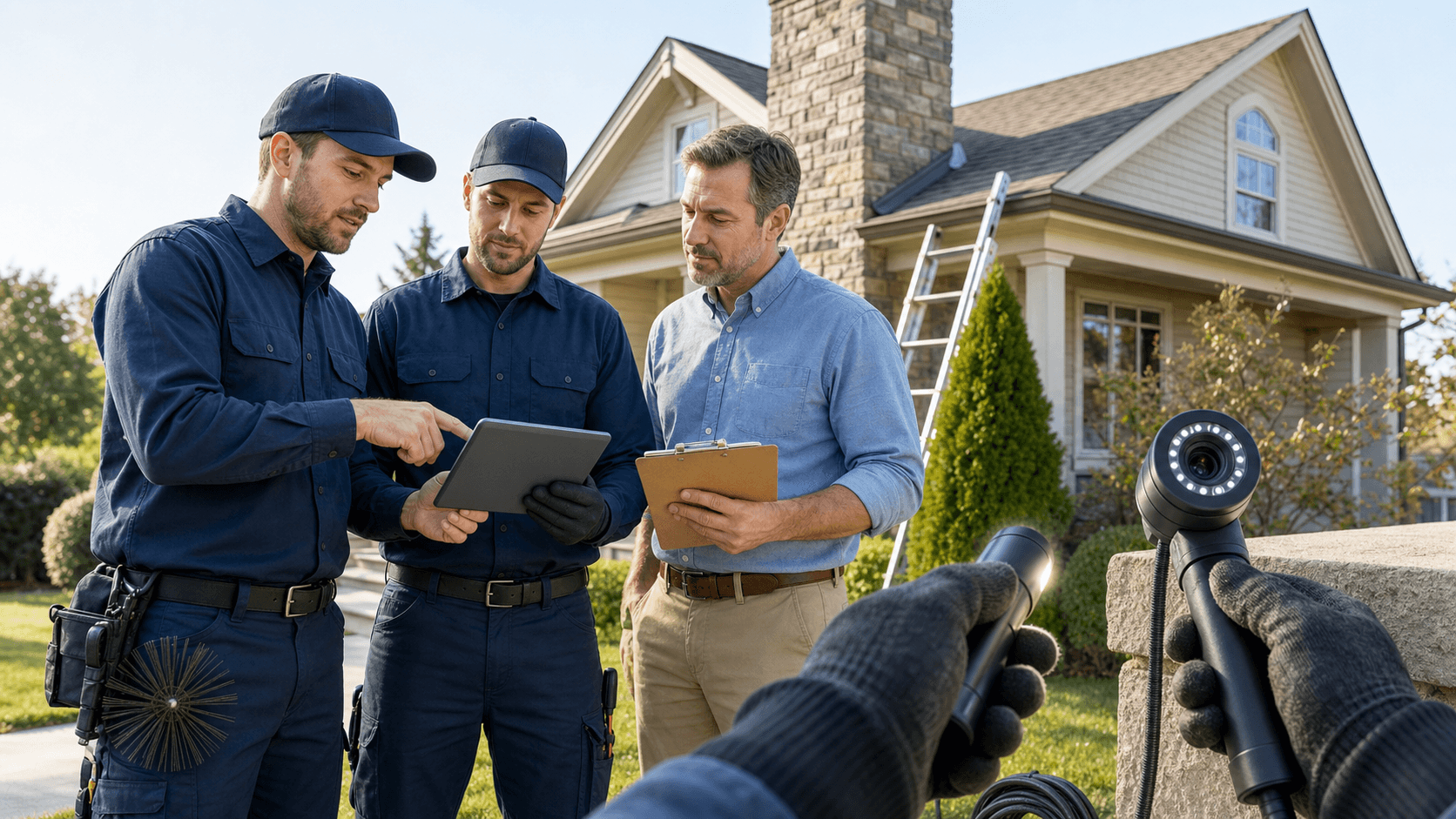
- Camera scans of the flue when the situation calls for a closer look
- Photo documentation of any damage, wear, or safety concern we find
- Written reports that spell things out in plain language, not just code terms
We lay out repairs by priority, starting with safety items, then water and damage prevention, then any comfort or cosmetic upgrades. We do not believe in high-pressure tactics or quick "act now" pushes. Instead, we give you information, answer your questions, and give you space to think through your choices.
We know that when you understand what is happening inside your chimney, you can make better decisions for your home and your budget.
Protect Your Middletown Home with Confident Next Steps
When a chimney inspection in Middletown, OH leaves you unsure, you are not stuck. You can spot red flags, ask direct questions, and, when needed, bring in a second opinion. Knowing the common chimney issues, the basics of inspection levels, and how honest reports are documented helps you sort real safety needs from confusing or inflated claims.
Summer is a great time to schedule or review chimney inspections, while the weather is mild and there is room on the calendar to handle any needed work before you are ready to use your fireplace or stove again. With clear information and a trustworthy professional by your side, you can head into the cooler months with a chimney that is ready, safe, and well understood.
Get Started With Your Project Today
If you have not scheduled your chimney inspection in Middletown, OH yet, now is the time to make sure your system is safe and ready for use. At Chimney Works, we carefully evaluate your chimney, identify any concerns early, and recommend only the repairs you truly need. Reach out to our team with any questions or to book your appointment through our contact page.