Stop Second-Guessing Chimney Leak Repair Estimates
Chimney leaks are a headache for many homeowners around Cincinnati, Northern Kentucky, Southeast Indiana, and the Dayton metro area. Spring storms roll through, the rain starts, and suddenly there is a stain on the ceiling or a musty smell near the fireplace. It is a common problem in our area, especially as weather shifts from cool and wet to hot and humid.
When you start calling for chimney leak repair, the estimates can feel confusing. One company says you just need a quick sealant. Another says you need major masonry work. The prices and explanations do not always line up, and it is easy to feel unsure about what is real. Our goal here is to explain what drives chimney leak repair, what a good inspection and estimate should include, and how you can read those estimates with confidence before you approve any work.
Why Chimneys Around Cincinnati Leak So Often
Our local weather is tough on chimneys. Rain, wind, and temperature swings all work their way into even tiny gaps. In this region, leaks often start because repeated seasonal stress slowly opens pathways for water, and once water finds a way in, it can travel farther than most homeowners expect.
Common weather factors that cause leaks include:
- Freeze and thaw cycles that open small cracks in brick and mortar
- Heavy spring rains that push water into weak points in crowns and caps
- Summer downpours that overwhelm old flashing around the base of the chimney
Many homes in this region are older and have chimneys that have been through a lot of seasons. Over time, parts of the chimney can wear out or were never modernized. For example, masonry can become more absorbent, roofline sealing components can loosen, and older crown materials may crack and fail.
Wear and age factors often include:
- Aging brick and mortar that have become porous
- Older flashing systems that no longer seal tightly to the roof
- Chimney crowns that were built with weak or cracking materials
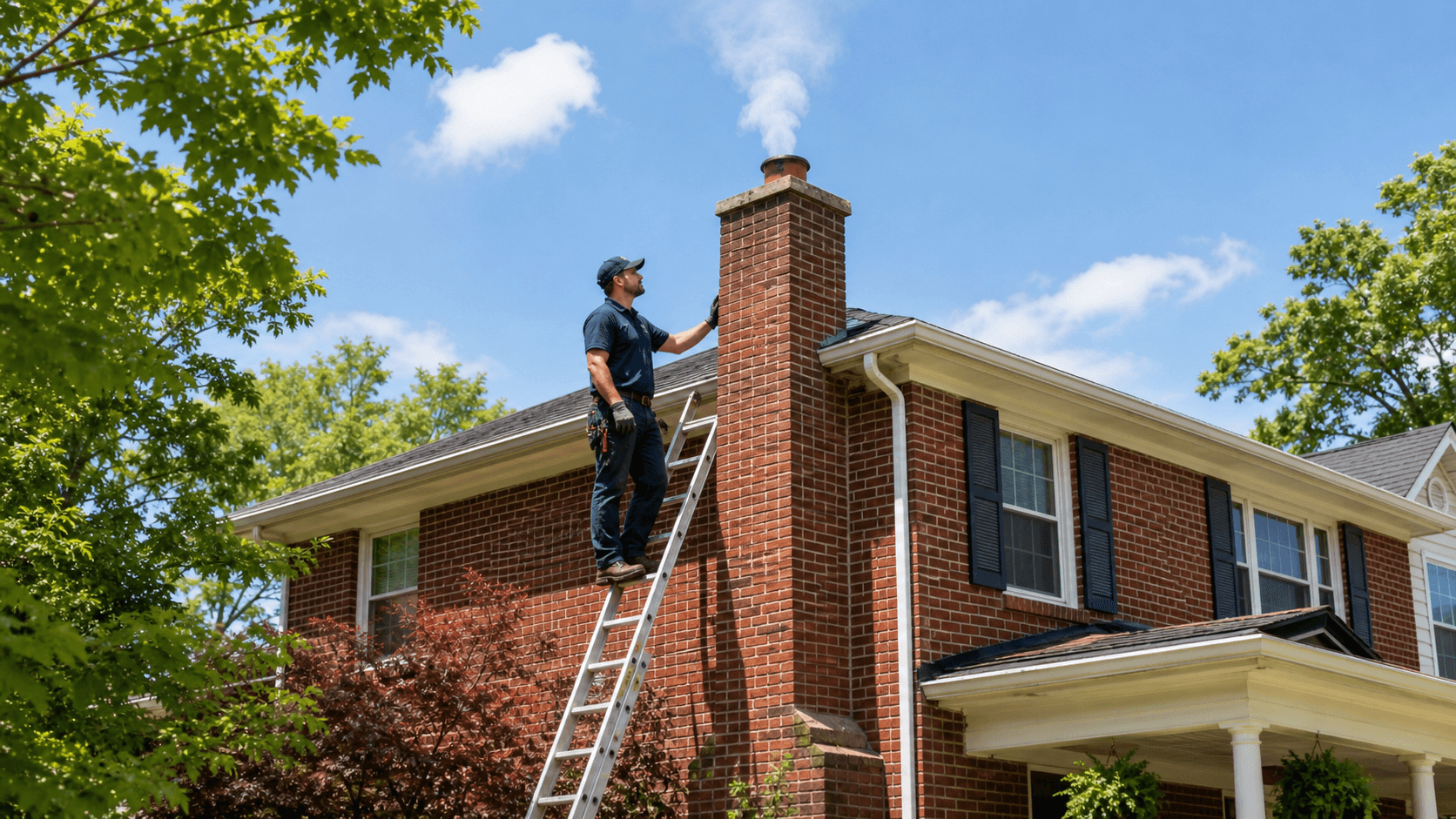
The tricky part is that many of these problems are not visible from your yard. A chimney can look "fine" from the ground while water is still slipping in through a crown crack, a flashing gap, or a failed cap. Hidden trouble spots often include:
- Deteriorated crowns that have hairline cracks letting water in
- Missing or damaged chimney caps that allow direct rain entry
- Porous brick that soaks up water like a sponge
- Faulty flashing where the chimney meets the roof
- Compromised flue liners that let moisture travel inside the structure
This is why a quick glance from the ground rarely tells the full story and why a proper leak inspection matters so much.
What a Trustworthy Chimney Leak Inspection Includes
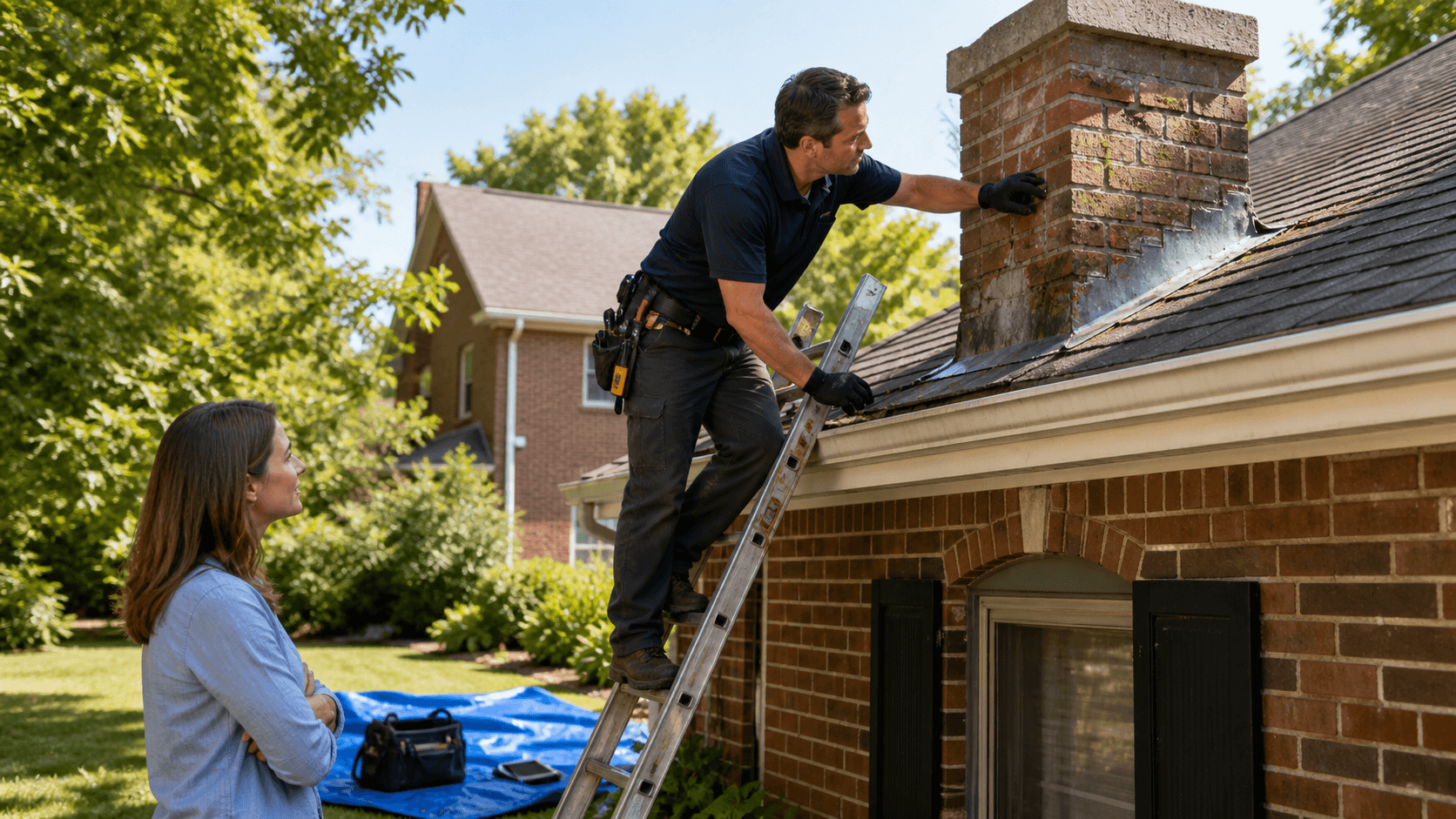
A reliable chimney leak inspection is more than a fast look with binoculars. It should feel thorough, clear, and safe, because the goal is to pinpoint where water is entering and how it may be spreading through the chimney and nearby parts of the home.
A good inspection usually includes:
- Roofline assessment to see how the chimney and roof meet
- Masonry check for cracks, gaps, and spalling brick
- Crown and cap inspection to find missing pieces or failed sealant
- Flashing evaluation to see if metal is loose, rusted, or poorly sealed
- Interior checks for stains, peeling paint, odors, and signs of mold
Many chimney professionals also use tools and methods that help remove guesswork. Instead of asking you to trust a verbal explanation, they gather visual and measurement-based evidence that supports the repair recommendations.
Tools and methods may include:
- Photos or videos from the roof to show you what they see
- Moisture readings near the chimney structure
- Internal flue camera inspections when there are signs of deeper damage
The inspection should not end with a quick verbal summary. Trustworthy chimney leak repair includes clear documentation so you can connect the findings to the estimate and understand what is urgent versus what can be monitored.
Clear documentation typically includes:
- Written findings that list each problem area
- Photos labeled so you know which part of the chimney you are looking at
- A simple explanation of how each issue may be causing or spreading the leak
When you understand where the water is getting in and how it travels, it is much easier to decide which repairs make sense.
Breaking Down Chimney Leak Repair Estimates Line by Line
Once the inspection is done, the estimate should show you how the recommended repairs were chosen. A good estimate will separate the work into clear parts so you can see what you are paying for, what materials will be used, and how the work ties back to the inspection results.
You should see some explanation of labor and materials, such as:
- Skilled masonry or roofing labor for repairs and rebuilds
- Safety setup like ladders, roof access, or scaffolding
- Quality materials such as new flashing, bricks, mortar, sealants, crown mixes, caps, or chase covers
The scope of work should be spelled out, not hidden in a single line. If an estimate lists multiple repair actions, it should be because each item addresses a specific leak pathway or a related failure point that could cause the leak to return.
Common chimney leak repair items include:
- Tuckpointing loose or missing mortar joints
- Crown repair or full crown rebuild
- New flashing or counter-flashing around the chimney base
- Chimney cap or chase cover replacement
- Water repellent application on masonry to slow absorption
- Interior damage checks or referrals if water has reached walls or ceilings
Warranty details also matter. While stronger materials and code-compliant methods might cost more at first, they are often the reason you do not have to fix the same leak again and again. Quality work can help prevent issues like repeat water stains, musty odors, or mold growth inside the home.
Red Flags When Comparing Chimney Repair Quotes
Not every estimate is equal. Some quotes can tell you more about the company than they do about your chimney, especially when the proposal is too vague to connect the price to the actual work being performed.
Watch out for:
- Vague or one-line estimates that only list a single total price
- No clear list of materials or steps, just general words like "seal chimney"
- No explanation tying the recommended work to the actual leak
Unusually low bids can be tempting, but they may come with trade-offs. In many cases, the low number reflects shortcuts that reduce upfront cost while increasing the odds of repeat leaks or incomplete repairs.
Possible trade-offs include:
- Only brushing a surface sealant over deep cracks
- Skipping proper flashing repair and only caulking edges
- Using untrained or uninsured labor on a steep roof
Be careful with anyone who uses high-pressure tactics. A trustworthy professional should be willing to explain the findings, show supporting photos, and give you time to review the estimate without forcing a same-day commitment.
High-pressure warning signs include:
- "Today only" pricing that pushes you to decide on the spot
- Hesitation to show photos or explain where the leak starts
- No proof of insurance or any references when asked
If anything feels unclear, that is a sign to slow down, ask more questions, or get another opinion.
Seasonal Timing, Prevention, and Honest Local Estimates
Timing your chimney leak repair around our local weather can help you stay ahead of problems. Late spring and early summer can be a smart time to address leaks. The rainy season has started, so leaks are easier to spot, but the heavy fall burn season has not arrived yet. That window can make scheduling easier and reduce the chances that a minor leak turns into interior damage.
Preventive maintenance is a powerful way to keep chimney leaks from starting in the first place. Helpful steps include:
- Regular chimney sweeping by a professional
- Annual inspections to catch early cracks and gaps
- Routine checks of crowns, caps, and flashing
- Professional waterproofing for exposed masonry
Inside the home, it is also smart to stay alert for early warning signs and moisture conditions that can make leak impacts worse. Simple observations after storms can help you catch problems before they spread.
Inside-the-home checks may include:
- Watch ceilings and walls around the chimney for early water stains
- Pay attention to odors near the fireplace after a storm
- Address attic ventilation so moisture does not build up around chimney framing
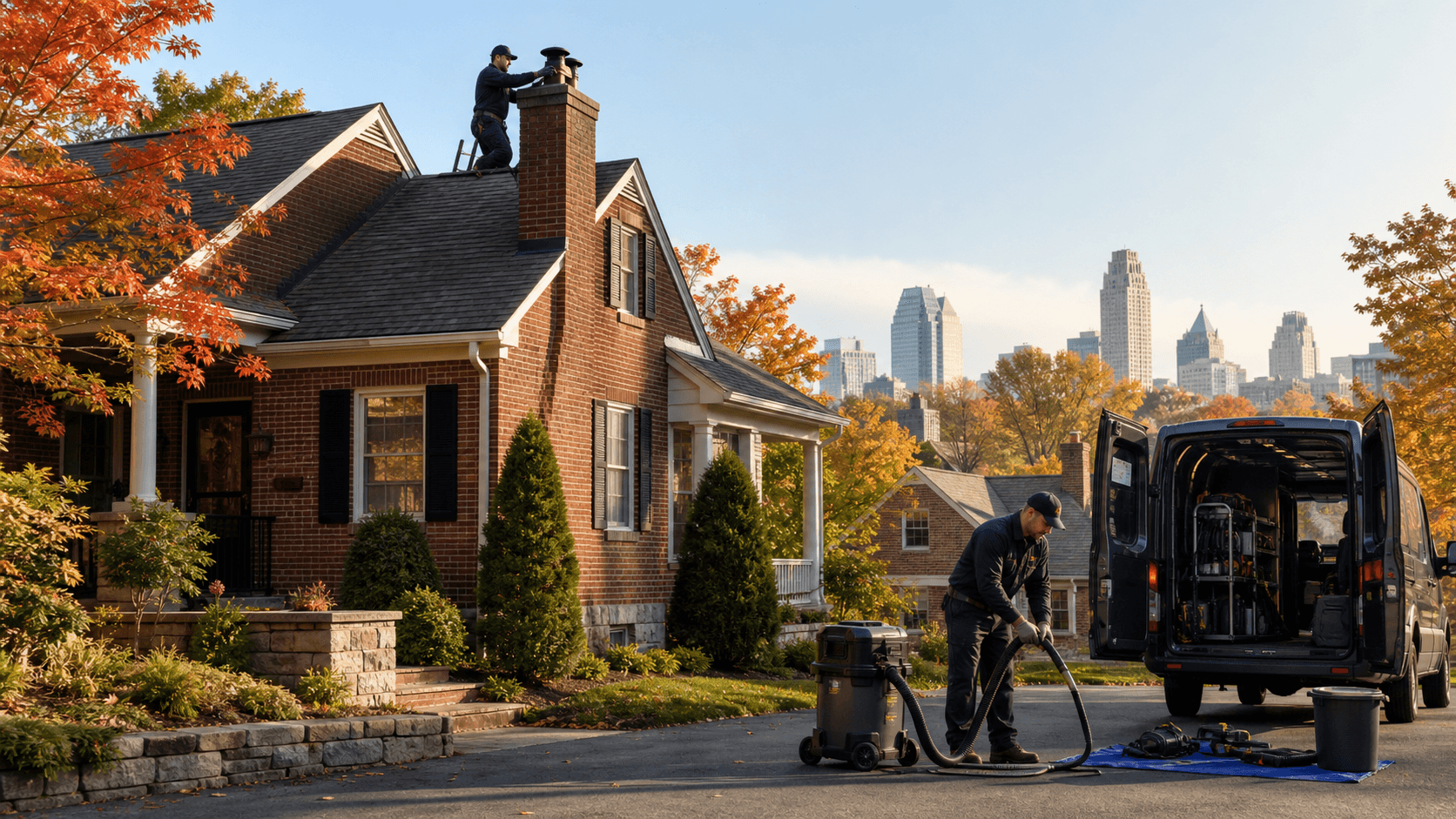
As a local chimney and fireplace company serving the greater Cincinnati, Northern Kentucky, Southeast Indiana, and Dayton metro areas, we know how our weather and construction styles affect chimney leak repair. At Chimney Works, we focus on honest, clear estimates. We explain findings in plain language, share photos from the roof when needed, and outline the scope of work so you know what is being done and why. Our team follows safety standards and local codes so repairs are done the right way the first time, with the goal of keeping water out of your home for the long run.
Protect Your Home With Professional Chimney Leak Repair Today
If you are seeing water stains, damp odors, or crumbling masonry around your fireplace, it is time to schedule expert chimney leak repair. At Chimney Works, we quickly identify the source of the leak and fix it before it leads to costly structural or interior damage. We will walk you through the repair process, answer your questions, and provide clear pricing so you can make confident decisions. Schedule an appointment or request an estimate by using our contact page today.