Stop Guessing: Find the Real Source of Chimney Roof Leaks
Water stains on the ceiling near your fireplace are stressful. Peeling paint, soft drywall, or a musty smell can make you think the whole roof is failing. Many homeowners jump straight to blaming the shingles, but the leak often starts somewhere else, especially around the chimney.
Roof leak detection around a chimney is tricky because water does not always show up where it enters. It can run along rafters, framing, or brick, then appear several feet away. When the source is misdiagnosed, people can spend money on the wrong repair while the real problem keeps getting worse. Our goal is to help you understand why chimneys are high-risk leak spots, how to spot early warning signs, and what a proper inspection and repair really look like in homes across the Cincinnati, Northern Kentucky, Southeast Indiana, and Dayton areas.
Why Chimneys Are High-Risk Leak Zones
Any time something pokes up through your roof, it creates a weak point. Your chimney is a big one. The roof has to meet the sides of the chimney, and that joint needs to be sealed the right way to keep water out.
Around a chimney, several parts can let water in if they are worn or damaged:
- Flashing at the base of the chimney where it meets the roof
- Counterflashing that tucks into the brick or stone
- Mortar joints between bricks or blocks
- The chimney crown at the very top
- The chimney cap that keeps rain and animals out
When any of these start to fail, even a small opening can act like a funnel during a hard rain. In our Midwestern climate, age, freeze-thaw cycles, and past storms can speed up this wear. Water gets into tiny cracks, freezes in cold weather, then it expands and breaks things apart even more. After years of this, your chimney can let in a surprising amount of water.
One of the trickiest parts of roof leak detection is that water at the chimney does not always show up only around the fireplace. It might travel and appear:
- In the attic near framing or insulation
- As stains on ceilings in nearby rooms
- As damage along interior walls or around windows
So a "roof leak" at one end of the room may actually start at the chimney on the other side of the house. That is why guessing often leads people in the wrong direction.
Spotting Warning Signs Before the Next Summer Storm
You do not need to climb on your roof to notice early clues. Many warning signs show up inside or at eye level.
Indoors, pay attention to things like:
- Yellow or brown water stains on the ceiling near the chimney
- Bubbling or peeling paint and wallpaper
- Warped trim or baseboards near the fireplace wall
- Musty or damp smells, especially after a storm
Outside, take a careful look at the chimney and the area where it meets the roof. Watch for:
- Flashing that looks cracked, bent, or pulled away
- Rust streaks near metal parts
- Bricks that are flaking or spalling
- Gaps or holes in the mortar joints
- A chimney crown that is cracked or broken
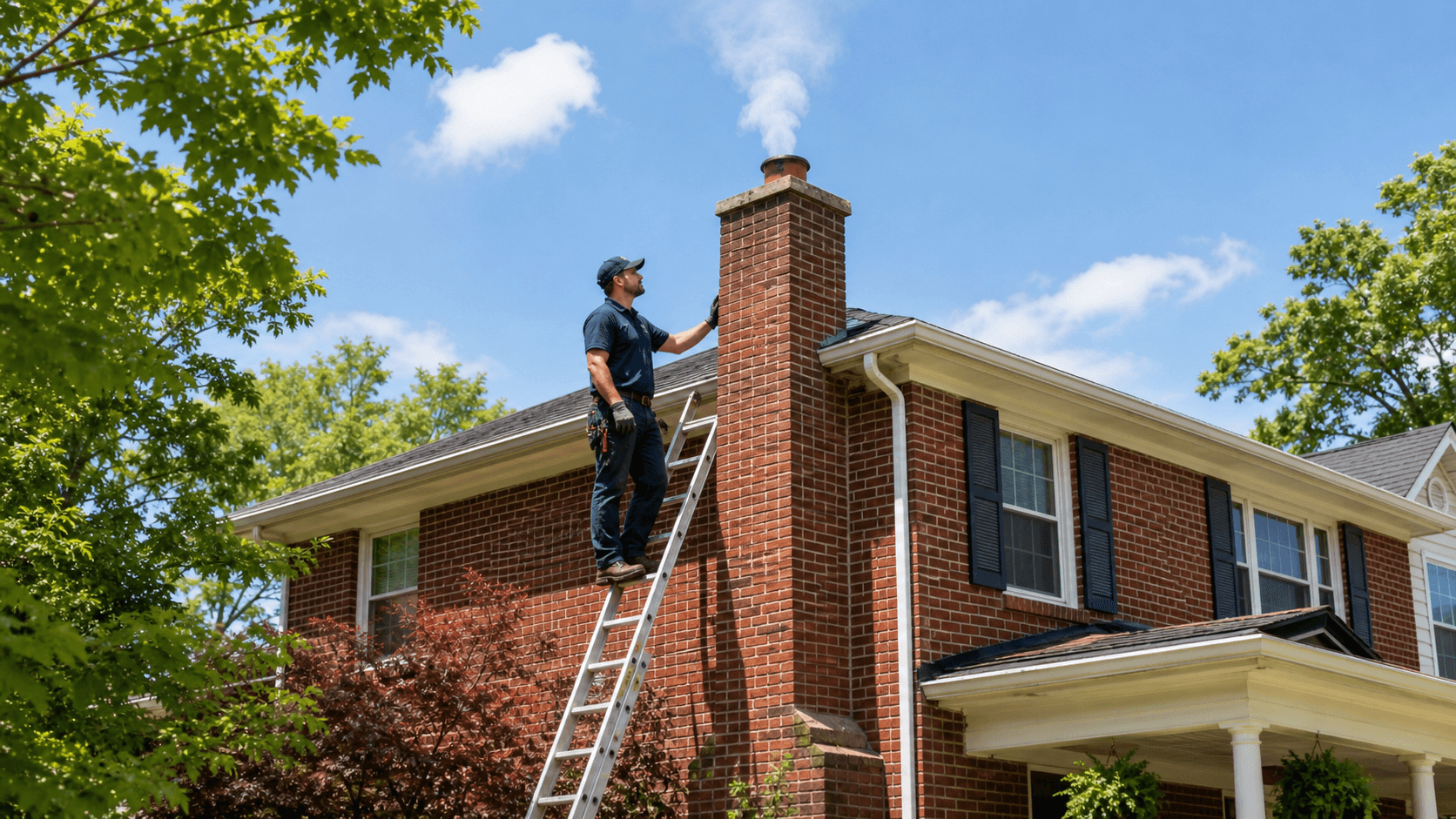
- A chimney cap that is loose, tilted, or missing
Heavy thunderstorms that roll through in late spring and early summer tend to "test" every weak point in your roof and chimney connection. Many homeowners first notice problems after one of those strong storms. If you catch the signs early, repairs are usually smaller and more focused. Waiting until fall, when you want to use your fireplace again, often means the water has had more time to damage wood, insulation, or drywall quietly.
How Pros Perform Accurate Roof Leak Detection
A careful roof leak inspection around a chimney is more than a quick look from the driveway. When we check for leaks, we follow a step-by-step process so we are not guessing.
A typical visit often includes:
- Checking the attic for wet insulation, stained wood, or visible water trails
- Looking at the ceiling and walls near the chimney from the inside
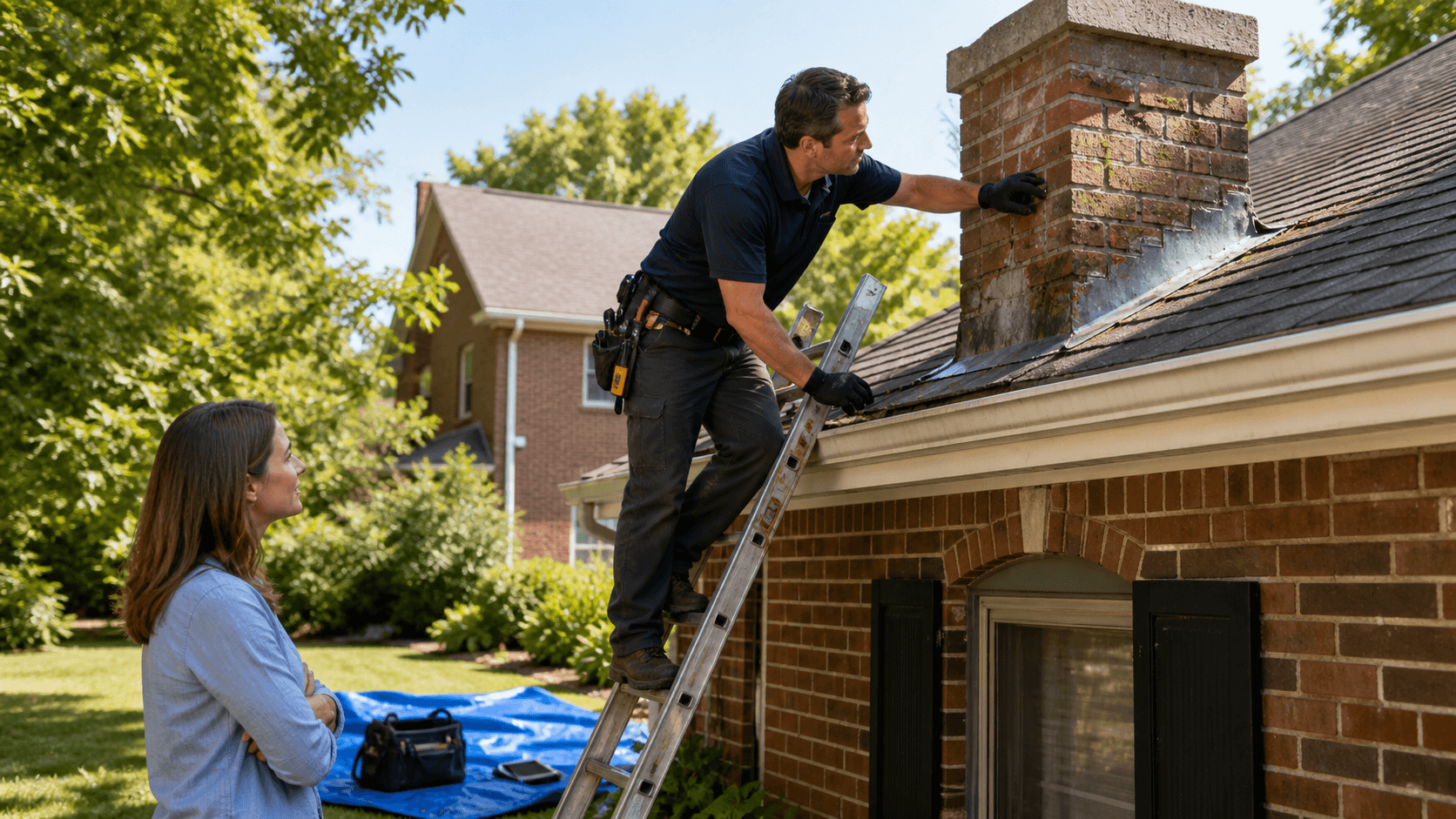
- Inspecting the chimney from the outside, including masonry, crown, cap, and flashing
- Examining the roof surface and any nearby vents or penetrations
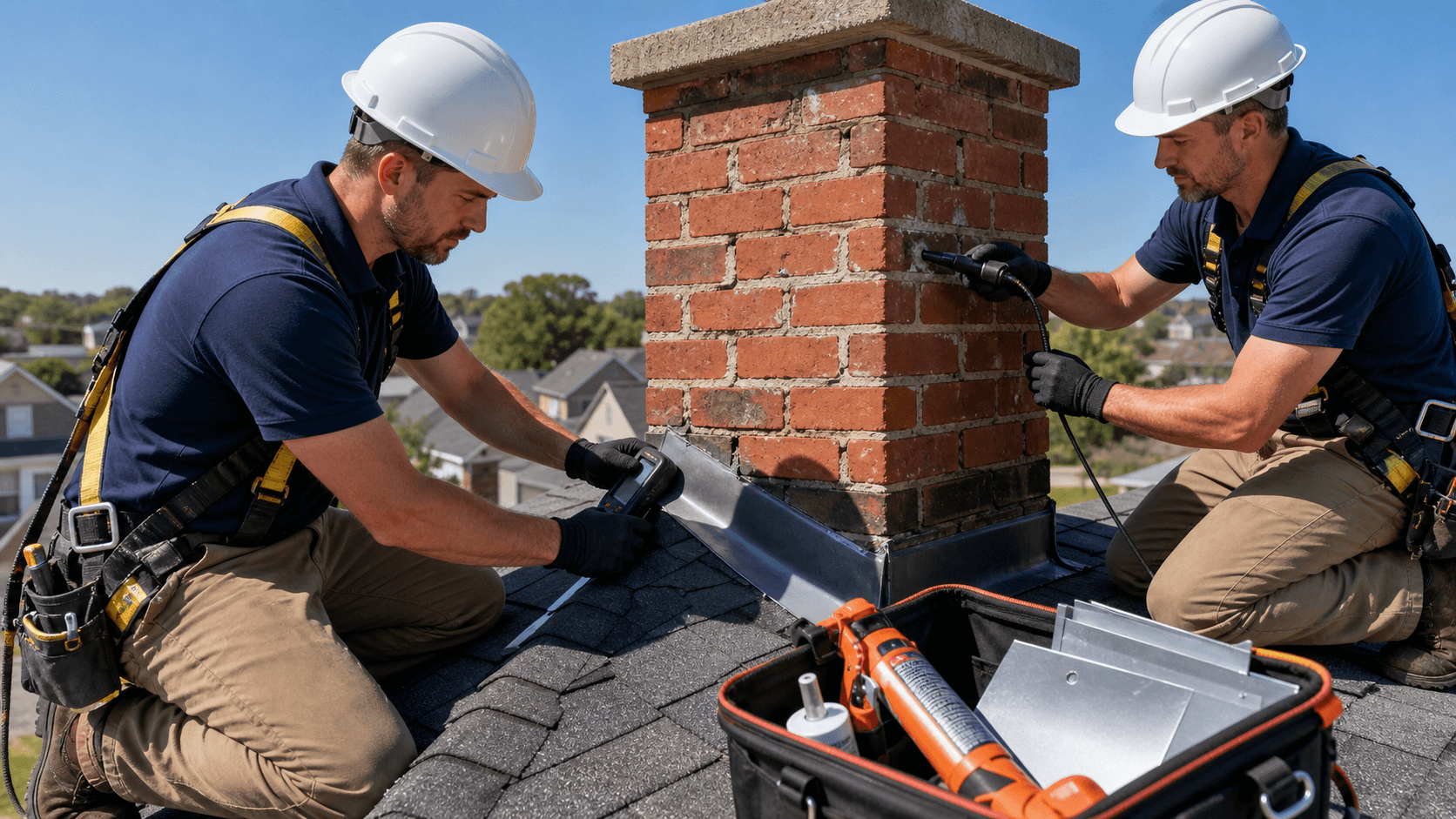
We may use tools like moisture meters to see how far water has spread inside walls or ceilings. In some cases, controlled water testing can help us see exactly where water starts to enter, by wetting specific areas in a planned order and watching what happens inside. The idea is to trace the leak path from the stain back to the true source, not just treat the visible damage.
This is very different from a quick fix like smearing roof cement or caulk around the base of the chimney. Those surface fixes might slow things down for a short time, but they often trap water, hide the real issue, and lead to more damage later. Chimneys have their own set of parts and problems, so it helps to have someone who works with masonry and fireplaces every day, not just general home repairs.
Repair Options That Actually Stop Chimney Leaks
Once the source of the leak is clear, the repair plan can match the real problem. There is no one "right" fix, because each chimney and roof is different, but common solutions include:
- Resealing or replacing damaged flashing around the chimney base
- Repairing or rebuilding a cracked chimney crown
- Repointing mortar joints where the old mortar has fallen out
- Replacing damaged bricks or blocks and restoring the masonry
- Installing or fixing a proper chimney cap to keep rain from going straight down
Sometimes a simple maintenance repair is enough, like sealing fresh flashing or tightening up a few minor cracks. Other times, the water damage has been going on for years and parts of the chimney need deeper repair or a partial rebuild so the problem does not come back.
To help protect your chimney long term, it often makes sense to combine repairs with preventive steps, such as professional waterproofing of the chimney masonry. This can help your chimney resist many seasons of rain, snow, and temperature swings. In some homes, the best results come from coordinating chimney work with roofing work, so both systems are sealed together properly. When the roof and chimney support each other as a system, future roof leak detection becomes a lot simpler, because there are fewer weak points to worry about.
Protect Your Home Now with a Local Chimney Leak Check
If you are seeing stains, peeling paint, or any other signs of moisture near your chimney, it is worth getting it checked before the next round of strong storms. Mystery leaks that appear, disappear, and then return again are often tied to the chimney, especially in homes with older masonry or flashing.
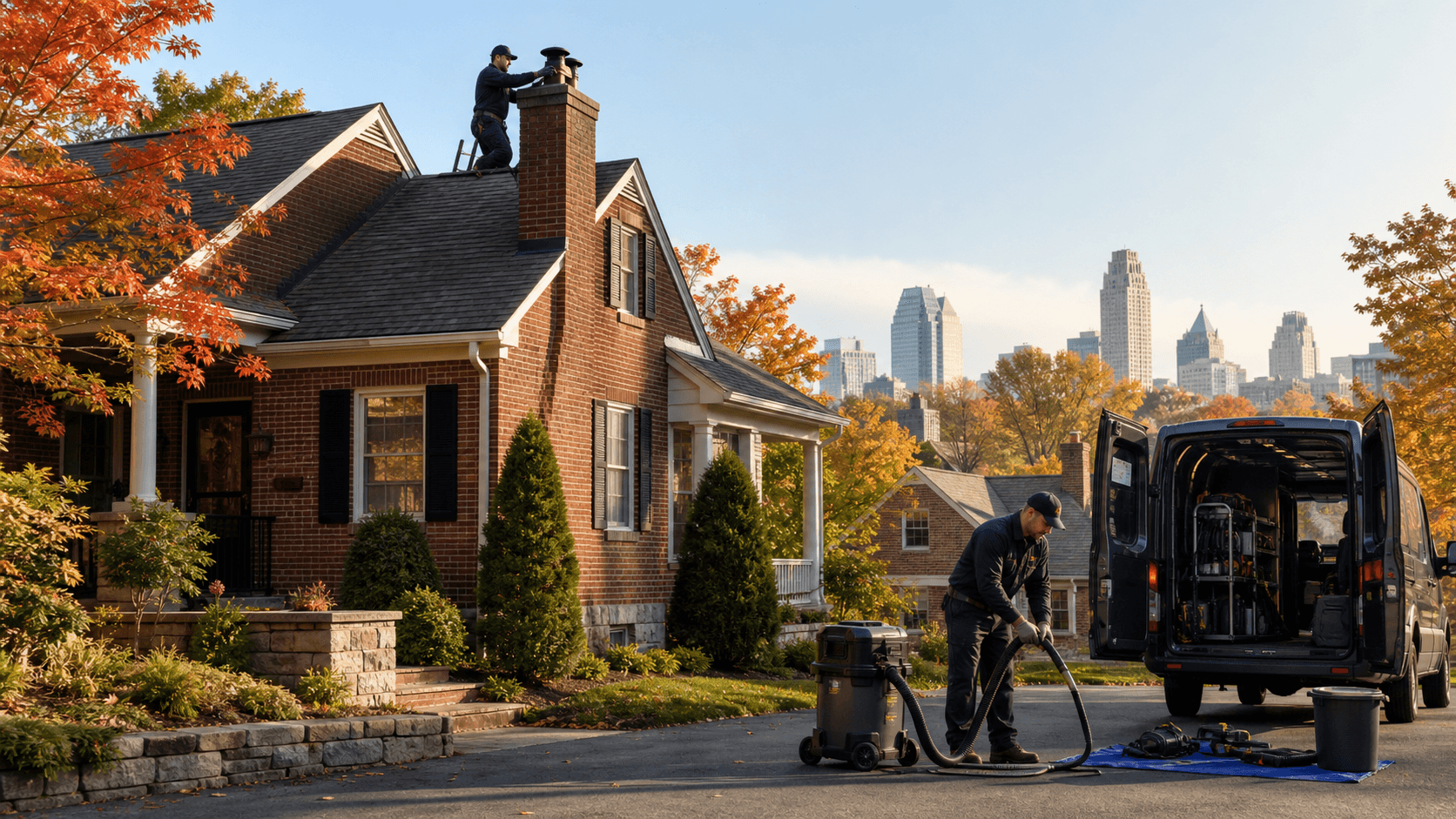
Chimney Works serves homeowners across Cincinnati, Northern Kentucky, Southeast Indiana, and the Dayton metro area with chimney-focused inspections and repairs aimed at finding the real source of roof leaks around fireplaces and masonry. A careful chimney leak check, paired with the right repair plan, can help keep your roof structure dry, protect your home from hidden rot and mold, and keep your fireplace ready when cooler weather arrives.
Get Started With Your Project Today
If you are seeing water stains or suspect a hidden issue, our team at Chimney Works is ready to help with precise roof leak detection and lasting repair solutions. We carefully inspect your chimney and surrounding roofing to pinpoint the source of leaks before they cause more damage. Reach out today to schedule an inspection or ask questions about your specific situation. You can contact us to get started with a plan that fits your home and budget.