Stop Chimney Leaks Before Summer Storms Hit
Heavy spring and summer rains around Fairfield and Butler County have a way of finding weak spots in your home, and your chimney is one of the first places water likes to sneak in. A small leak at the top of the chimney can travel through brick, mortar, and framing before you ever see a stain inside. By the time you notice a brown ring on the ceiling or a musty smell near the fireplace, water may have been getting in for a while.
Unnoticed chimney leaks can lead to stained ceilings and walls, soft or moldy drywall, damaged masonry, and rusted fireplace parts. Over time, this can affect both comfort and safety. That is why a simple rainy season checklist, done before the worst storms hit, can help protect your home. When you pair that checklist with help from a local chimney professional, chimney leak repair in Fairfield becomes faster, safer, and far more effective.
Spotting Early Signs of a Leaking Chimney
Water usually gives you warnings before it causes serious trouble. Inside the home, pay close attention to the area around your fireplace and chimney chase. Small changes are often the first signs that you have a leak starting at the roof or chimney top.
Common interior warning signs include:
- Water stains or brown rings on the ceiling near the chimney
- Peeling paint or bubbling wallpaper on the wall by the fireplace
- Musty or damp odors around the firebox, even when it has not rained for a few days
- Rust on fireplace doors, the damper, or metal firebox parts
- Warped or swollen baseboards or flooring near the hearth
Outside, the chimney itself can tell you a lot. When you are safely on the ground, take a slow look from different angles.
Exterior warning signs to watch for:
- Dark streaks or damp patches that stay on the chimney long after rain stops
- Crumbling or missing mortar joints
- Vegetation, moss, or algae growing on bricks or stone
- Rusted metal at the top of the chimney or along the sides
It is easy to brush off a faint stain or a little flaking mortar as "no big deal." The problem is that water damage usually moves from the outside in. By the time things look bad, repairs are more involved. Catching these early hints keeps chimney leak repair in Fairfield more manageable and helps protect the rest of your home.
Rainy Season Roof and Chimney Top Checklist
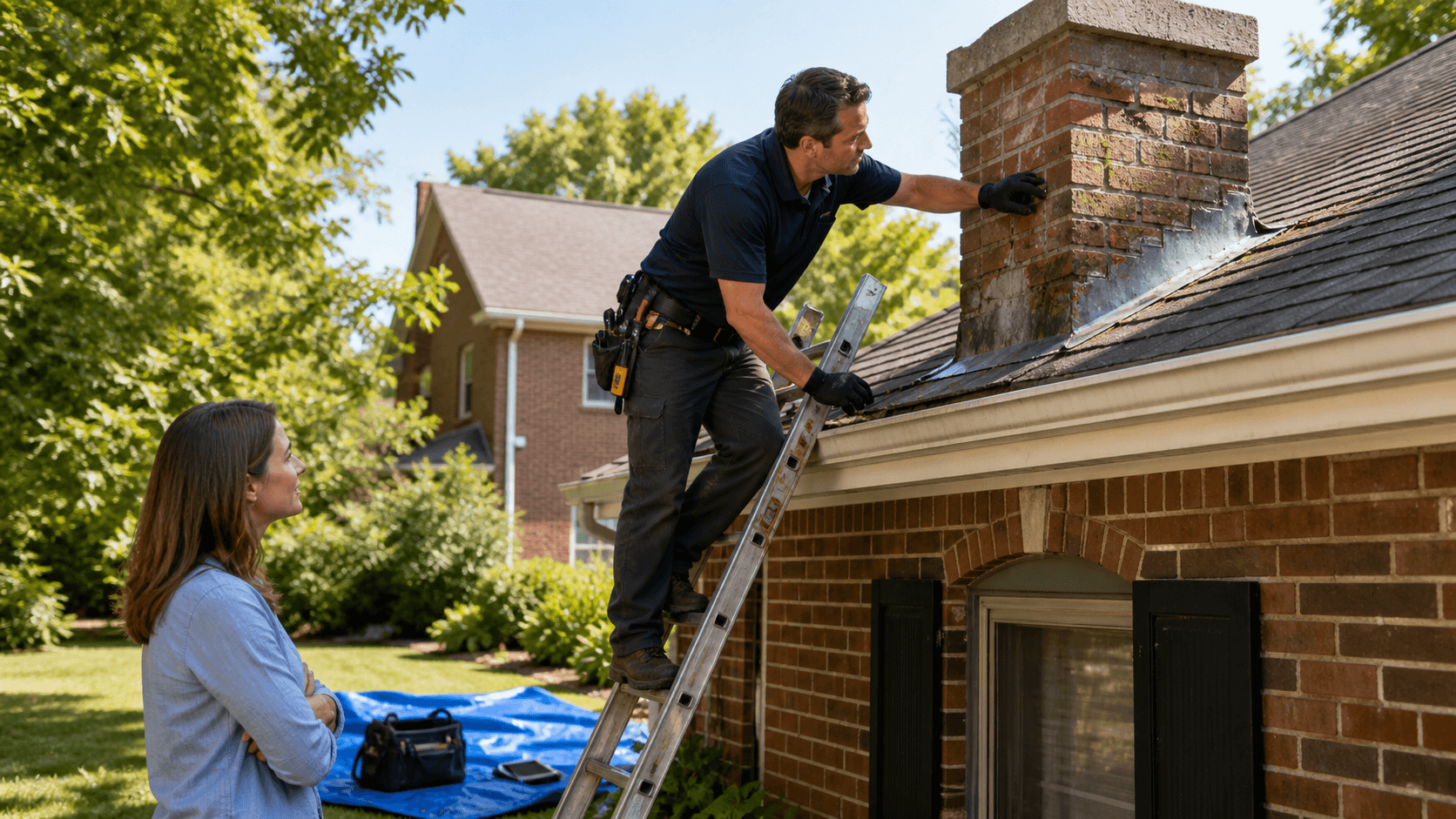
The top of the chimney takes the full hit from rain and wind, so this is often where leaks begin. Many of these areas should only be checked closely by a trained professional with proper safety gear, but it helps to know what needs attention.
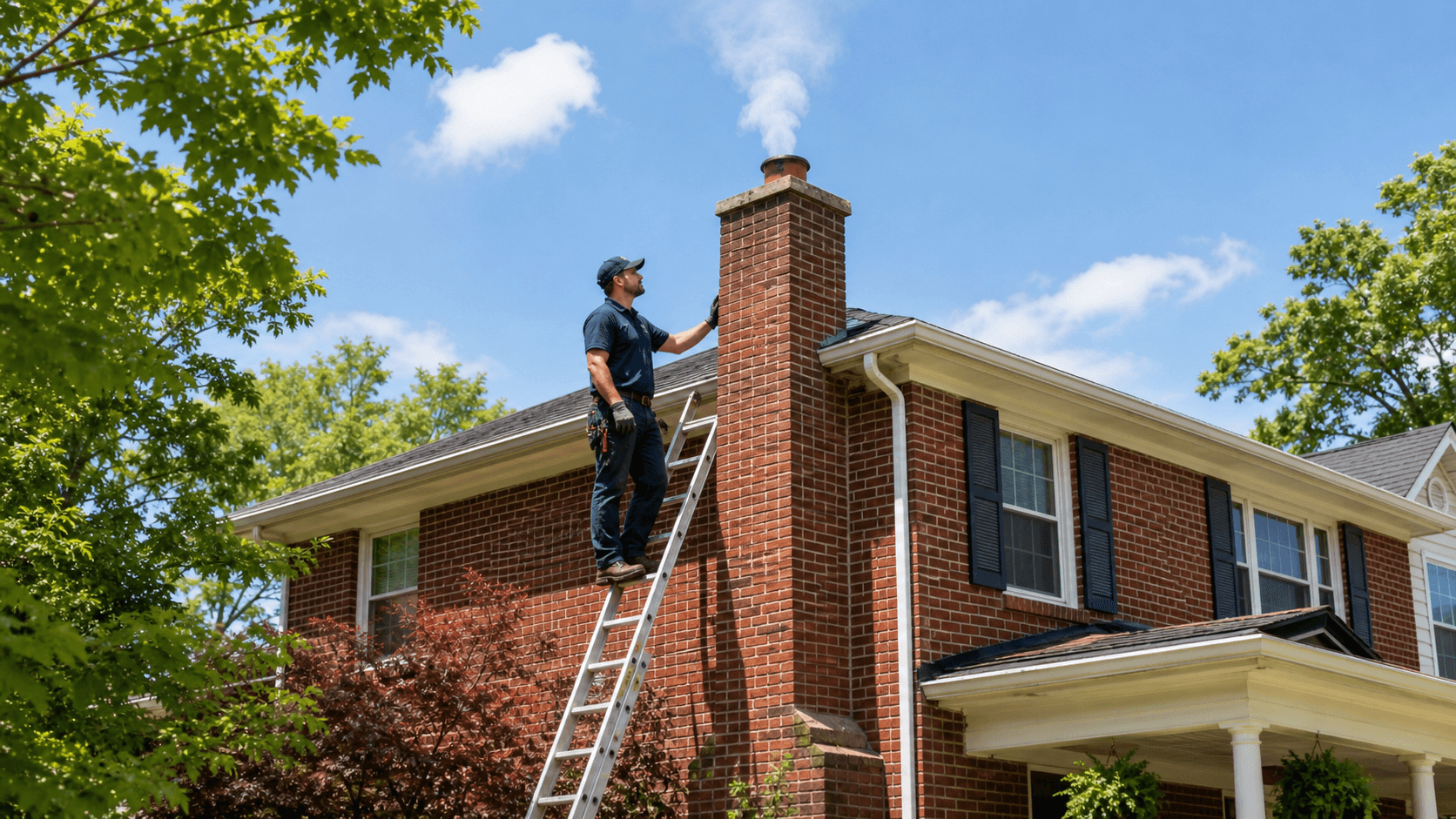
First, think about your chimney cap. A good cap does a lot of work:
- Keeps most rain from falling straight down the flue
- Helps block animals, birds, and debris
- Reduces sparks from leaving the chimney
- Helps protect the flue liner and fireplace parts from water
If you can see your cap from the ground, look for signs of trouble like a crooked cap, heavy rust, bent metal, or missing screens. If you do not see a cap at all, that is a clear sign to get one installed.
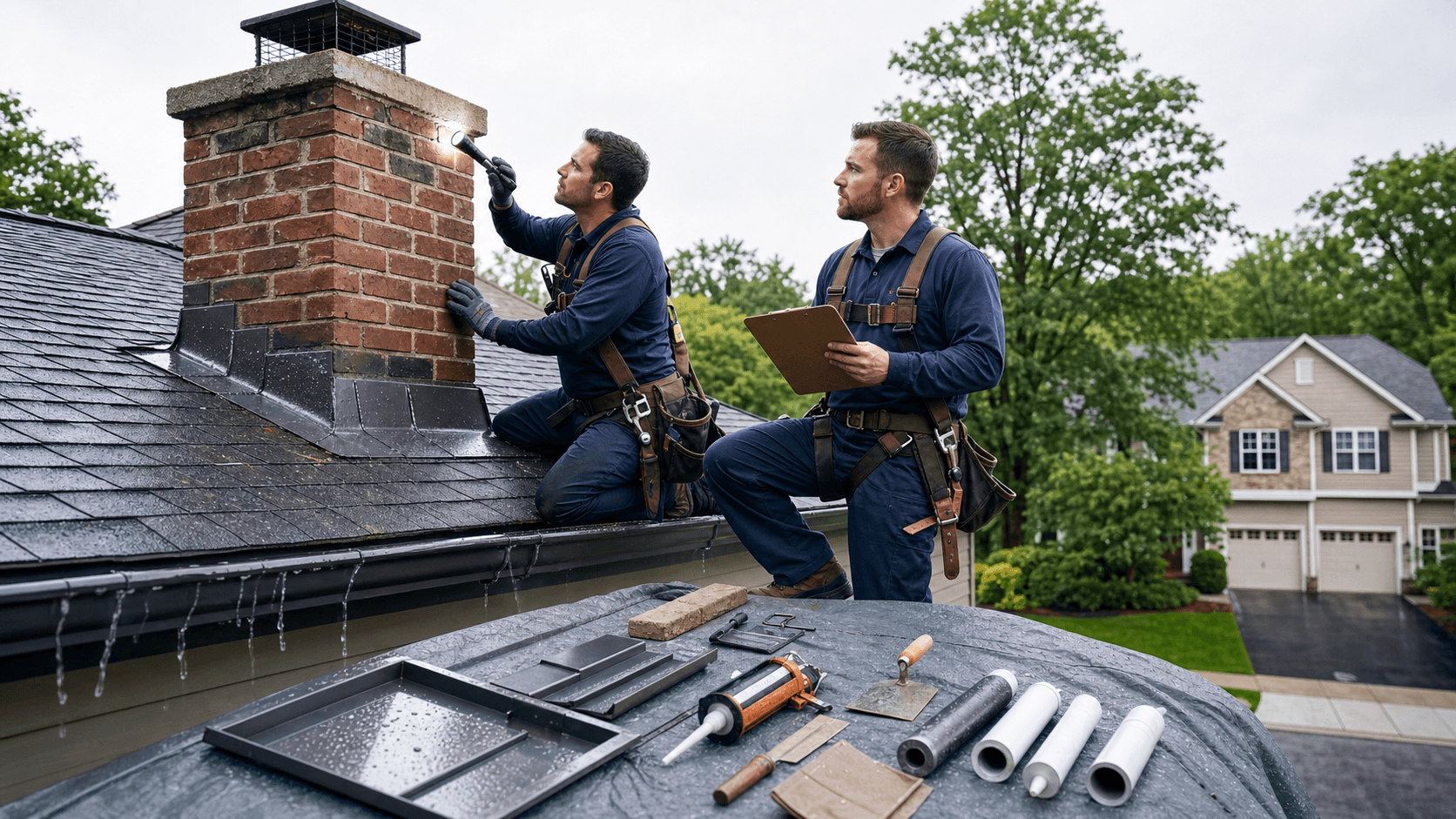
Next is the chimney crown and flashing, which seal the top of the structure and the area where it meets the roof. A chimney professional will check for:
- Cracks or holes in the concrete or mortar crown at the very top
- Gaps where the chimney meets shingles or roofing materials
- Loose, lifted, or badly dented metal flashing
- Sealant that is dried, peeling, or pulling away
The nearby roof area matters too. Problems there can send water straight toward the chimney. Warning signs include missing or curled shingles, clogged gutters that cause water to back up by the chimney, and areas where you see water pooling near the base of the structure.
Masonry, Liners, and Firebox Checks Before Heavy Rains
The bricks and mortar that make up your chimney are tough but still absorb water. Over time, that moisture can lead to both cosmetic and structural issues. Before heavy rains settle in, it is smart to have the masonry checked.
Watch for:
- Spalling bricks, where the surface flakes or chips off
- Efflorescence, the white, powdery staining on brick that often signals water movement
- Deep or missing mortar joints that leave gaps between bricks
- Masonry that always looks damp, even after dry weather
These problems can often be helped with professional waterproofing or tuckpointing, where damaged mortar is carefully removed and replaced.
Inside the chimney, the liner and flue can also suffer from leaks. Cracked clay tiles, gaps in metal liners, or heavy creosote deposits can trap moisture and speed up damage. Even if the leak starts on the outside, water can run down into the liner, mix with soot, and create a corrosive mess.
Down at the fireplace itself, look inside the firebox and around the hearth. Signs that water might be getting in include:
- Cracked or loose firebrick
- Rusted firebox panels or damaged smoke chamber surfaces
- Damp ashes or water spotting inside the firebox after a storm
These are not just cosmetic issues. They are often red flags that water is entering from somewhere higher up, which calls for a professional chimney leak repair in Fairfield to track and fix the source.
When to Call a Pro for Chimney Leak Repair in Fairfield
Some chimney problems are obvious, while others hide behind walls, in attic spaces, or inside the flue. Any time you see repeated signs of moisture, it is time to bring in a trained chimney technician.
Situations that should be checked by a professional include:
- Ceiling stains that keep coming back after you repaint
- Visible cracks or leaning in the chimney structure
- Birds, squirrels, or other animals getting in through the chimney
- Temporary "band-aid" fixes like caulk or tar that never seem to solve the leak
A thorough professional inspection often includes a roof-level look at the cap, crown, and flashing, along with a visual check of the masonry. Many inspections also use cameras inside the flue and tools to trace how and where water is getting in. From there, you receive a clear repair plan that takes local weather and common Fairfield building styles into account.
Long-term protection usually focuses on stopping water at the top and along weak points. That can include installing or upgrading caps and crowns, replacing or improving flashing, applying masonry waterproofing that still lets brick breathe, and setting up regular maintenance before rainy seasons. The goal is a dry, safe chimney that stands up to storm after storm without surprise leaks.
Schedule Your Chimney Leak Check Before the Next Storm
A simple walkthrough of your home, inside and out, can help you catch early signs of chimney trouble. Take a quiet moment before the next stretch of heavy rain to look for stains, peeling paint, rust, cracks, or anything that just does not seem right around your fireplace and chimney. Write down what you see so you can share those details with a chimney professional.
At Chimney Works, we serve Fairfield, northern Kentucky, Southeast Indiana, and the Dayton metro area, and we know how local storms can affect chimneys and roofs. We always encourage homeowners to stay safe on the ground and leave roof and ladder work to trained techs who know where and how to look for hidden leak sources. Professional eyes and tools, paired with the rainy season checklist above, can help keep your chimney dry and your home protected when the next storm rolls through.
Protect Your Home With Fast, Reliable Chimney Leak Repair
If you have signs of water around your fireplace or chimney, now is the time to schedule professional chimney leak repair in Fairfield. At Chimney Works, we carefully inspect, diagnose, and fix the source of the leak so your home stays dry and safe. Reach out today to discuss your concerns, request an estimate, or book an appointment through our contact page.