Stop Silent Dangers From Rising Up Through Your Chimney
Carbon monoxide is called the silent killer because you cannot see it, smell it, or taste it. It just builds in the air and starts affecting your body before you realize something is wrong. For homeowners in the greater Cincinnati area, this is a serious concern, since many houses are now tightly sealed for energy efficiency. That tight seal is great for your heating and cooling bill, but it also means any carbon monoxide has a harder time escaping.
Fireplaces, wood stoves, gas log sets, and furnace flues that tie into a chimney can all create carbon monoxide if something is not working right. When these heating systems are running, they depend on your chimney to carry harmful gases safely outside. If the chimney is blocked, damaged, or drafting poorly, chimney carbon monoxide in Cincinnati homes can become a real threat.
Late spring and early summer are smart times to deal with these risks. Most heating systems are off or used less, which makes it easier to inspect, clean, and repair chimneys without rushing. Taking care of problems now means your home is ready for the next heating season long before you light the first fire.
How Chimney Issues Lead to Carbon Monoxide in Cincinnati Homes
Any fuel that burns can create carbon monoxide. Wood, gas, and oil appliances all produce it, especially when the fire is not getting enough air, the burner is dirty, or the equipment is aging. A properly drafting chimney pulls these gases up and out of your home. When draft is weak or blocked, carbon monoxide can leak back into the house instead of moving outside.
In our region, we commonly see chimney problems like:
- Creosote buildup from wood-burning fireplaces and stoves
- Flue blockages from leaves, twigs, or animal nests
- Damaged, cracked, or misaligned flue liners
- Negative air pressure in tightly sealed or newly remodeled homes
Local weather plays a big part too. Heavy spring rains can soak masonry and wash into tiny cracks. When temperatures drop again, freeze-thaw cycles cause that trapped water to expand and break bricks, mortar, and crowns. Over time, this damage can open gaps in the chimney structure or liner where carbon monoxide can slip into walls, attics, or living spaces.
Seasonal use patterns matter as well. Many Cincinnati, Northern Kentucky, Southeastern Indiana, and Dayton homeowners go months without using their fireplaces or certain gas appliances. During that quiet time, critters may move in, mortar may crumble, and metal parts may rust. When the first cool nights return and you use the system again, you might be sending combustion gases into a chimney that is no longer working the way it should.
Warning Signs Your Chimney May Be Causing CO Buildup
Carbon monoxide itself is invisible, but your chimney and appliances often leave clues. Around your fireplace, stove, or gas logs, watch for:
- Soot stains or streaks around the firebox or glass doors
- Smoke rolling or spilling into the room when you start a fire
- Strong, sharp, or unusual odors during operation
- White staining, crumbling mortar, or flaking brick on the chimney exterior
Your body can be a warning system too. People often mistake low-level carbon monoxide exposure for a minor illness. Pay attention to:
- Recurring headaches, dizziness, or lightheadedness
- Nausea, upset stomach, or feeling weak
- Unusual fatigue or flu-like symptoms that improve when you leave the house
There are also subtle signs that are easy to ignore but worth taking seriously:
- Pilot lights that go out often on gas logs, furnaces, or water heaters
- Excess condensation on windows during the heating season
- CO detectors that chirp, alarm, or show elevated levels near chimney-connected appliances
If you notice any of these, it is important to stop using the appliance and have the chimney and venting checked by a professional before using it again.
Seasonal CO Risks Cincinnati Homeowners Should Watch
Shoulder seasons like late spring and fall can be higher risk times for chimney carbon monoxide in Cincinnati homes. During these periods, many people use fireplaces or stoves on and off to take the chill out of the air. Windows are often closed, but the heating system may not be running full-time, so airflow in the house can be unpredictable. Temperature inversions, which are common in the Ohio River Valley, can also affect chimney draft and keep gases closer to ground level.
In summer, many homeowners do not think much about their chimneys at all. That is exactly when problems can build up:
- Birds and small animals may nest in open flues
- Storms can knock leaves, branches, and debris into the chimney
- Heat and humidity can speed up masonry deterioration and metal corrosion
A few practical, time-specific steps for our area include:
- Plan chimney inspections for late spring or early summer, after heavy heating use is over
- Test and, if needed, replace CO detector batteries before fall weather arrives
- Address chimney water leaks, staining, or damp odors as soon as you notice them
These habits help keep your chimney ready for the first cool night, instead of discovering a problem the moment you need heat.
Professional Chimney Inspections That Protect Your Family
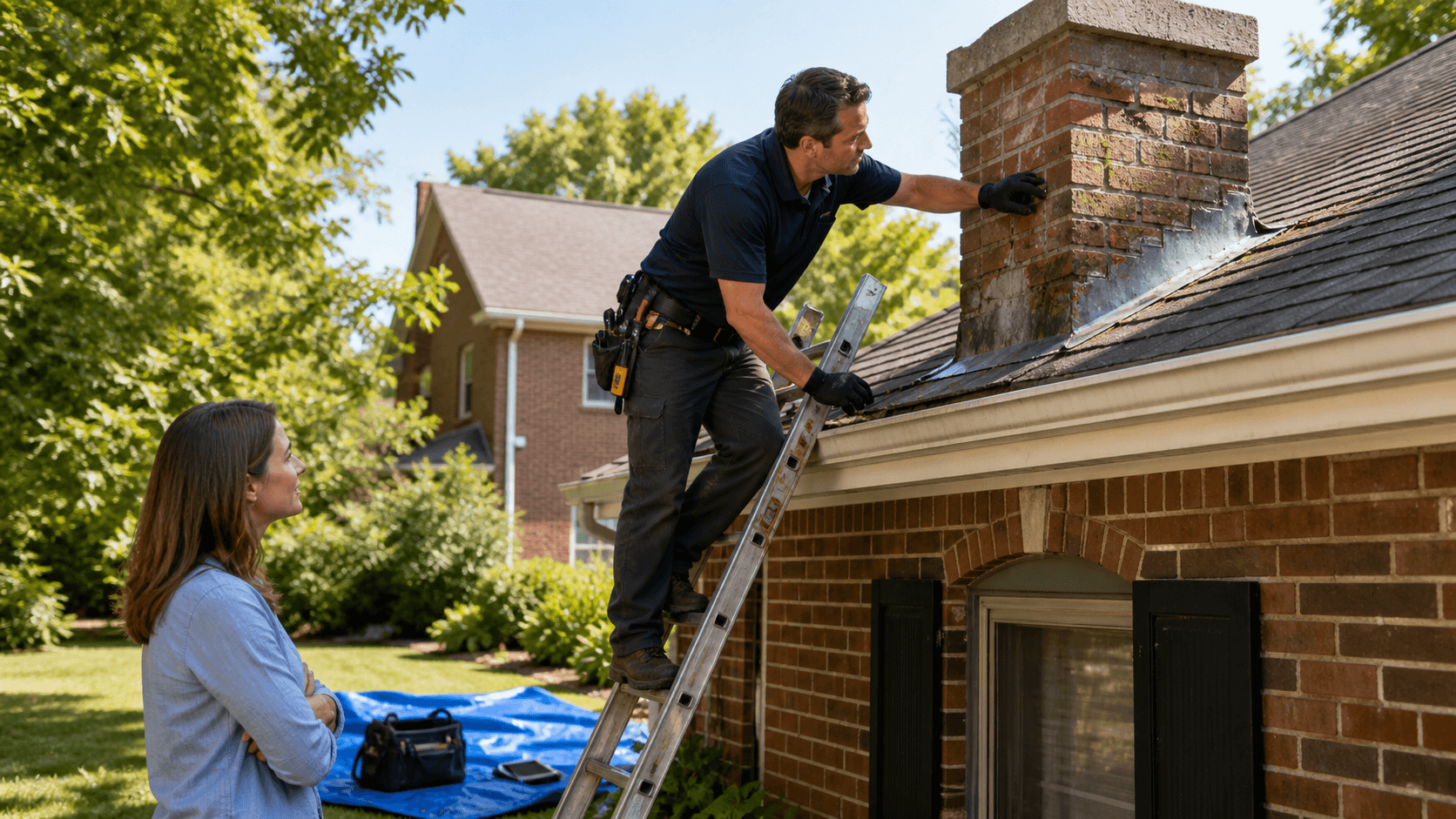
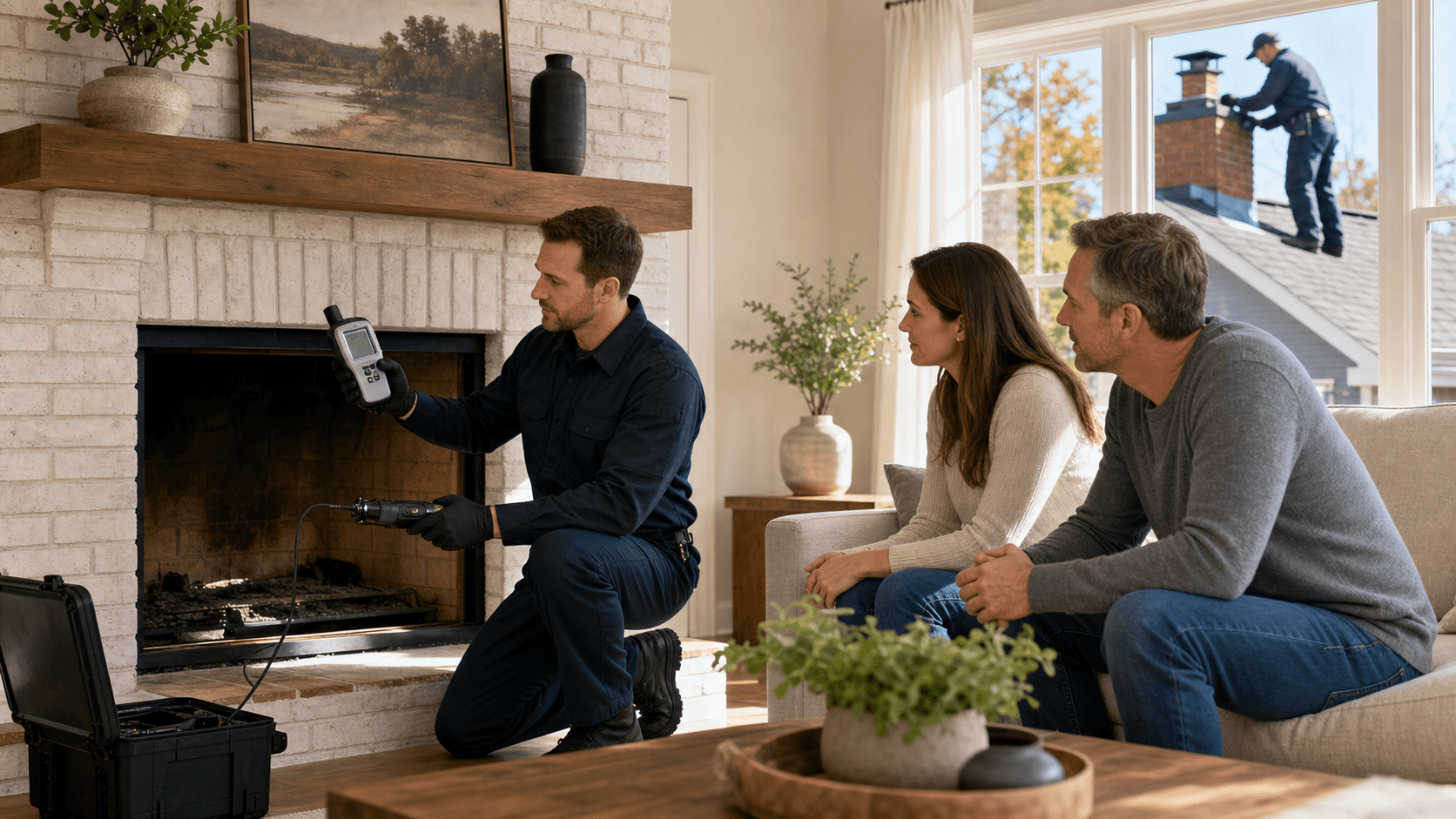
A professional chimney and venting inspection is about much more than just looking up the flue with a flashlight. When we inspect a system, we focus on both safety and performance so combustion gases can move out of your home the way they should.
A thorough inspection from a professional chimney company typically includes:
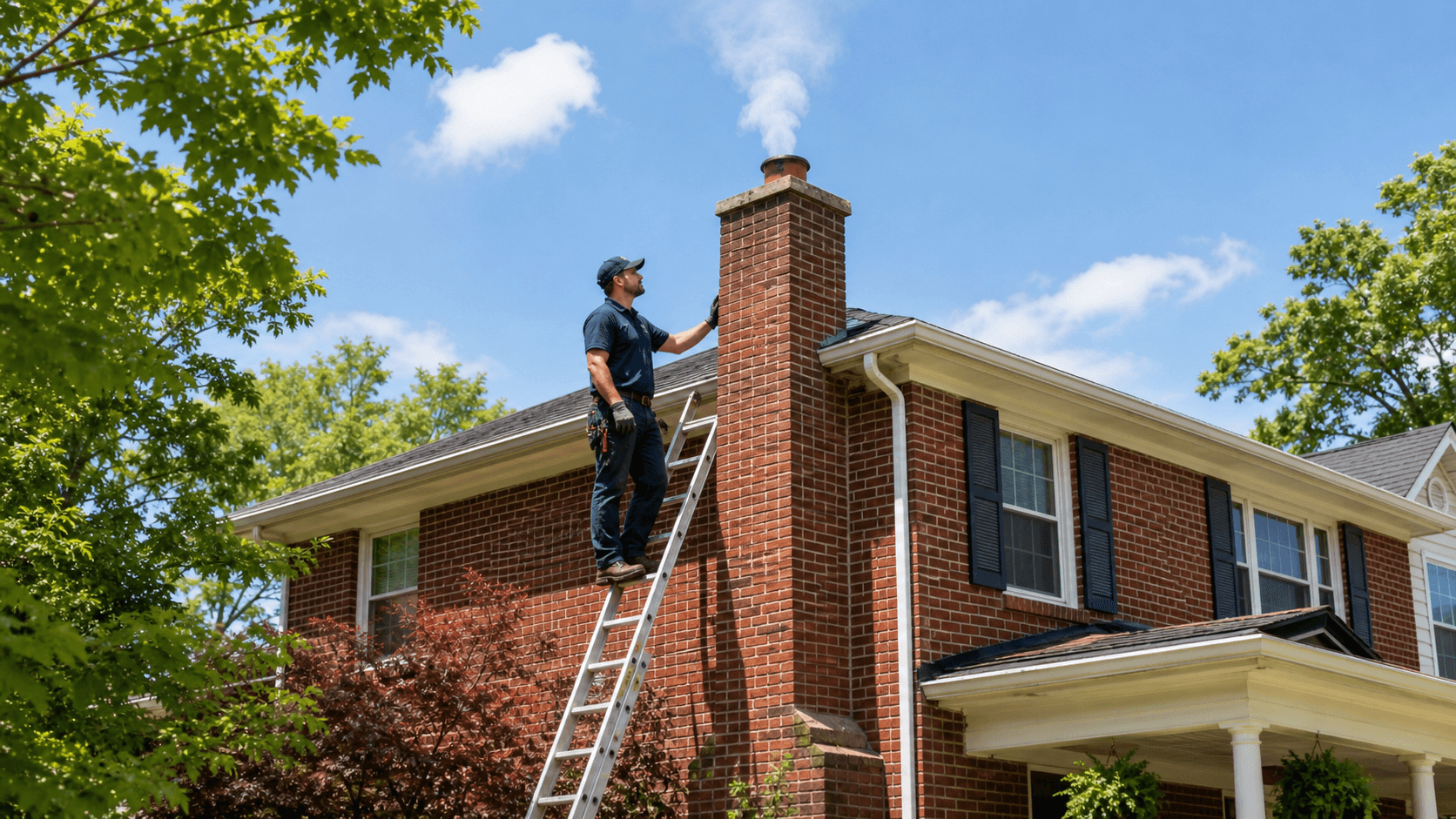
- Visual checks of the firebox, damper, smoke chamber, and exterior structure
- Camera inspections inside the flue to spot hidden cracks or gaps
- Draft testing and airflow checks to see how well the system vents
- Reviewing appliance connections, clearances, and venting paths
Professional cleanings remove creosote, soot, animal nests, and other blockages that can choke off draft and lead to carbon monoxide issues. Repairs like installing or repairing liners, chimney caps, and crowns help restore a continuous, protected path for hot gases to exit safely.
For local homeowners with any fuel-burning appliance that vents into a chimney, we recommend:
- Annual chimney inspections, even if you do not use the fireplace often
- Extra inspections after a known chimney fire, storm damage, or major remodeling
- A check of chimney and venting whenever you install new heating or hot water equipment
Regular professional attention makes it much easier to catch small problems before they turn into carbon monoxide hazards.
Take Smart Steps Now to Prevent Chimney CO Emergencies
Preventing chimney carbon monoxide in Cincinnati homes comes down to a few smart, consistent habits. Think of it as a simple safety plan for your house and your family.
Here is a clear, prioritized checklist:
- Install CO detectors on every level of your home and near sleeping areas
- Test detectors monthly and replace batteries on a regular schedule
- Arrange for yearly chimney inspections and cleanings for all connected appliances
- Make sure flues and chimney caps stay clear of nests, leaves, and other debris
- Never ignore smoke, unusual odors, or any CO alarm, even if it stops on its own
When you treat your chimney like the safety system it is, your fireplace and heating equipment can stay the cozy, comfortable features you want them to be instead of hidden hazards. A little attention during the warmer months can pay off with peace of mind when the temperatures drop again.
Protect Your Home and Family With a Professional Chimney Safety Check
If you are concerned about chimney carbon monoxide in Cincinnati, we are here to inspect, clean, and help make your system safer before it becomes an emergency. At Chimney Works, we use trained technicians and detailed evaluations to identify hidden issues and give you clear recommendations. Schedule an appointment today so we can address potential hazards and keep your heating system running safely. If you have questions or need to request service, just contact us.