Stop Chimney Leaks Before They Start
A healthy chimney crown keeps water out of your home. It acts like a small roof on top of your chimney, guarding the brick, the flue, and the wood framing around it from rain, snow, and melting ice. When that crown starts to fail, water finds a way in, and the damage often shows up far from the actual problem.
Catching chimney crown repair needs early on is almost always easier and less messy than dealing with stains on ceilings, moldy smells, or crumbling brick later. Once water gets into your chimney system, it can travel, soak into wood and drywall, and lead to problems that take more time and work to fix. Spotting trouble at the crown and fixing it before leaks start is one of the smartest home protection steps you can take.
Here in the Greater Cincinnati, northern Kentucky, southeast Indiana, and Dayton areas, late spring is a great time to check on your chimney crown. The weather is warming up, heavy winter freezes are behind us, and summer storms are on the way. Getting ahead of those storms helps prevent long-term water intrusion and surprises during the next big downpour.
What Your Chimney Crown Does and Why It Matters
Think of the chimney crown as the top slab that covers the brick chimney. It is usually made of concrete or masonry and is shaped to shed water away from the flue tile in the middle and the brick below. Many people confuse the crown with other parts, so it helps to know the difference.
Here is a quick breakdown:
- Chimney crown: The solid concrete or masonry layer on top of a brick chimney
- Chimney cap: The metal cover, often with a screen, that sits over the flue opening
- Chase cover: The metal top that covers a framed or factory-built chimney structure
A properly built crown is slightly sloped so water runs off and drips away from the chimney. It should be thick enough to handle years of weather and extend past the brick so water does not wash straight down the sides. This design helps prevent the freeze-thaw damage we see so often after Midwest winters, where trapped water freezes, expands, and cracks masonry.
When a crown is poured too thin, left flat instead of sloped, or built without enough overhang, water tends to sit and soak in. Age, sun, and temperature swings then turn small flaws into open gaps. At that point, the top of your chimney can go from protective shield to direct water entry point.
Early Warning Signs Your Chimney Crown Needs Help
Most chimney crown issues start small and quiet. If you know what to look for, you can catch them long before you see water inside your home.
On the top of the chimney, warning signs include:
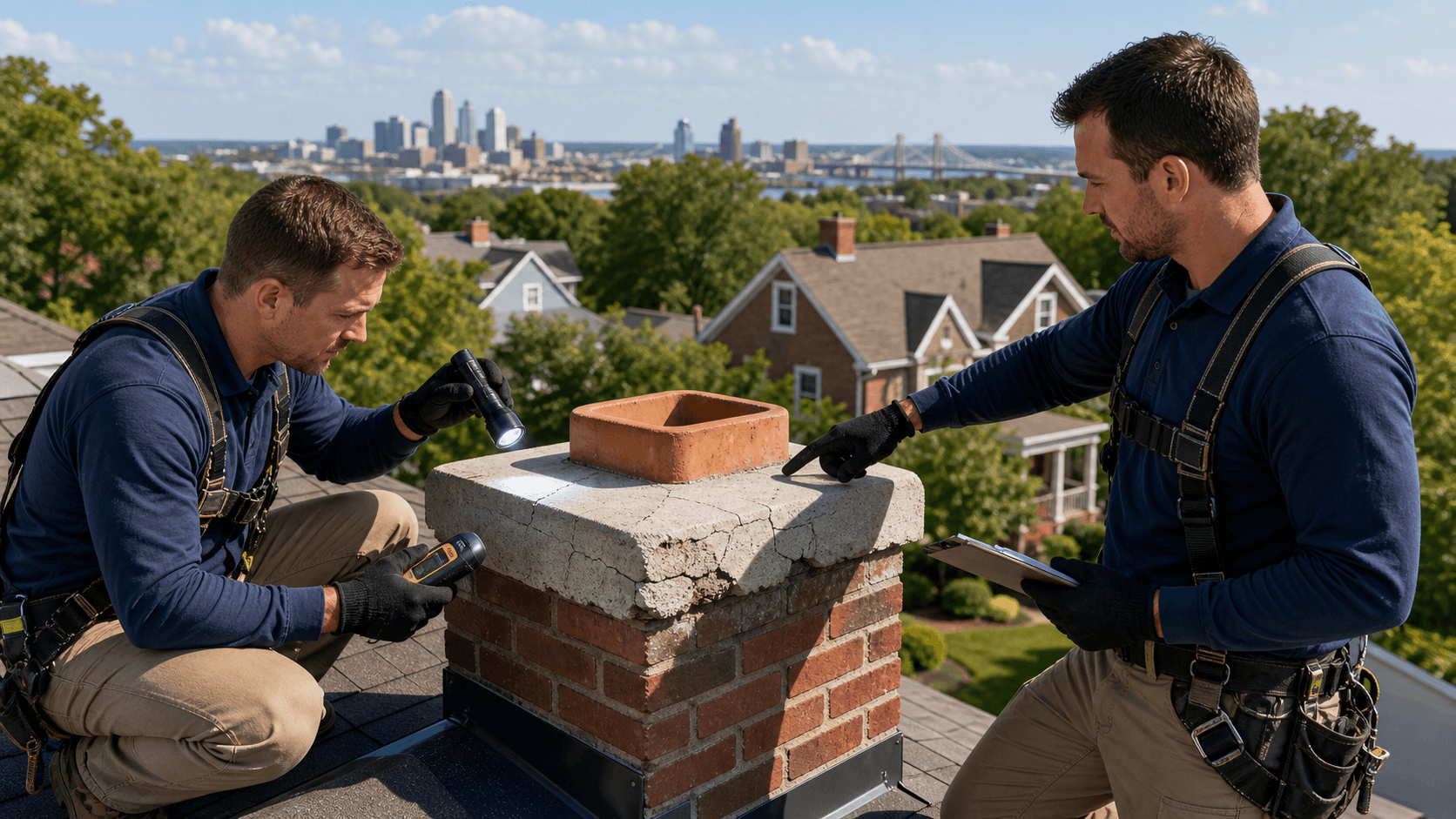
- Hairline cracks in the concrete or masonry
- Crumbling or flaking edges around the outside of the crown
- Ponding water that lingers after rain instead of running off
- Moss, algae, or small plants growing in tiny cracks
- Gaps or missing mortar where the crown meets the top row of brick
You may also see hints of trouble lower down, indoors and outdoors. Watch for:
- Brown or yellow water stains on ceilings or walls near the chimney
- Peeling paint or bubbling drywall around the fireplace
- Musty or damp odors that get worse after rain
- Efflorescence, the white, chalky staining on chimney brick or stone
Some changes are easier to hear or smell than to see. A crown that has loosened may sound slightly hollow when a professional gently taps it during an inspection. Homeowners sometimes notice stronger smoke or soot smells inside after a storm, which can signal new moisture in the chimney. Many issues seem to worsen right after winter, since freeze-thaw cycles can quickly grow tiny cracks into larger breaks.
How Chimney Crown Damage Turns Into Costly Leaks
Water is patient. It does not need a big hole to get into your chimney system. Small cracks in a crown let water seep in, where it soaks into concrete, brick, and mortar. When temperatures drop, that trapped water freezes and expands. Over a few seasons, those hairline cracks can widen into obvious splits, chips, and missing chunks.
Once the crown stops working as a shield, you can see a chain reaction:
- The bricks under the crown stay damp longer and begin to weaken
- Metal parts in and around the chimney can start to rust
- Clay or metal flue liners may crack or corrode
- Roof decking and framing near the chimney can rot
- Ceiling and wall materials indoors may need repair or replacement
Mold and mildew love damp, hidden spaces, and a leaking chimney can create perfect little pockets of moisture. Fixing those kinds of problems often means opening walls or ceilings, cleaning or replacing materials, and repairing exterior masonry or roofing. Compared with that kind of work, proactive chimney crown repair is usually a much simpler and less disruptive project.
Repair Options From Small Fixes to Full Rebuilds
Not every damaged crown needs to be torn off and rebuilt. The right repair depends on how worn it is, how it was built, and what is happening to the chimney below it.
For minor issues, a chimney professional may suggest:
- Cleaning the crown and filling hairline cracks
- Applying a high-quality waterproof or elastomeric coating
- Sealing the joint where the crown meets the flue or top course of brick
These products create a flexible, water-shedding layer over the existing material. They can bridge tiny cracks and help protect the crown from more water damage, as long as the base is still solid.
When the crown is badly cracked, thin, or falling apart, more involved repairs are often needed. That can mean recasting or rebuilding the crown with the right combination of:
- Thickness, so it stays strong over time
- Slope, so water runs off instead of pooling
- Overhang, so water drips clear of the brick below
- Expansion joint around the flue, so the crown and flue can move slightly without cracking
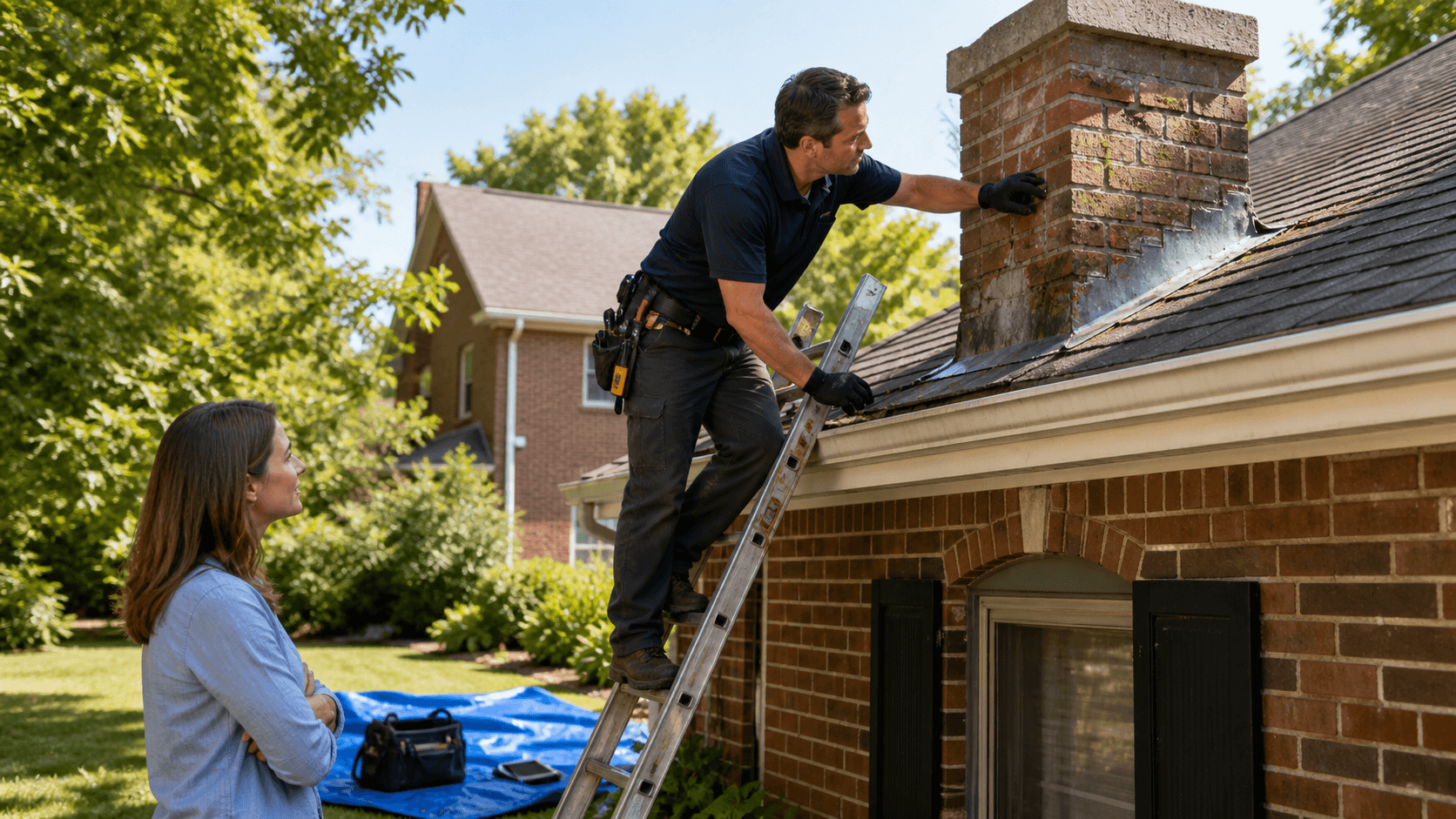
A professional chimney sweep will look at the overall structure of the chimney, not just the top surface. If the bricks under the crown are loose or damaged, or if the chimney is very old, repair may not be enough in some cases. At that point, a more complete rebuild of the crown, and sometimes some of the upper courses of brick, can give better long-term results.
Why Professional Chimney Crown Repair Beats DIY
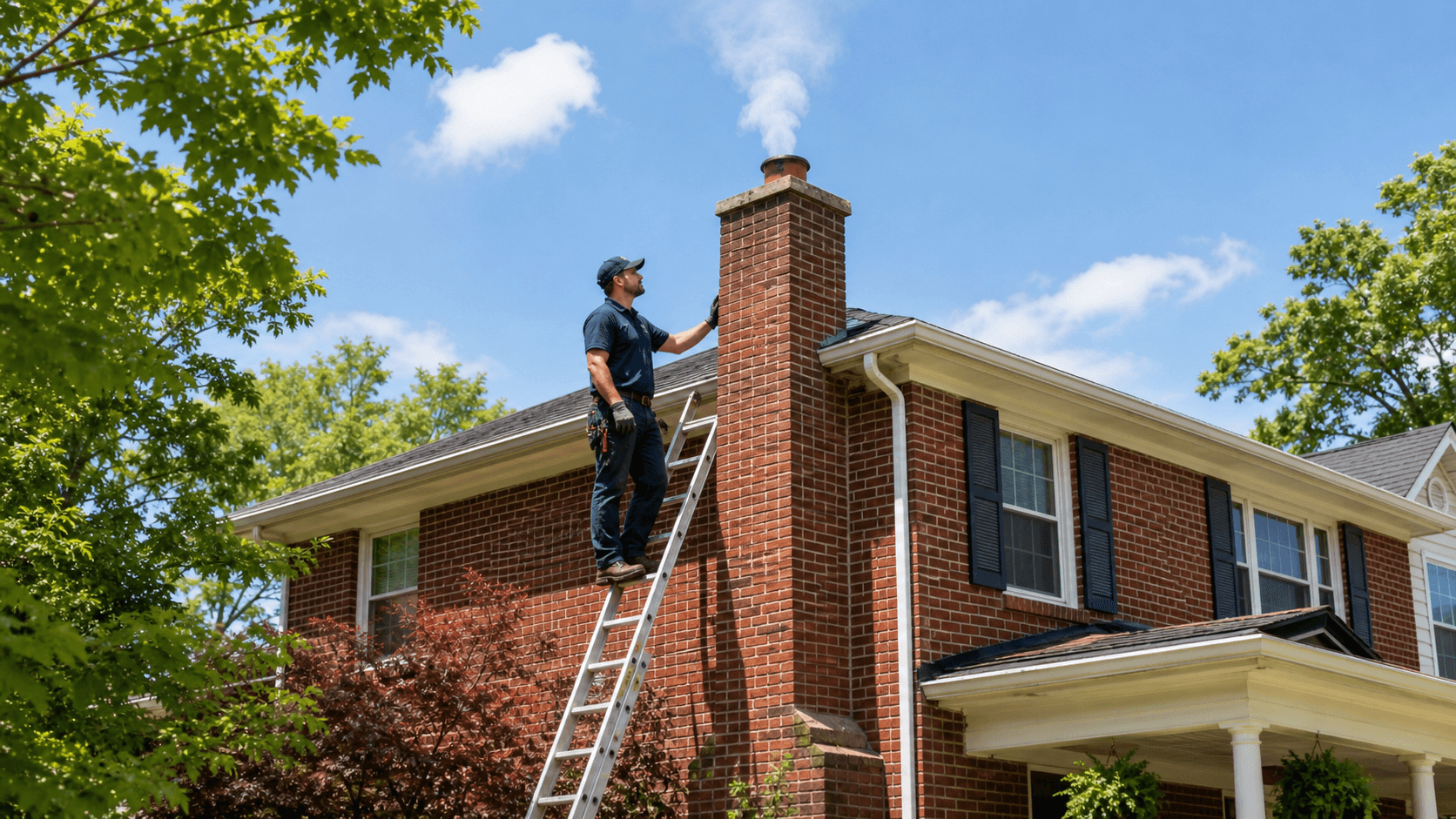
Climbing a roof to work around a chimney is not a simple weekend task. Steep pitches, slick shingles, and limited footing make it risky for anyone who is not trained and equipped for that kind of work. On top of that, the flue may still be holding heat or gases if the fireplace or appliance has been used recently.
Trying to patch a crown without proper tools or knowledge can also cause new problems, such as:
- Damaging shingles or flashing while getting to the chimney
- Trapping moisture under the wrong type of sealant
- Blocking flue openings or vents with thick coatings or mortar
Local chimney pros understand how our regional weather, with its mix of snow, freeze-thaw cycles, heavy rain, and summer humidity, affects masonry and concrete. They are also familiar with local building codes and best practices that help crowns last longer in the Greater Cincinnati, northern Kentucky, southeast Indiana, and Dayton climates. Professional-grade materials, applied the right way, tend to hold up better and often come with warranties.
Another big advantage is the full inspection that happens at the same time. A trained eye can spot early signs of trouble with the flue liner, flashing, or brickwork that a homeowner on a ladder might miss.
Best Time of Year to Schedule Chimney Crown Work
Chimney crown materials need the right conditions to cure and bond. Late spring through early fall usually offers the best mix of warmer temperatures and more stable weather. When it is not too cold or too wet, concrete, mortar, and coatings set up properly and create a stronger, longer-lasting barrier.
Taking care of chimney crown repair before summer storms roll through can help protect against heavy rain, strong wind, and wind-driven water finding its way into tiny cracks. Many homeowners also like to have this work done before the busy fall season, when it can be harder to get on the schedule for overall chimney and fireplace service.
Protecting the top of your chimney before leaks start is one of the simplest ways to guard your home from water damage and keep your fireplace system in good shape for years to come.
Protect Your Home With Expert Chimney Crown Repair
If you have noticed cracks or damage on top of your chimney, now is the time to schedule professional chimney crown repair before leaks and structural issues get worse. At Chimney Works, we carefully assess your chimney, explain your options, and complete repairs that help your system last longer and perform safely. Reach out today through our contact page to set up an appointment that fits your schedule.