Stop Chimney Leaks Before They Soak Your Home
Water leaking around the chimney is one of those problems that shows up fast and feels scary. You might notice a brown stain on the ceiling after a heavy storm, a drip in the fireplace, or damp drywall near the chimney. By the time you see it inside, water has already found a path through your roof or chimney system.
Many of these leaks start where the roof and chimney meet. That is the job of flashing. Roof flashing and chimney flashing sound almost the same, but they are not. Knowing the difference helps you understand what you can safely look at yourself and when it is time to let a chimney professional step in. Catching things early, especially before stormy seasons, can protect your home from bigger damage.
Roof Flashing Vs. Chimney Flashing Explained
Roof flashing is thin metal that roofers place anywhere the roof changes or meets something else. It is there to guide water away from seams that could leak. You will find roof flashing around:
- Walls that meet the roof
- Roof valleys where two slopes meet
- Vent pipes and skylights
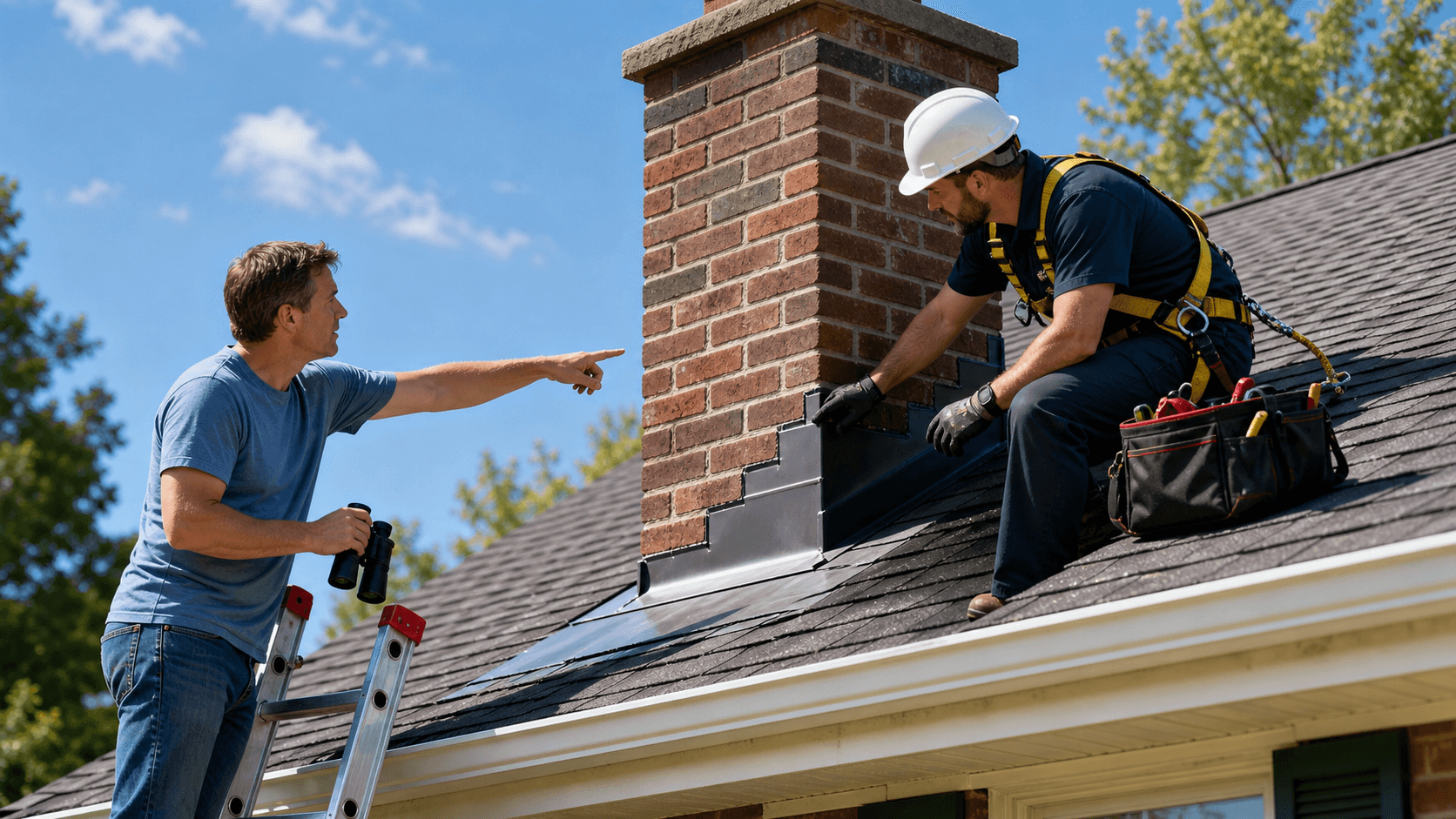
Chimney flashing is a special type of roof flashing made just for the chimney area. It is not just one piece. It is a system that usually includes:
- Step flashing, small metal pieces that tuck under each shingle and up the side of the chimney
- Counter flashing, metal that is cut into the chimney masonry and overlaps the step flashing
- Sealants, used where metal meets brick, stone, or siding
Chimneys are high-risk for leaks because they stick up through the roof and have more surface area for water to hit. Masonry expands and contracts with temperature changes, which slowly opens tiny gaps. The flashing details are more complex than what you see around a small pipe or vent. All of that makes the chimney area one of the first spots where water will try to sneak in.
Safe DIY Checks When You See Water Leaking Around the Chimney
You can do some basic checks without climbing on the roof or touching anything. The goal is to gather clues, stay safe, and avoid making the problem worse.
From the ground, you can:
- Use binoculars to look at the area where the roof meets the chimney
- Watch for missing or curled shingles near the chimney
- Look for flashing that looks lifted, rusted, or bent
- Check the chimney face for stains, streaks, or moss growth
Inside the home, pay attention to:
- Water stains on ceilings or walls near the chimney
- Peeling paint or bubbling drywall around the chimney chase
- Musty or damp smells in rooms with a fireplace
- Dark or damp spots in the attic around the chimney
What you should not do is just as important:
- Do not walk on a steep, high, or wet roof
- Do not climb onto the roof without proper safety gear
- Do not pull on loose metal or shingles; that can open the leak more or break roofing materials
These simple checks help you see that there is an issue, but they do not replace a full inspection. Think of them as an early warning system.
Common Flashing Problems Homeowners Can Spot Early
You do not need to touch the chimney to spot the early signs of trouble. Many problems show up as small visual changes that get worse over time.
From the ground or attic, you may notice:
- Gaps between the flashing and the brick or siding
- Cracked, dried, or missing caulk or sealant
- Rusted or discolored metal around the chimney base
- Flashing that looks like it is pulled away or not tight to the surface
In the Ohio River Valley region, we see a lot of freezing and thawing cycles. That constant change can:
- Loosen mortar joints in the chimney
- Crack old sealant where metal meets masonry
- Open tiny spaces where water starts to sneak in
Those tiny spaces can let in just enough water to stain a ceiling or cause musty smells long before you see a steady drip. While spotting these signs from the ground or attic is usually safe, fixing them is a different story. Proper repairs need the right flashing materials, masonry know-how, and understanding of how water should move across the roof.
When DIY Roof Flashing Fixes Become Risky
It is tempting to grab a tube of caulk or a can of roof cement and try to seal what you can see. Quick fixes might slow the leak for a short time, but they often cause bigger problems later.
Common DIY risks include:
- Smearing roof cement over damaged flashing, which can trap moisture and hide the real issue
- Using the wrong sealant that cracks or peels in the sun
- Covering up loose or missing step flashing instead of replacing it
Working near the chimney on the roof also brings safety and damage risks:
- Falls from ladders or steep roof surfaces
- Breaking shingles by stepping in the wrong place
- Installing flashing in the wrong order, which can push water into the home instead of away
- Nailing or cutting into areas that should not be touched
Certain homes make DIY even more risky, such as:
- Multiple rooflines that meet at the chimney
- Large or tall masonry chimneys
- Older or historic homes with aging bricks and mortar
- Roofs that have seen recent heavy storm activity
In these cases, the leak might come from more than one source, and guessing your way through it from the roof is not a safe plan.
How Chimney Pros Diagnose and Repair Leaks for Good
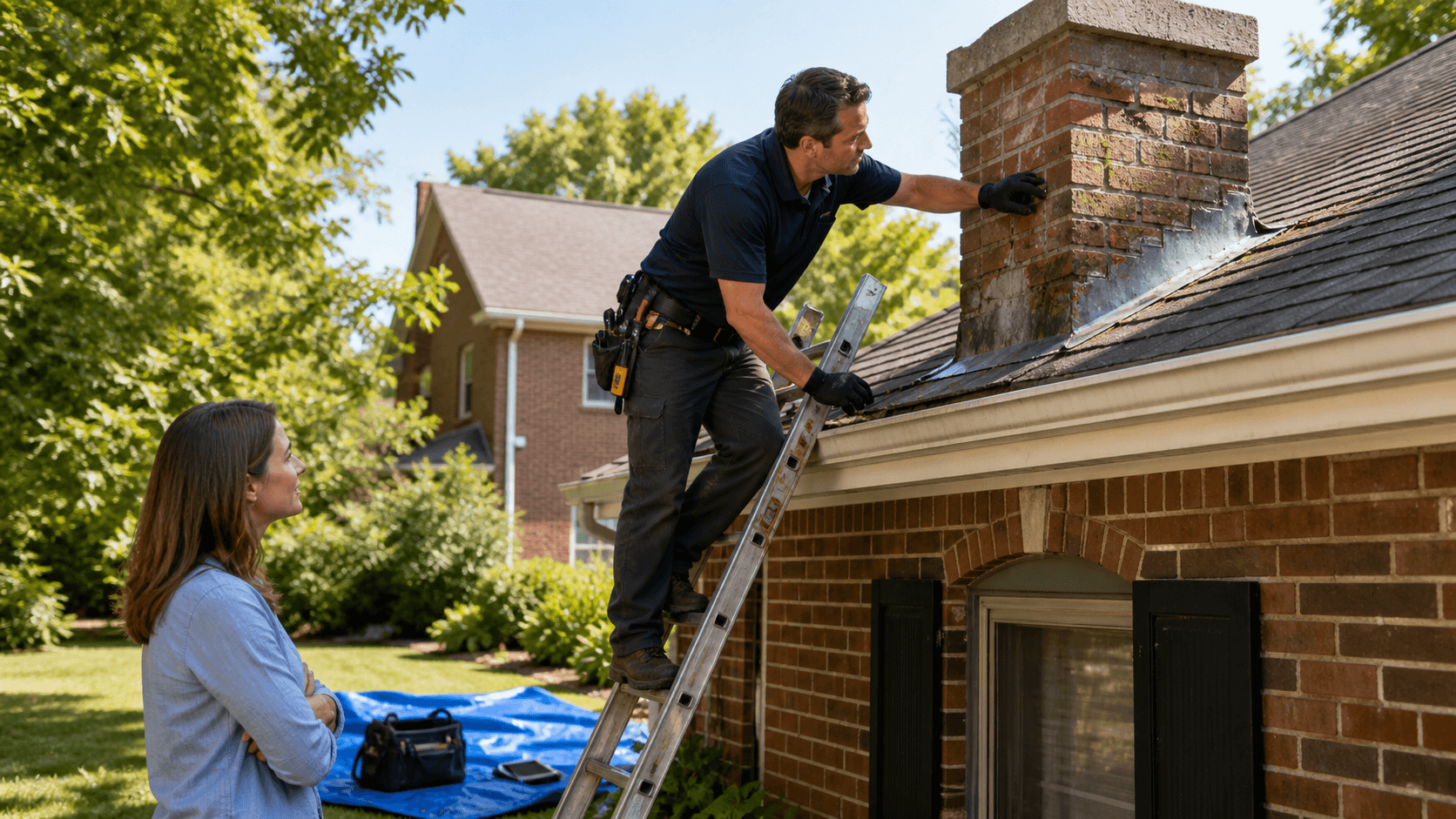
When a chimney professional checks for water leaking around the chimney, they look at the whole system, not just one crack or rust spot. A full inspection often includes:
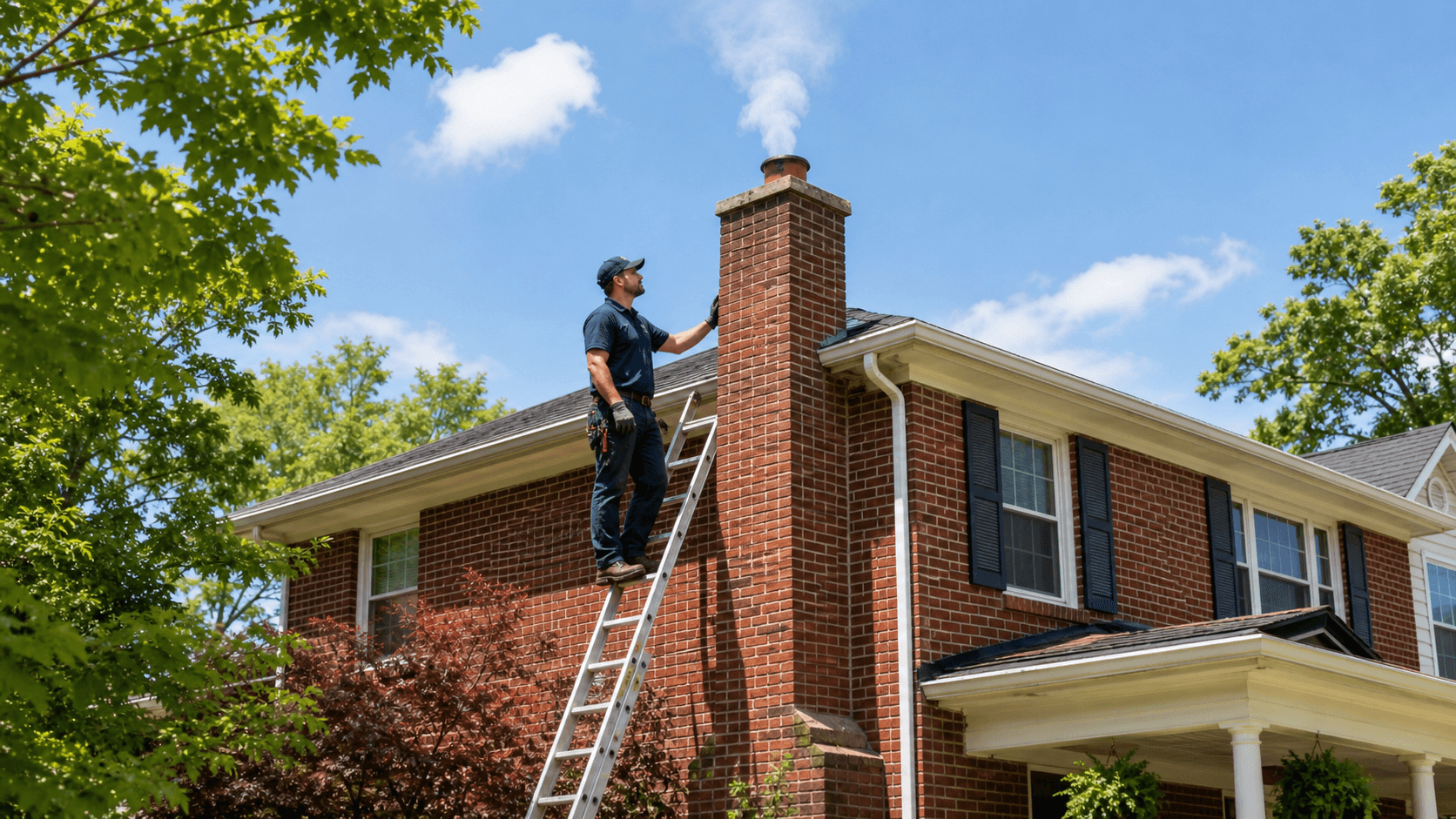
- An exterior look at the chimney, crown, and all flashing
- A roof-level check of shingles, step flashing, and counter flashing
- An attic review around the chimney chase for hidden moisture trails
- An interior check of the firebox and surrounding walls
In some cases, controlled water testing can help trace how water moves and where it actually enters. The leak you see at the ceiling might start several feet away.
Common professional repairs and improvements include:
- Removing and reinstalling proper step and counter flashing
- Using sealants and products made for both metal and masonry
- Repairing or rebuilding the chimney crown if it is cracked or failing
- Addressing masonry cracks or gaps that may look like flashing leaks
Our team at Chimney Works works on chimneys across Cincinnati, Northern Kentucky, Southeast Indiana, and the Dayton metro area. We see how local storms, wind, and temperature swings affect brick, mortar, roofing, and flashing, and we factor that into every leak diagnosis and repair plan so the fix lasts.
Protect Your Home From the Next Storm Starting Today
You do not have to wait for a major leak to act. A quick, safe look from the ground and a peek in the attic a few times a year can help you spot early warning signs. Stains, rust, gaps, musty smells, or any active dripping around the chimney area are all signs that water is getting in where it should not.
If your roof is steep, high, or hard to reach, or if you see anything that makes you uneasy, that is a clear sign to let a professional handle the inspection and repairs. A trained eye can sort out whether the problem is roof flashing, chimney flashing, the chimney crown, or the masonry itself, and then put together a plan to keep your home dry and protected before the next big storm rolls through.
Protect Your Home From Costly Chimney Water Damage Today
If you have noticed water leaking around the chimney, now is the time to address it before it leads to structural damage or hidden mold. At Chimney Works, we carefully inspect, diagnose, and repair the source of the leak so you can rely on a safe, dry home. Reach out to contact us and schedule your appointment so we can stop the water intrusion and protect your investment.