Start Spring Strong with a Safer Chimney
A chimney inspection in spring might feel early, but it is actually one of the smartest home safety habits you can build. The last fire of the season leaves behind soot, creosote, and wear that should be checked and addressed long before cold weather comes back. When you stay ahead of chimney issues, your fireplace is ready when you want it, not when a problem finally forces your hand.
In the Greater Cincinnati, Northern Kentucky, Southeast Indiana, and Dayton areas, many homeowners wait until the first chilly night to think about their fireplace. By then, appointments book up fast, and any needed repairs can delay use. A simple spring checklist helps you spot obvious warning signs while there is still time for a thorough chimney inspection and any follow-up work. Some basic checks are safe to do on your own, but anything beyond a quick visual look should be left to trained chimney professionals who work with these systems every day.
Why Spring Is the Smart Time for Chimney Inspection
When you burn wood all winter, your chimney collects creosote and soot inside the flue. This buildup is messy and can be dangerous if it is not evaluated and removed on a regular basis. Waiting until fall gives it more time to dry, harden, and become tougher to clean. Spring is a natural pause in your burning schedule, which makes it an ideal time to confirm how your system handled the season.
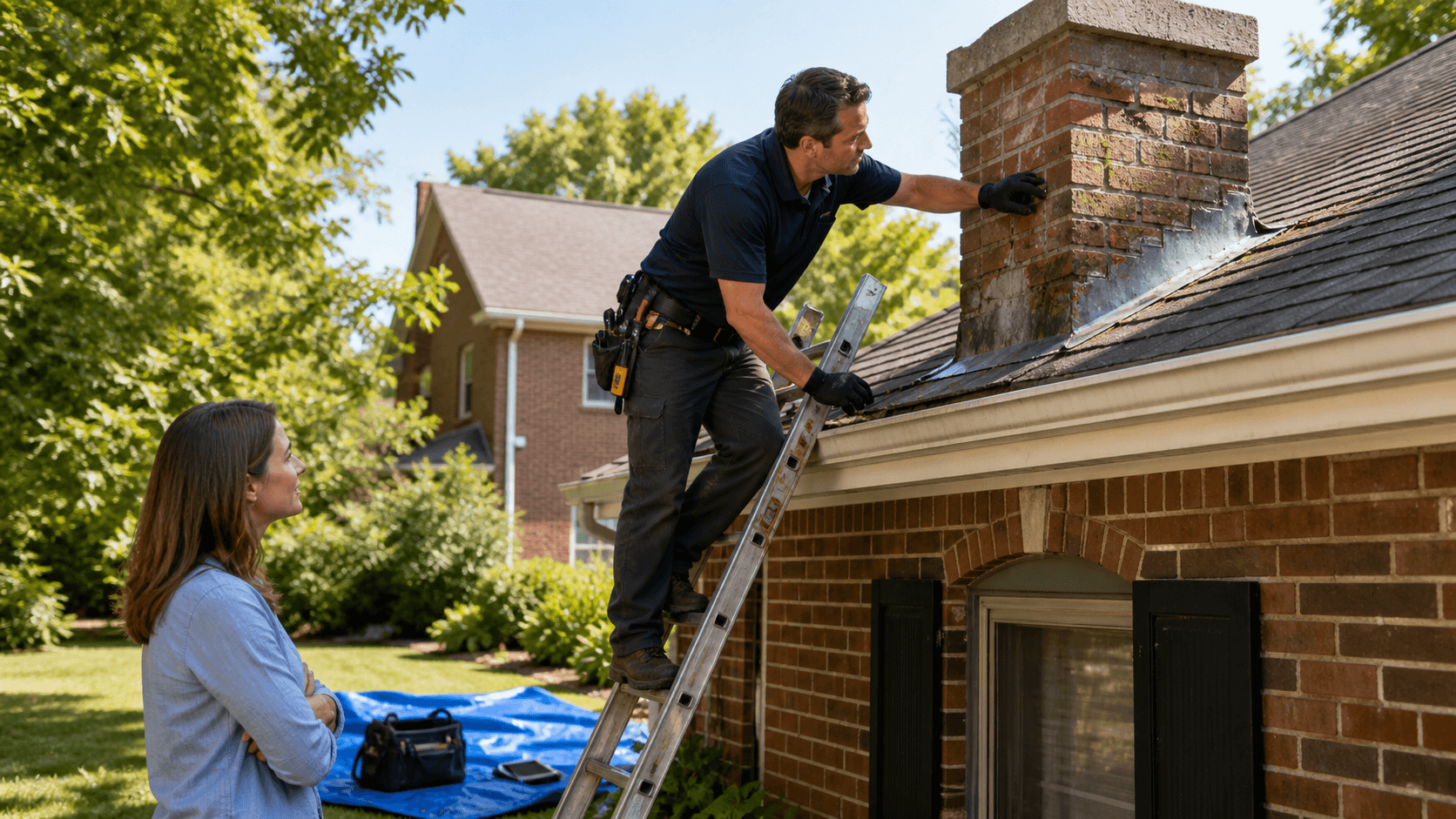
Spring weather also makes problems easier to spot. As temperatures rise and snow and ice are gone, we can see how winter really treated your masonry, metal parts, and roofline. Freeze-thaw cycles are tough on brick, mortar joints, flashing, and crowns. A warm, clear day is perfect for checking for:
- Cracks that opened up in brick or mortar
- Gaps between the chimney and roof flashing
- Early signs of rust on metal parts
- Stains that point to water entry
On top of that, spring and summer often mean more open schedules. With more appointment options, you are not stuck waiting until the first available date in fall. You have time to plan needed sweeping, repairs, or upgrades without feeling rushed or dealing with last-minute stress when temperatures drop again.
Simple Exterior Checks From the Ground
You never need to climb on your roof to get a basic idea of how your chimney is doing. A safe ground check with a pair of binoculars is a smart way to spot obvious issues. Stand back far enough to see the full height of the chimney, and walk around the house if needed to get more than one angle.
From the ground, look for:
- Bricks that look cracked, loose, or missing
- Mortar that is crumbling or washed out between bricks
- A chimney that appears to lean or tilt compared to the house
- Rust streaks running down from metal parts
- A chimney cap that is crooked, missing, or visibly damaged
Our tri-state region gets heavy rain, strong winds, and repeating freeze-thaw cycles. Those conditions can speed up wear on masonry and caps. If you notice any of the signs above, or your chimney simply looks "off" compared to past years, it is a good signal that a professional chimney inspection would be wise.
Checking the Firebox, Damper, and Indoor Signs
You can also do a simple check of the fireplace interior. With the fireplace completely cool, use a flashlight to look all around the firebox. Pay attention to the floor, side walls, and back wall where heat hits hardest.
Watch for:
- Cracked firebrick or metal panels
- Gaps or holes in mortar joints inside the firebox
- Heavy, flaky soot or dark shiny spots of creosote
- Rust or corrosion on metal parts
Next, gently operate the damper. It should open and close smoothly without grinding, sticking, or feeling loose. A damper that will not open fully can cause smoke to spill into the room. One that will not close properly can let outside air in all year, which can affect comfort and energy use.
Strong odors, visible cracks, or loose firebrick are signals that it is time to stop using the fireplace until it has been inspected. These are problems that go beyond a quick touch up and require a trained eye to see how deep the damage goes.
Odors, Smoke Stains, Moisture, and Animal Clues
Your nose and eyes tell you a lot about chimney health. Smoke stains around the fireplace opening, on the mantel, or on nearby walls often point to past draft problems. They may mean smoke has been rolling out into the room instead of rising up the flue the way it should.
Pay attention to:
- Brown or black stains above the firebox opening
- Dark streaks reaching out from the edges of the surround
- Discoloration on ceilings near the chimney path
Odors are another big clue. In spring and summer, the fireplace should be resting, not smelling like a campfire or a damp basement. Musty, sour, or strong wood-smoke smells can all point to moisture issues, leftover creosote, or even animals. Scratching or chirping sounds, twigs, leaves, or droppings in the firebox are common signs that wildlife has moved in.
Jot down what you see, smell, or hear. When a chimney technician arrives, this simple list can help them track down the cause more quickly during a chimney inspection.
Moisture, Wildlife, and When DIY Is Not Enough
Two key parts protect the top of your chimney from water and animals: the chimney cap and the crown. The cap usually includes a metal cover and screening to keep out rain, snow, leaves, and small critters. The crown is the concrete or mortar surface at the very top of the masonry that sheds water away from the flue and brick below.
When these parts are damaged or missing, problems can build up fast:
- Water leaking into the flue and soaking masonry
- Rust on dampers, fireboxes, and other metal components
- Stains on interior walls or ceilings near the chimney
- Loose tiles or damaged liners from repeated moisture exposure
On the animal side, birds, squirrels, and other small animals like to shelter in warm, protected spots as weather changes. Nesting materials and debris can block the flue, which is dangerous when you start a fire again.
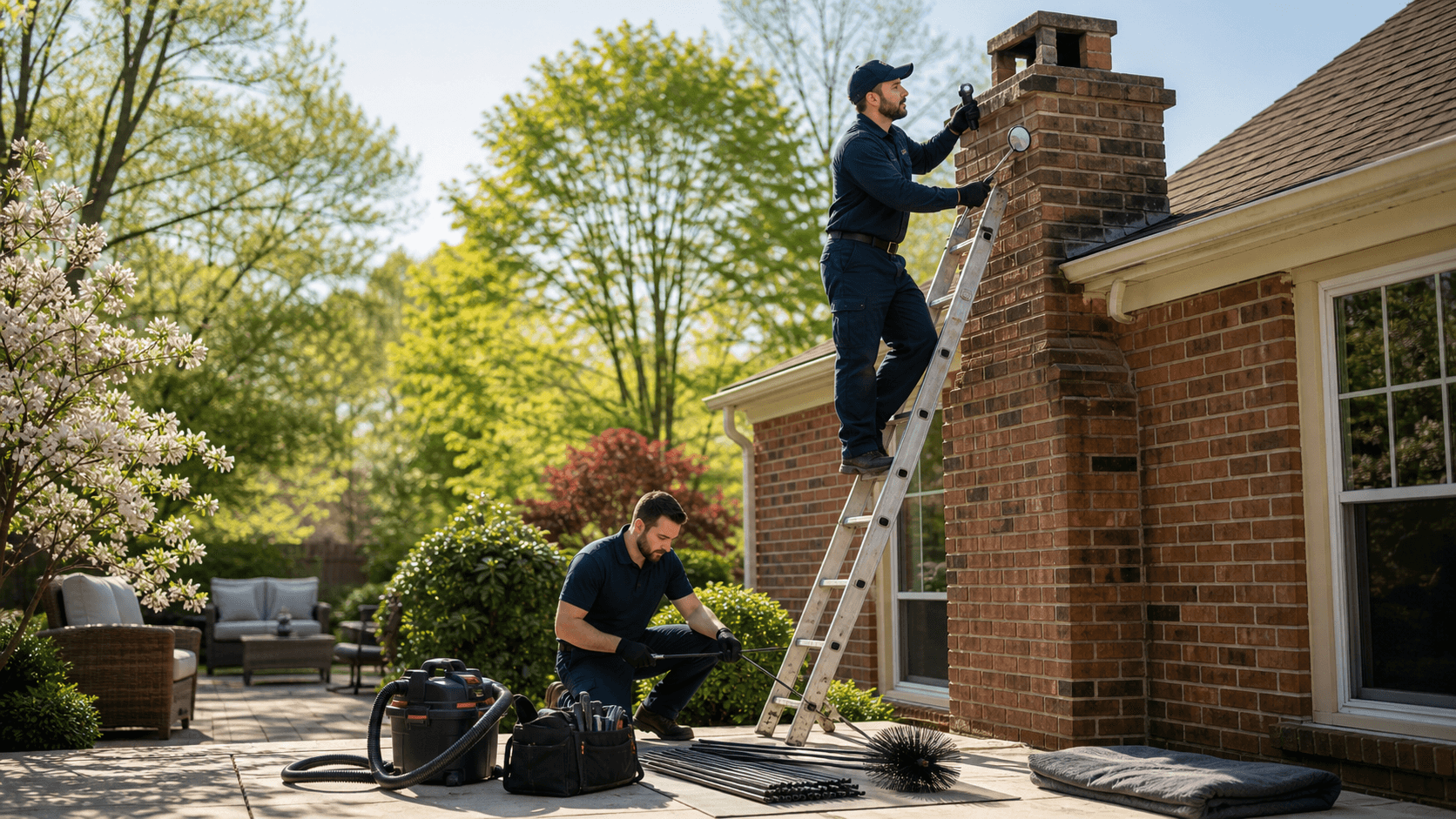
While simple checks are helpful, a homeowner's view is limited. A professional chimney inspection goes far beyond a flashlight and a glance. During a basic Level 1 style inspection, a chimney technician looks at all readily accessible parts of your system, inside and out. In situations such as a home sale, a change to your heating appliance, signs of past fire, or ongoing smoke and draft issues, a more detailed Level 2 style inspection is often needed. That type of inspection includes a closer look at the flue, often using specialized tools and techniques.
Hidden liner cracks, improper clearances to nearby building materials, and unseen blockages are not things you can safely check yourself. Skipping professional inspections can leave you with risks that only show up once damage is already done. A thoughtful spring chimney inspection helps you avoid those surprises and keeps your fireplace system ready for the cooler months ahead.
Protect Your Home With a Professional Chimney Inspection Today
If you have not had a chimney inspection recently, now is the time to make sure your system is safe and working correctly. At Chimney Works, we carefully check for hidden damage, blockages, and potential fire risks before they turn into expensive repairs. Schedule an appointment so we can give you clear recommendations and any needed fixes. If you are ready to get started or have questions, please contact us.