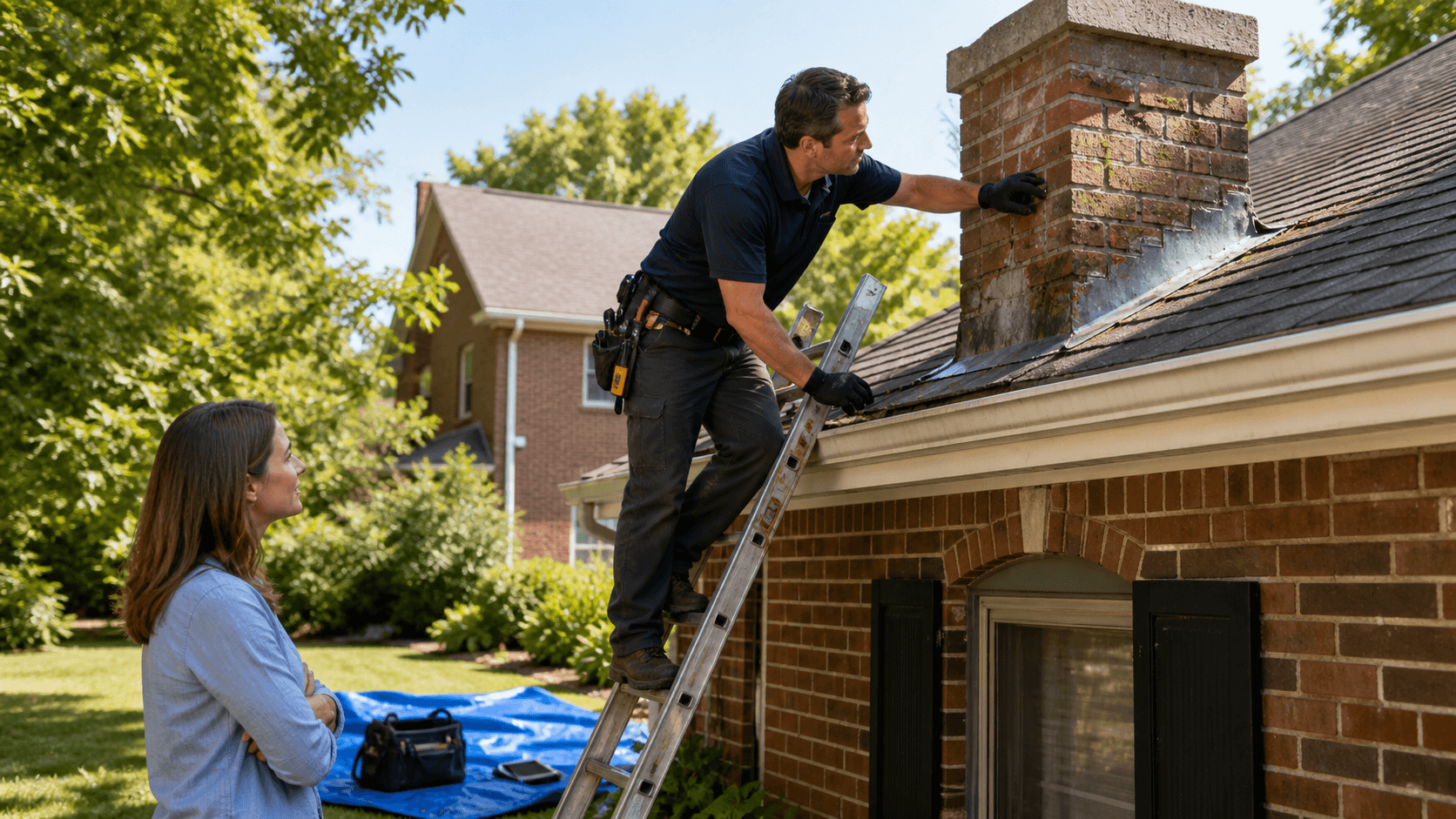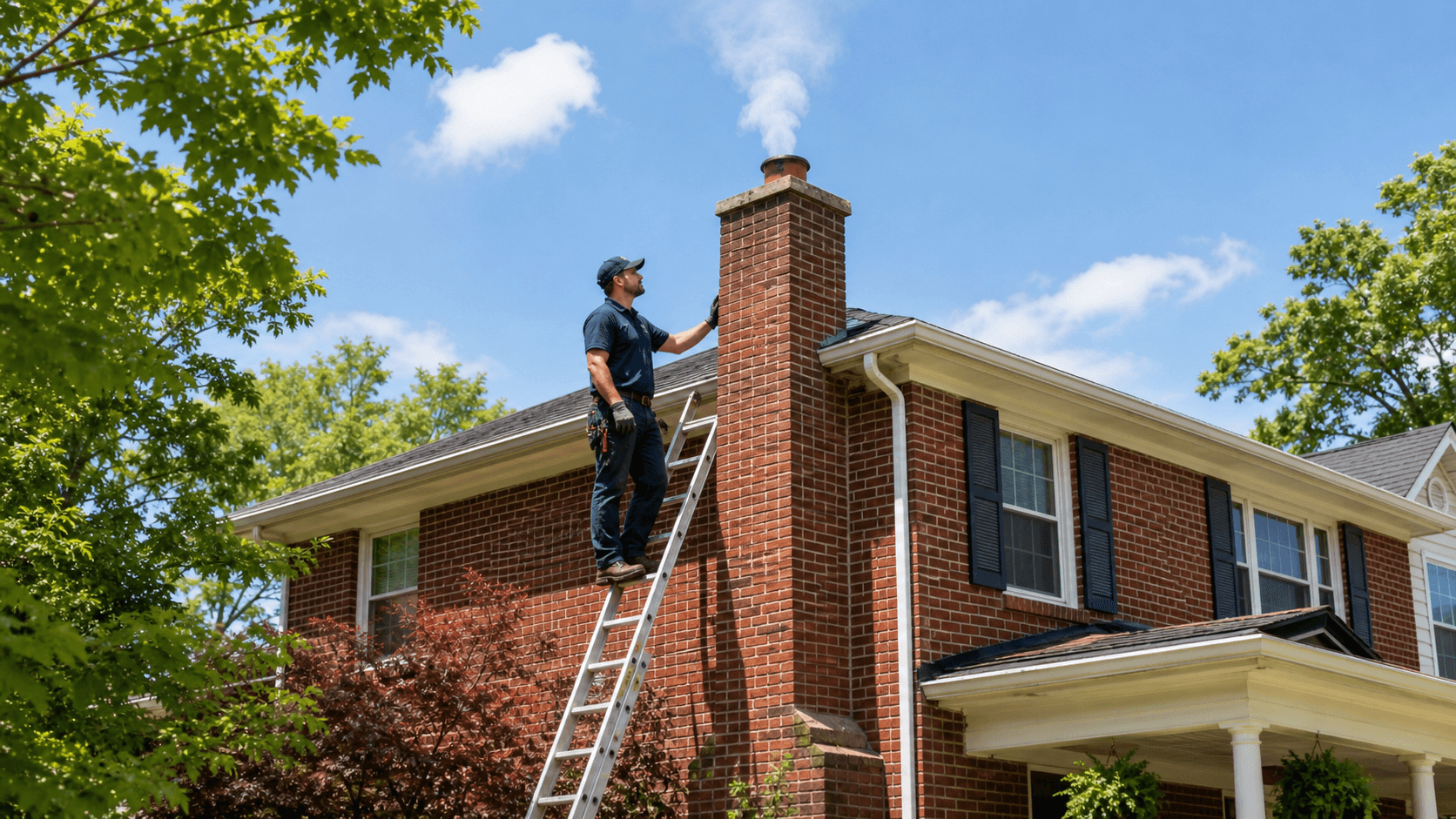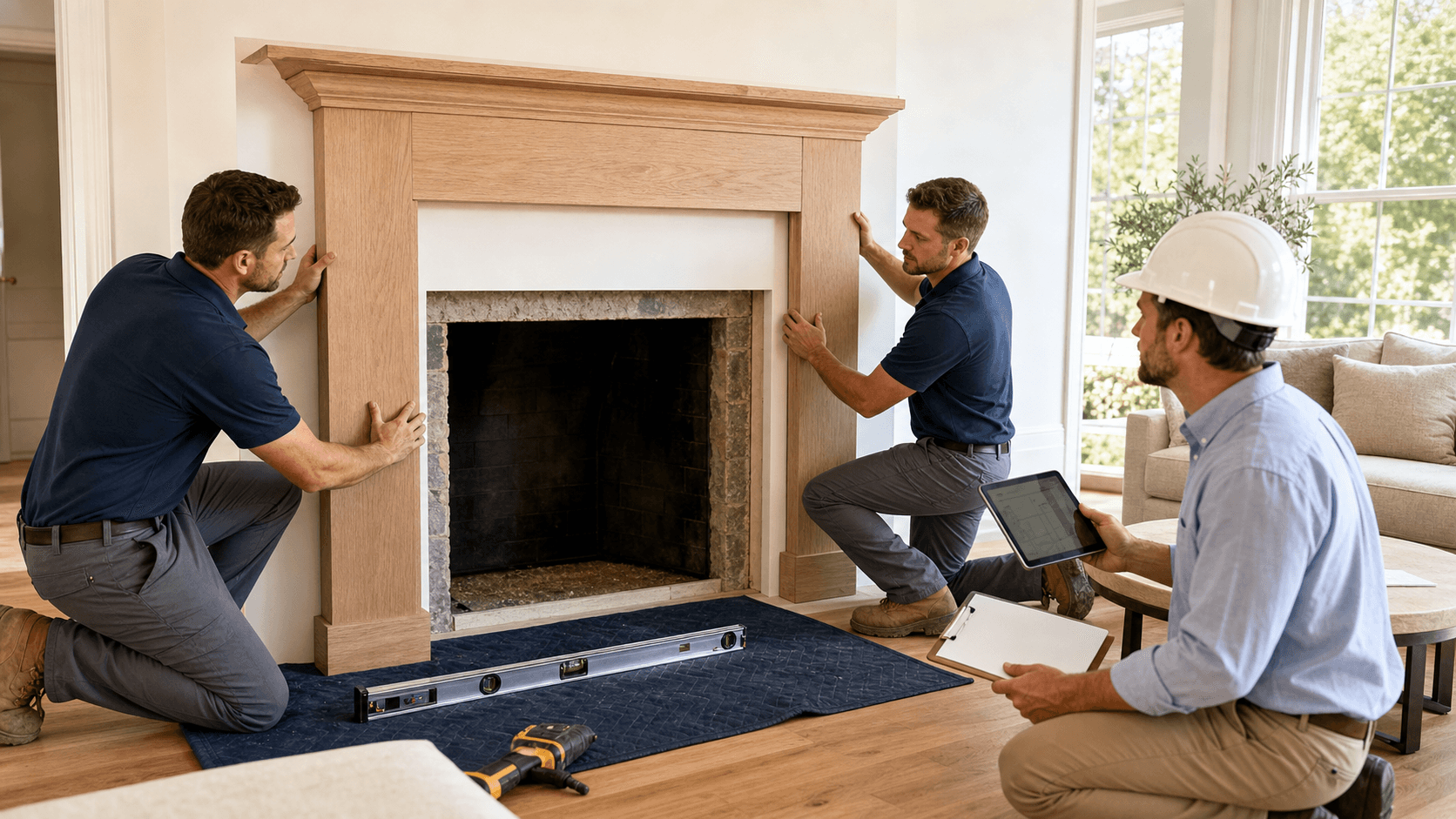
Start Your White Oak Fireplace Project the Right Way
A new fireplace can make your home feel warm, cozy, and more complete. Before any work starts though, permits, codes, and inspections need to be lined up so your new unit is safe, legal, and ready to pass every check. Skipping these steps can put your family at risk, cause problems with insurance, and even hurt your home's value or resale down the road.
White Oak homeowners follow rules based on Hamilton County and the greater Cincinnati area, not the generic advice you might see online. Clearances, venting, gas lines, and inspection steps can all be a little different here. That is why working with certified fireplace installers in White Oak who understand local expectations helps keep your project on schedule and helps it pass the first time.
Permit Basics for New Fireplaces in White Oak
Most new fireplace projects in our area need some type of permit. This is true for both gas and wood units, and for changes to existing fireplaces. Common projects that usually need a permit include:
- Installing a new gas or wood fireplace where there was not one before
- Converting a wood-burning fireplace to gas
- Adding or replacing a direct-vent unit
- Changing how or where the fireplace vents to the outside
Permits usually come through a local building department. Depending on where you live, that could be a Hamilton County office, a Cincinnati-area building department, or your local township office. Homeowners are often asked to provide:
- Basic plans or drawings of the proposed work
- Appliance specifications from the manufacturer
- Information on the installer and any subcontractors
Timelines and fees can vary. During busy months, especially as cooler weather gets closer, permit desks tend to back up. Booking certified fireplace installers in White Oak early gives time to prepare drawings, answer code questions, and respond quickly if the building department asks for changes. This helps avoid last-minute stress when you want the fireplace ready for the first cool nights.
Clearance and Framing Rules That Protect Your Home
One of the main safety ideas around fireplaces is called "clearances to combustibles." In simple terms, this is the minimum distance that must be kept between heat or flame and anything that can burn, such as:
- Drywall and framing lumber
- Wood mantels and trim
- Cabinets and built-ins
- TVs or other electronics mounted above the unit
Each fireplace model has its own manufacturer requirements, and codes add more rules on top of that. Typical details include:
- Minimum side and top clearances from the firebox
- Approved wall materials around the opening
- Hearth extension depth and width, especially with wood units
- Safe mantel and TV mounting heights above the opening
Planning the framing and finish work during summer is smart. It gives time for rough inspections, and it keeps you from rushing trim and TV placement later. When clearances are planned early, inspectors can see that framing, vent runs, and wall finishes all line up with both the code and the appliance manual.
Venting Options, Chimney Codes, and Draft Performance
Venting is what carries smoke and exhaust safely out of your home. Around White Oak and the surrounding area, we commonly see:
- Masonry chimneys: Traditional brick or block chimneys, often on older homes
- Stainless steel liners: Used inside existing chimneys to match modern fireplace or stove needs
- B-vent systems: Double-wall metal vents for certain gas appliances
- Direct-vent systems: Sealed gas units that bring in outside air and vent straight out
Each venting option has pros and cons, especially when comparing older homes to new construction. Code rules cover things like:
- Chimney and vent height above the roof
- How close the termination can be to windows, doors, and decks
- Proper liner sizing for the appliance
- Keeping the right slope, supports, and clearances for metal venting
Certified fireplace installers in White Oak look at more than just the pipe size. They also check draft and combustion air. If the vent is too small, too short, or too close to an opening, you can end up with smoke roll-out, backdrafting, or carbon monoxide risks. Correct vent design from the start is one of the best ways to avoid those problems.
Gas Line, Shutoff, and Combustion Air Requirements
When you add a gas fireplace, the gas line design is just as important as the unit itself. Common gas line basics include:
- Proper pipe sizing for the total length and number of appliances
- Approved materials for indoor and outdoor runs
- Correct gas pressure to match the fireplace rating
- An accessible manual shutoff valve for service and emergencies
Codes also guide where shutoff valves and sediment traps go, how flexible connectors are used, and how leak testing is done. Before a final inspection, all joints should be tested, and the gas line should be ready for the inspector to see.
Combustion air is another key piece for both gas and wood fireplaces. Modern homes are much tighter than older ones, which is good for energy bills but can limit how much fresh air moves in and out. Without enough air, fireplaces can struggle to draft or may pull air from unwanted spots in the home. Planning for combustion air before drywall and finishes go up makes it much easier to pass inspections and enjoy a steady, clean burn.
Inspections, Final Approvals, and What to Verify Before You Book
Most fireplace projects go through several inspection steps. While details can vary by jurisdiction, a typical flow looks like this:
- Rough-in inspection for framing and venting
- Gas line inspection after the line is installed and tested
- Final inspection once the unit, vent, and finishes are complete
Before you book certified fireplace installers in White Oak, it helps to ask a few direct questions. A simple vetting checklist might include:
- Proof of proper business insurance
- Examples of recent fireplace projects in the area
- Training or experience with the fireplace brands you are considering
- Familiarity with local inspectors and building departments
You can also protect your timeline by confirming some basics up front:
- Who is responsible for pulling and closing permits
- A written scope of work that covers framing, venting, and finishing
- Warranty details for both labor and materials
- A general inspection schedule and a realistic target date to be ready for cold weather
Turn Your White Oak Fireplace Plan Into a Safe Reality
Planning your fireplace during the warmer months gives plenty of time to choose the right unit, sort out permits, and line up inspections without rushing. When permits, clearances, venting, and gas lines are all handled with care, you get a fireplace that looks great and works the way it should for years.
Certified fireplace installers in White Oak who understand local codes and inspection habits can make the whole process smoother. At Chimney Works, we help homeowners in White Oak and the greater Cincinnati area with chimney and fireplace projects from start to finish, with a strong focus on safety, code compliance, and long-term performance.
Get Started With Your Project Today
If you are ready to upgrade your hearth with safe, code-compliant work, our team at Chimney Works is here to help. Our Certified fireplace installers in White Oak can assess your space, recommend the right options, and complete your installation with attention to detail. Reach out today and let us walk you through the next steps or schedule an appointment, and if you have specific questions, feel free to contact us.